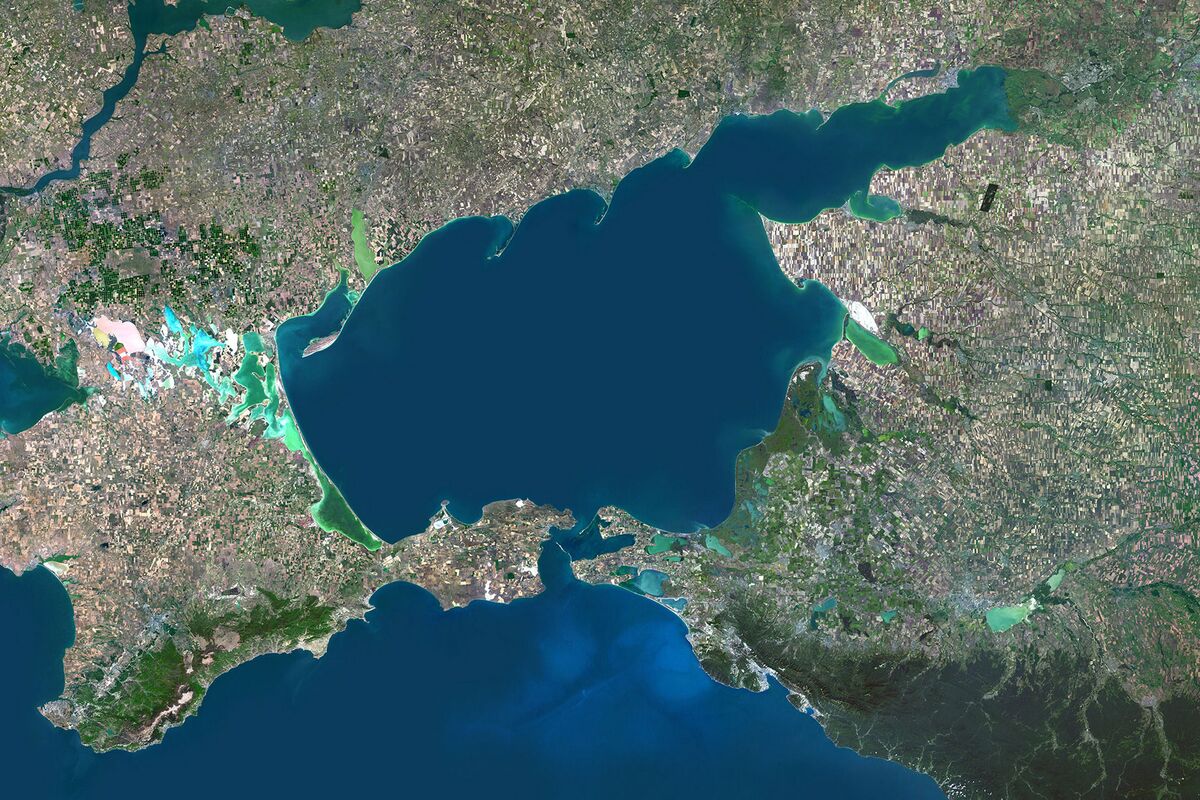
Drone strikes in the Sea of Azov killed 5 Azerbaijani nationals and injured 3 others aboard the cargo vessels Natra and Zirkon. The incident underscores escalating wartime risks to commercial shipping and cross-border safety in the region. Russian authorities said the injured crew members were hospitalized in Yeysk.
This is less a one-off casualty event than a reminder that the Black Sea/Sea of Azov logistics corridor is becoming structurally less reliable for non-military cargo. The second-order effect is not just higher war-risk insurance; it is longer routing, more transshipment friction, and a higher probability that marginal cargoes are rebooked through alternative ports, which tends to favor operators with optionality in the Mediterranean and Gulf rather than assets tied to the Russian export complex. In the near term, the market impact should show up first in freight rates and insurance premia, then in working-capital pressure for shippers with thin balance sheets.
The more important catalyst is escalation in the maritime domain: once commercial vessels are seen as vulnerable, vessel owners and charterers tend to de-risk quickly, and that can create a self-reinforcing liquidity squeeze in local trade lanes. Over days, the trade is about sentiment and risk premia; over months, it becomes a physical-flow story if insurers, traders, and commodity counterparties start refusing exposure. That would be especially punitive for bulk, grain, and industrial cargoes that have few substitutes and low margins, while helping firms with flexible routing, stronger balance sheets, and broader network coverage.
The contrarian angle is that the market may overreact if it assumes this directly impairs global seaborne trade rather than mainly rerouting regional volumes. For most international shipping equities, the fundamental earnings impact is likely modest unless incidents broaden or persist; the real damage is concentrated in niche corridors and in the cost of risk management. So the better expression is not a blanket short shipping basket, but a relative-value trade against names most exposed to Black Sea adjacency and insurance-sensitive cargo mix.
If there is a policy response, it is more likely to come through naval escort, tighter convoying, or routing changes than through rapid de-escalation, which argues for a 1-3 month window where the premium on “optionality” stays elevated. A reversal would require a clear signal that maritime attacks are being contained and that insurers are comfortable restoring capacity; absent that, logistics disruption can persist even without materially broader battlefield escalation.
AI-powered research, real-time alerts, and portfolio analytics for institutional investors.
Request DemoOverall Sentiment
strongly negative
Sentiment Score
-0.85
