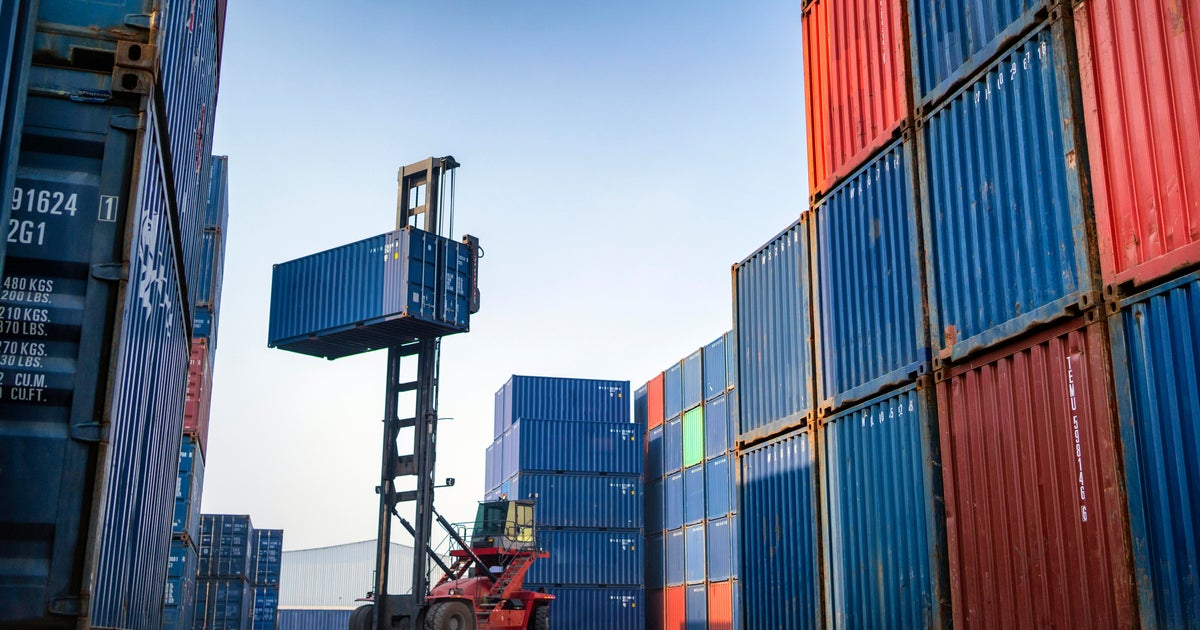
The U.S. Trade Representative opened Section 301 forced-labor investigations into roughly 60 countries, creating a legal route to impose tariffs or import restrictions on major trading partners. This action follows a Supreme Court ruling that invalidated many prior tariffs and the administration's temporary 10% Section 122 tariffs (said to be proposed to rise to 15%), which are limited to 150 days and expire around July. The probes raise the probability of country-specific tariff measures that could materially affect supply chains and trade exposure for firms dealing with China, the EU, Canada, Mexico, Japan, South Korea, Vietnam and others over the coming months.
Policy actions that raise the odds of targeted import restrictions shift incentives from price-driven global sourcing toward resilience and compliance. Expect an acceleration in inventory rebalancing and near-shoring activity over the next 3–12 months as firms hedge policy uncertainty; logistics capacity and customs/compliance services will see immediate revenue upside from rerouting and detention handling, while capital-intensive supply-chain reconfiguration plays out over 1–3 years.
Second-order winners are asset-light logistics brokers and compliance specialists (higher transaction volumes, low capex), plus commodity producers that can capture protected-home-market pricing; losers are thin-margin importers whose cost increases are hard to pass through and multi-national manufacturers with long, sunk overseas inputs. Freight and port congestion will impose direct unit-cost increases — conservatively a 5–15% transitory hit to landed cost for affected supply lines — amplifying margin pressure on retailers and appliance/electronics assemblers.
Key risks and catalysts: legal or legislative pushback, corporate lawsuits, and rapid corporate re-sourcing would mute the policy impact, while any headline shocks or targeted duties could crystallize supply-chain winners in weeks. Monitor container freight indices, customs seizure activity, and detention-day volumes as high-frequency indicators that a tariff or restriction is moving from investigation to enforcement.
The consensus underrates timing risk: most value transfer occurs before permanent reshoring completes. That creates asymmetric, short-duration opportunities to capture policy-driven pricing dislocations in logistics and domestic commodity equities, while using macro FX and selected retail hedges to protect portfolios from sudden margin compression.
AI-powered research, real-time alerts, and portfolio analytics for institutional investors.
Request DemoOverall Sentiment
neutral
Sentiment Score
0.00
