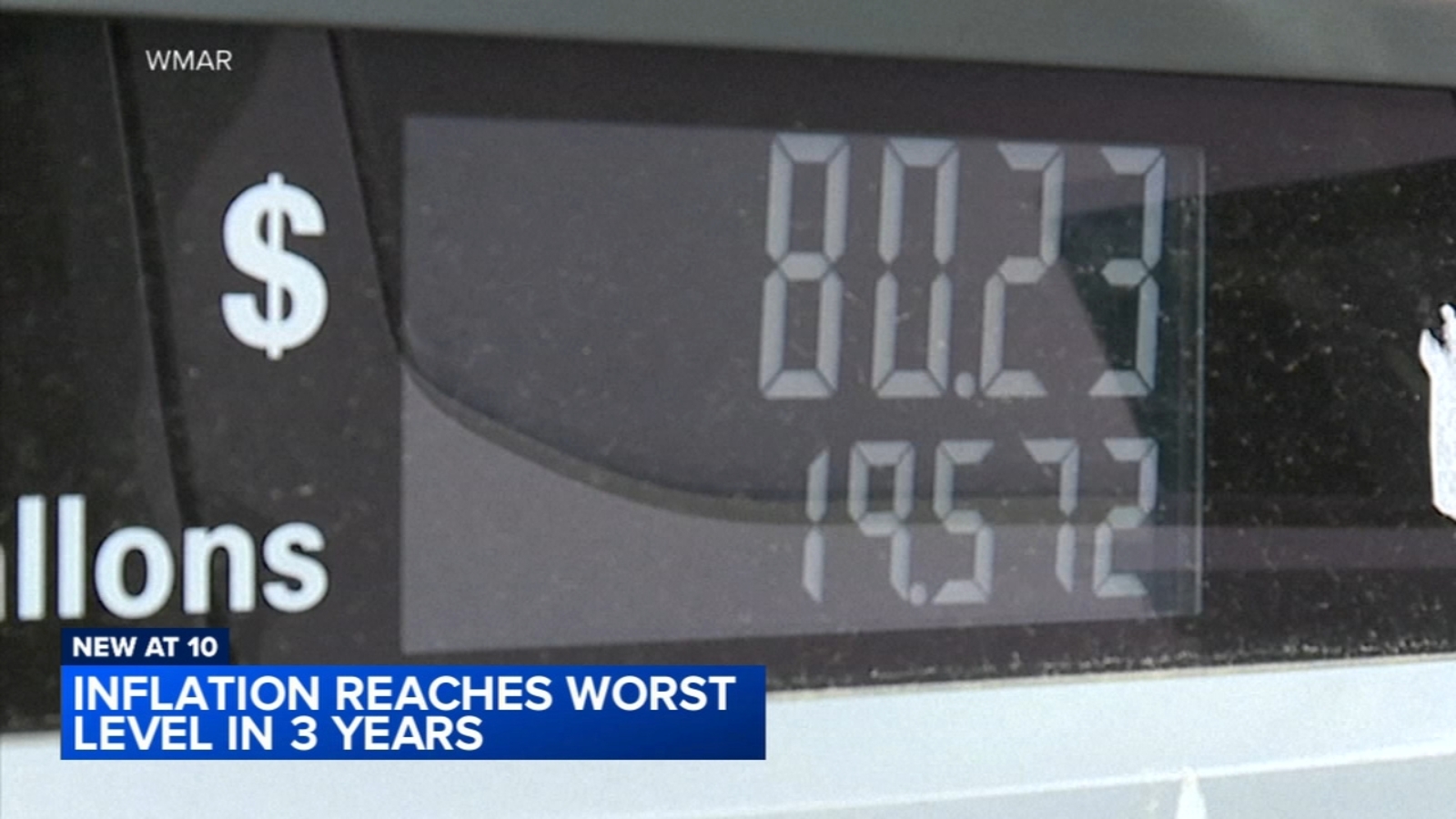
U.S. inflation accelerated to 3.8% year over year in April, up from 3.5% in March, while core inflation rose to 3.3% from 3.2%. Monthly PCE increased 0.4%, and real personal income fell 0.1% while inflation-adjusted spending rose just 0.1%, signaling consumer stress. The report strengthens the case for the Fed to hold rates higher for longer, with gasoline, groceries, electricity, and AI-related equipment costs adding to inflation pressure.
The key market implication is not just “higher inflation,” but a re-pricing of the path of policy volatility: the hurdle for easing has effectively moved from "unlikely cut" to "possible hike if the data re-accelerate." That is bearish duration, but the bigger second-order effect is on equities reliant on low discount rates and abundant liquidity — especially long-duration software, unprofitable AI infrastructure plays, and rate-sensitive small caps. In the near term, the market will likely focus on whether the core monthly print can stay near 0.2%; if it drifts back to 0.3% for another 2-3 months, the Fed’s reaction function becomes overtly hawkish and the curve can re-steepen via front-end selloff rather than recession fears.
Household stress is showing up first in discretionary elasticity, not yet in headline consumption collapse. That means the first losers are lower- to middle-income retail, travel, and consumer finance names with weak pricing power and higher exposure to fuel/utility bills; the second-order beneficiary is private label and value retail, not broad consumer staples. The inflation mix also matters: services and electricity are stickier than gasoline, so even if oil retraces, the market should not assume a clean disinflation impulse; this is a worse backdrop for the Fed than an energy-only shock because it narrows the escape route.
The AI angle is underappreciated: capital intensity is turning from a growth tailwind into an input-cost inflation source via power, hardware, and construction. That is good for regulated utilities and select industrial/electrical infrastructure suppliers, but it pressures the multiple on the broader AI complex if earnings revisions fail to keep pace with capex intensity. On the political side, persistent inflation into the election window raises the probability of fiscal or strategic interventions aimed at visible prices, which can create sharp but temporary relief rallies in energy-sensitive assets.
Contrarian view: consensus may be too quick to assume a straight-line return to the inflation regime of 2023. Some of the current pressure is supply-shock-driven and can fade in 1-2 quarters, so the outright short-duration trade may get crowded and unstable if growth decelerates faster than inflation does. The better expression is relative: own assets with pricing power or explicit inflation pass-through, and fade the most duration-sensitive assets that need rate cuts to justify valuation.
AI-powered research, real-time alerts, and portfolio analytics for institutional investors.
Request DemoOverall Sentiment
strongly negative
Sentiment Score
-0.55
