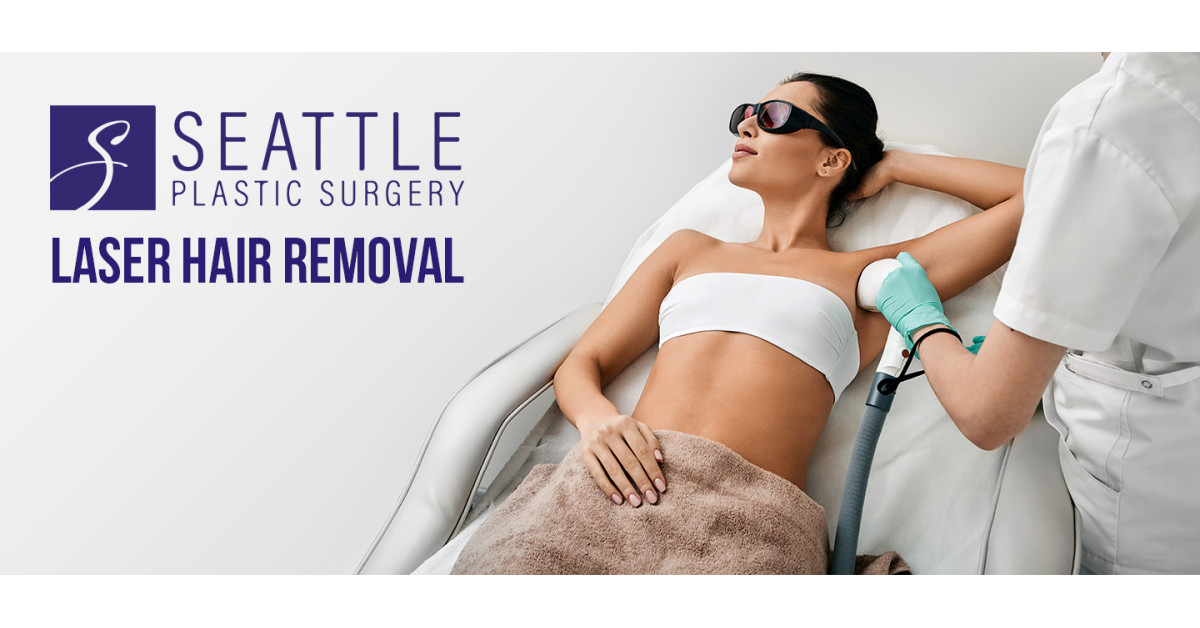
Seattle Plastic Surgery says laser hair removal packages start at $99 for four sessions for small treatment areas, aiming to offer a lower-cost option versus typical per-session pricing. The clinic attributes pricing and outcomes to treatment-area size, number of sessions, and its use of “Painless Diode” medical-grade laser technology with customized plans overseen by board-certified plastic surgeons. Overall, the news is promotional with no broader sector or market implications.
This reads as a micro-level pricing/promotional update, not a thesis-changing industry event. The economic mechanism is simple: lower entry price can help fill appointment capacity, but in aesthetic services the binding constraint is usually clinician time, utilization, and repeat retention rather than top-line demand generation. That means any benefit to PPRG is likely limited to mix and booking rates, with little visibility into EBITDA unless this drives materially higher utilization across underused slots.
The second-order winner, if there is one, is the broader med-spa / device ecosystem: cheaper access can expand the addressable market for cosmetic procedures and support adoption of diode-based platforms, consumables, and adjacent skincare add-ons. The loser is local price-disciplined competitors that rely on premium positioning without obvious differentiation; they may need to match bundle pricing, pressuring gross margin and forcing more spend on customer acquisition. But this is most relevant to private operators and small-cap clinics, not large public healthcare names.
The key risk is over-interpreting a marketing message as structural demand strength. If the package price is introductory, the economic value may depend on conversion to higher-ticket treatments, so the real signal will show up only in repeat visit data and same-location utilization over the next 1-2 quarters. A reversal would come from weaker patient retention, discount-driven low-quality traffic, or evidence that the clinic is trading margin for volume.
Contrarian view: the market should probably ignore this. At the public-equity level, the move is too small to matter unless PPRG is a reporting entity with meaningful aesthetic exposure and disclosed unit economics; otherwise this is more of a local CAC experiment than an investable catalyst. The only actionable angle is to watch whether other med-spa operators follow with similar price resets, which would imply a broader competitive cooling in the category.
AI-powered research, real-time alerts, and portfolio analytics for institutional investors.
Request DemoOverall Sentiment
mildly positive
Sentiment Score
0.12
Ticker Sentiment
