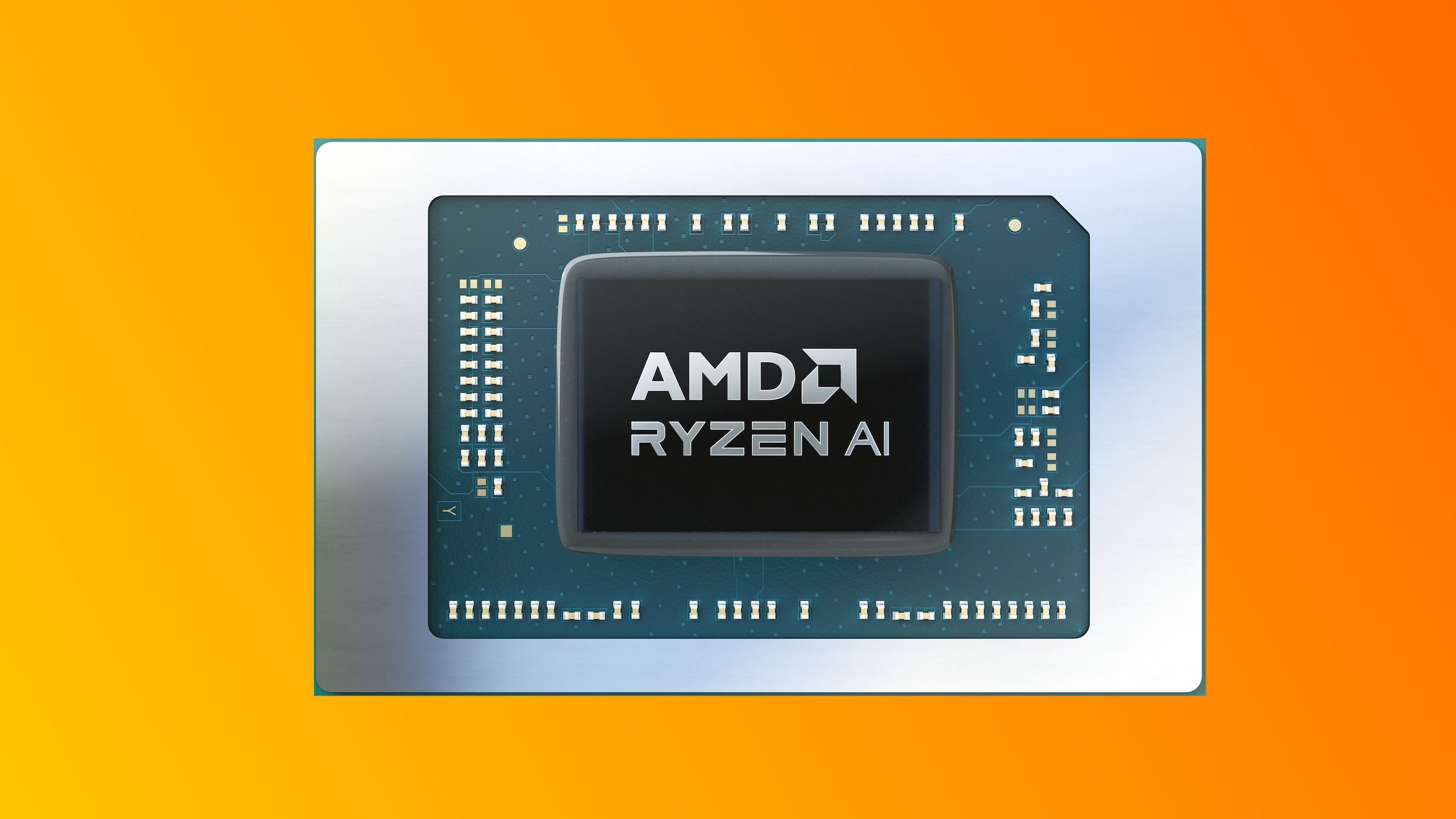
A Geekbench leak shows an AMD engineering sample (OPN 100-000001713-31_N) identified as a Zen 6 'Medusa Point' mobile CPU: 10 cores (10C/20T), ~32 MB L3 reported, and a 28W TDP in an FP10 BGA package; clocks in the benchmark ranged ~1.37–2.00 GHz (early ES). The data suggest a chiplet design with possible big+little core mix (4C+4D + potential LP cores) and positions AMD to compete with Intel's upcoming mobile parts; timing remains uncertain with consumer Zen 6 parts likely after initial EPYC launches and possibly announced at CES. Given the sample nature and low clocks, this is informative but speculative and unlikely to move markets materially beyond modest investor interest in AMD's roadmap.
This leak, if genuine, signals AMD is optimizing product architecture toward a CPU-first mobile tier and SKU modularity — a move that favors OEMs designing thin-and-light and premium CPU-centric laptops while pushing some gaming and graphics-heavy SKUs back toward discrete GPU attach. Expect a modest knock-on increase in discrete GPU attach rates for higher-performance notebooks (we estimate a 3–6% lift in attach for gaming/creator segments over the first 12 months), which benefits NVIDIA and mobile dGPU supply chains more than AMD’s own iGPU revenue in the near term.
The chiplet and FP10/BGA packaging path increases early-cycle execution risk: initial yields and thermal/power binning on 3nm + new packaging will likely constrain volume for 2–6 quarters, creating an ASP premium opportunity if demand is healthy but also inventory and channel volatility. That creates a short window where gross-margin leverage could spike if AMD shortages and OEM feature segmentation allow price uplifts for premium SKUs.
Competitively, Intel’s upcoming Nova Lake and superior integrated graphics roadmap remain the single biggest downside catalyst; Intel can blunt share gains by offering stronger iGPU performance or price/perf in thin designs, forcing AMD either to cut ASPs or accelerate discrete GPU bundles. The server/EPYC rollout this year is a low-risk validation path for Zen 6 microarchitecture — positive early EPYC telemetry would materially derisk consumer expectations and tighten the timeline to OEM adoption.
Primary tail risks are: (1) the leak is misreported (cache/core counts wrong), (2) real-world IPC/clock scaling under thermal constraints disappoints, and (3) OS/scheduler immaturity for heterogeneous core mixes delays performance parity — any of which could reverse sentiment within 1–3 months of public silicon reviews.
AI-powered research, real-time alerts, and portfolio analytics for institutional investors.
Request DemoOverall Sentiment
neutral
Sentiment Score
0.05
Ticker Sentiment
