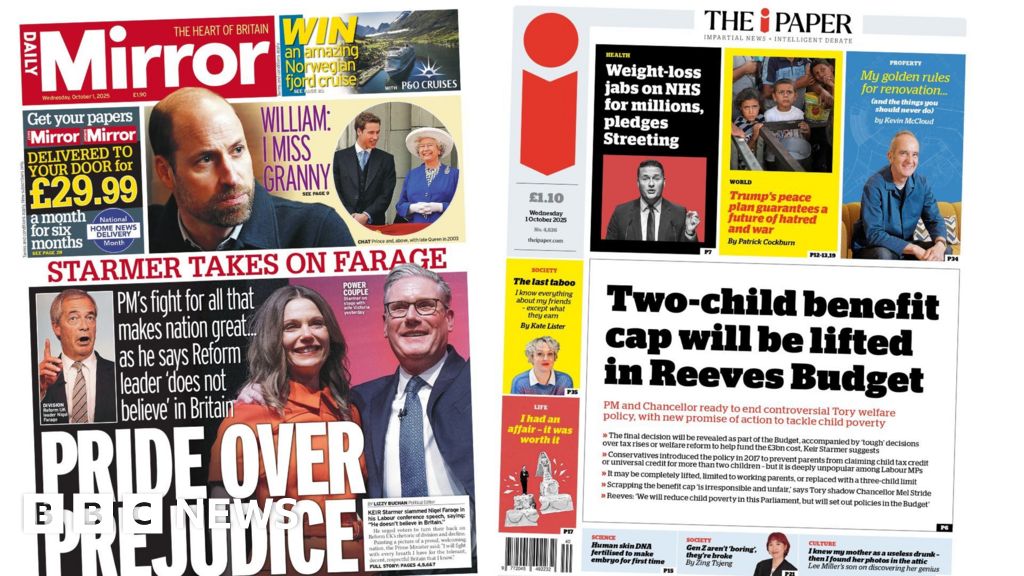
Labour's Shadow Chancellor Rachel Reeves is reportedly considering lifting the two-child benefit cap, a policy change estimated to cost £3bn and expected to be a key fiscal decision in the upcoming autumn budget. Concurrently, Labour leader Sir Keir Starmer's recent conference speech featured aggressive rhetoric against Nigel Farage, a move interpreted as a strategic effort to unite his party and appeal to working-class voters, which has drawn criticism for potentially escalating political tensions.
The UK political and fiscal landscape is signaling a significant shift, introducing new uncertainties for investors. The primary development is the plan by Labour's Shadow Chancellor, Rachel Reeves, to lift the two-child benefit cap, a policy change with an estimated cost of £3 billion. This move points to a notable fiscal loosening and a re-prioritization towards welfare spending, which the reporting suggests will be funded by 'tough decisions' elsewhere in the autumn budget, creating ambiguity around future tax and spending plans. Concurrently, the political environment is becoming more contentious, as evidenced by Labour leader Keir Starmer's 'unusually aggressive' rhetoric against Nigel Farage. While framed as a strategic move to secure a working-class voter base, it has elicited sharply divided media responses and contributes to the 'mildly negative' sentiment and 'uncertain' tone identified in the data. This combination of a concrete, costly fiscal policy change and escalating political polarization elevates the UK's political risk profile ahead of the next budget cycle.
AI-powered research, real-time alerts, and portfolio analytics for institutional investors.
Request DemoOverall Sentiment
mildly negative
Sentiment Score
-0.15
