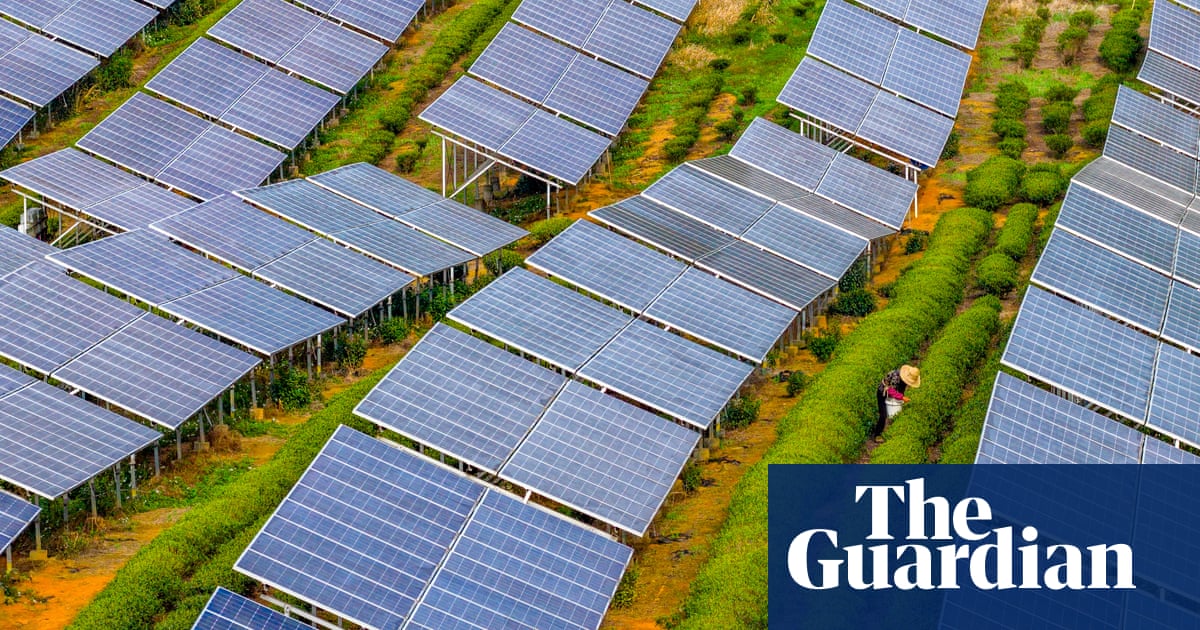
All of last year’s growth in global electricity demand was met by renewables, while fossil fuel power generation was flat and fossil generation fell 0.2%. Solar output rose nearly one-third in 2025, with solar meeting three-quarters of demand growth and wind covering most of the rest; renewables accounted for 34% of global generation versus 33% for coal. The report also points to battery storage and grid modernization as key enablers, reinforcing the structural shift away from fossil fuels despite near-term energy crunches and the current oil crisis.
The important market implication is not that renewables are growing, but that they are now growing fast enough to cap marginal fossil demand in a world where electricity demand is still expanding. That changes the cash-flow regime for power and fuels: thermal generators lose the ability to pass through volume growth, while grid-flexibility assets become the bottleneck with the highest pricing power. The next phase of the trade is less about pure solar exposure and more about the plumbing that lets intermittent power displace dispatchable generation at scale.
Second-order winners are the picks-and-shovels names tied to transmission, grid software, utility-scale storage, and interconnection equipment. Battery economics are now good enough to convert a meaningful slice of midday solar into usable peak-hour supply, which compresses peak power prices and weakens the economics of peaker plants and merchant gas generation over a 12-36 month horizon. That also shifts procurement budgets toward transformers, inverters, switchgear, and EPC capacity, where lead times and regulatory permitting can create margin upside.
The biggest losers are not just coal-heavy utilities but any incumbent whose earnings depend on scarcity pricing in evening peaks or on fuel import dependence. A more subtle loser is LNG infrastructure if electrification of heating/transport accelerates faster than consensus; the market still prices long-duration gas demand too generously given how quickly power-sector displacement can compound. The main reversal risk is political and infrastructural, not technological: grid congestion, permitting delays, and a policy swing toward subsidizing fossil backup could slow the displacement curve for several years even if installed renewables continue to surge.
Contrarianly, the market may be overexposed to the headline solar buildout and underexposed to the fact that the real monetization point is grid modernization. If renewable output keeps outrunning demand, wholesale power prices can weaken in high-penetration regions, which is bad for merchant generators but good for electrification end-users and for utilities with regulated asset bases. The cleaner trade is therefore not a generic long-renewables basket; it is a barbell long infrastructure capex beneficiaries and short legacy dispatchable assets with the weakest balance sheets.
AI-powered research, real-time alerts, and portfolio analytics for institutional investors.
Request DemoOverall Sentiment
strongly positive
Sentiment Score
0.72
