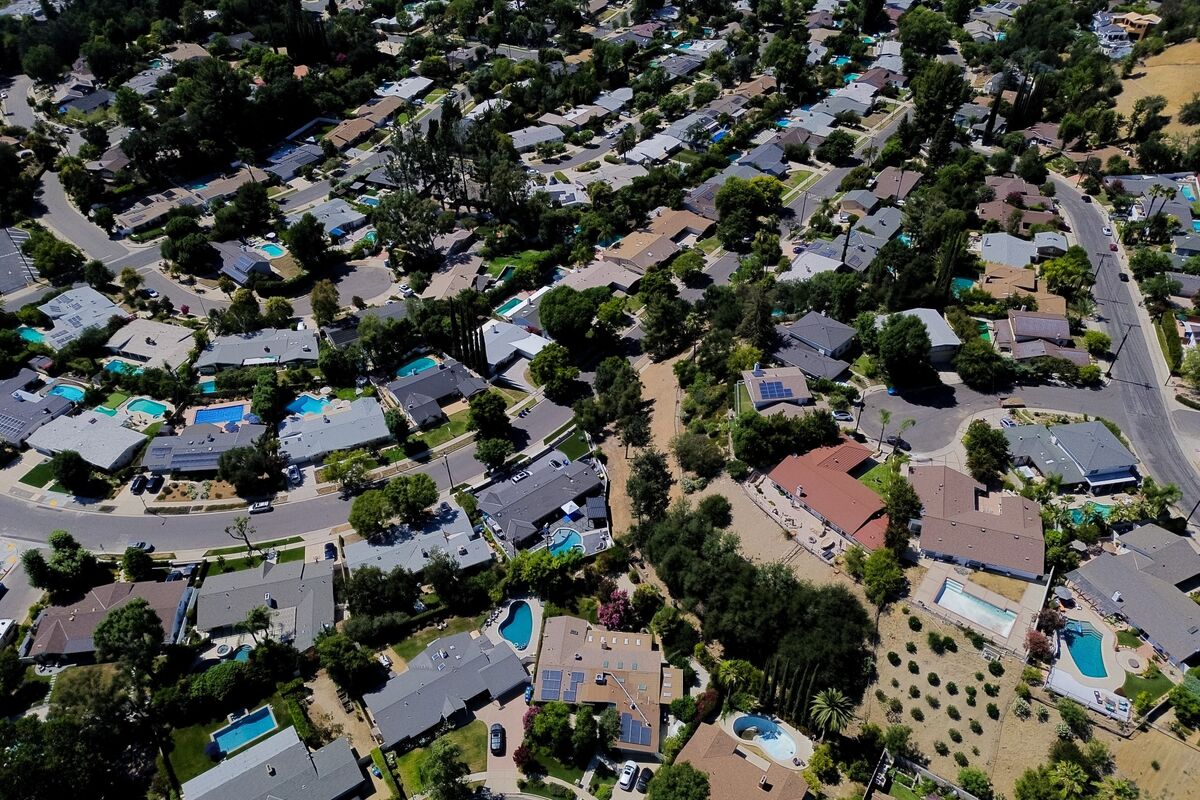
US existing-home sales rose 2% in July to an annualized 4.01 million units, exceeding economist forecasts, driven by a moderation in price growth and slightly lower mortgage rates. This increase signals a stabilization in housing demand, potentially indicating a nascent recovery in the resale market.
US existing-home sales in July demonstrated unexpected resilience, rising 2% to a 4.01 million annualized rate and surpassing the consensus forecast of 3.92 million. This modest increase is attributed to a confluence of factors, namely a deceleration in home price appreciation and a concurrent dip in mortgage rates, which collectively enhanced affordability and helped stabilize demand. The data suggests the housing resale market may be finding a floor after a prolonged period of weakness. As a key interest-rate-sensitive sector, this stabilization provides a moderately positive signal for the broader economy, indicating that demand can recover even in a high-rate environment if other conditions like price growth moderate.
AI-powered research, real-time alerts, and portfolio analytics for institutional investors.
Request DemoOverall Sentiment
moderately positive
Sentiment Score
0.55
