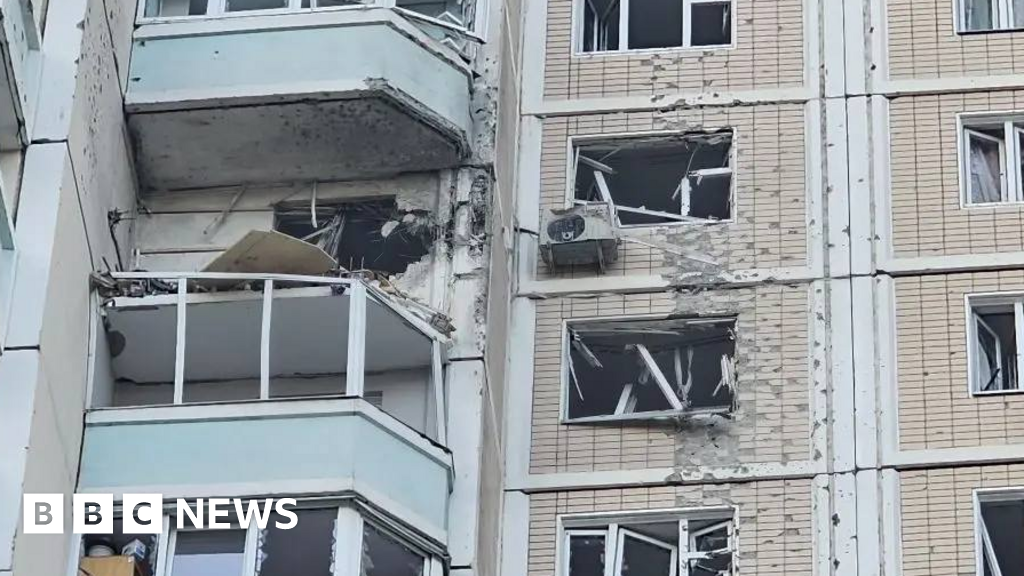
A large-scale overnight drone exchange between Russia and Ukraine killed at least three people in the Moscow region and injured dozens more, including 12 at a Moscow oil refinery and eight in Ukraine's Dnipropetrovsk region. Russia said it intercepted 556 drones, while Ukraine said 279 drones were shot down or intercepted out of 287 launched since late Saturday. The attacks damaged houses, caused fires, and briefly affected Sheremetyevo airport operations, underscoring continued escalation and risk to energy and transport infrastructure.
The immediate market read is not “Ukraine hits Moscow,” but that both sides are demonstrating a widening ability to inflict persistent nuisance damage on critical infrastructure rather than achieve battlefield breakthrough. That shifts the conflict’s economic transmission channel from front-line attrition to logistics friction: higher air-defense spend, more downtime at energy assets, more insurance friction for civil aviation and freight, and a higher probability of intermittent fuel/transport bottlenecks inside Russia. The second-order effect is that Russia’s domestic resilience premium rises while its operating efficiency falls, which is inflationary for its own economy and mildly supportive for global refined product margins if disruptions persist.
The more important price signal is in energy and transport risk premia, not crude outright on day one. Drone pressure on refinery nodes tends to matter first in diesel, jet fuel, and regional product spreads before it shows up in headline Brent; that creates a narrower, tradable dislocation if strikes remain concentrated on processing and logistics instead of upstream supply. If the campaign broadens over weeks, expect Russia to protect export barrels at the expense of domestic demand, which would keep seaborne crude available while worsening local product shortages—bullish for refinery cracks ex-Russia, less so for benchmark crude.
For equities, this is structurally positive for defense ISR, air-defense, EW, and counter-UAS supply chains, with a lagged benefit to Western primes and select component suppliers as governments replenish interceptors and sensor inventories. The bigger overlooked beneficiary is anyone exposed to hardened infrastructure, airport security, and industrial fire-suppression systems, because repeated drone incidents force capex upgrades across civil and energy assets. The main contrarian risk is escalation fatigue: if attacks keep missing economically decisive targets, markets may fade the geopolitical headline and reprice only the incremental defense spending, not a broader war premium.
Catalyst-wise, watch for evidence of sustained damage to Russian refining utilization or airport closure frequency over the next 2-6 weeks; that would validate a tighter product market and more persistent risk-off tone in regional transportation names. A de-escalation channel would be any shift toward higher interception rates with limited direct hits, which would cap the energy and logistics impact even if headline attack counts remain high.
AI-powered research, real-time alerts, and portfolio analytics for institutional investors.
Request DemoOverall Sentiment
strongly negative
Sentiment Score
-0.75
