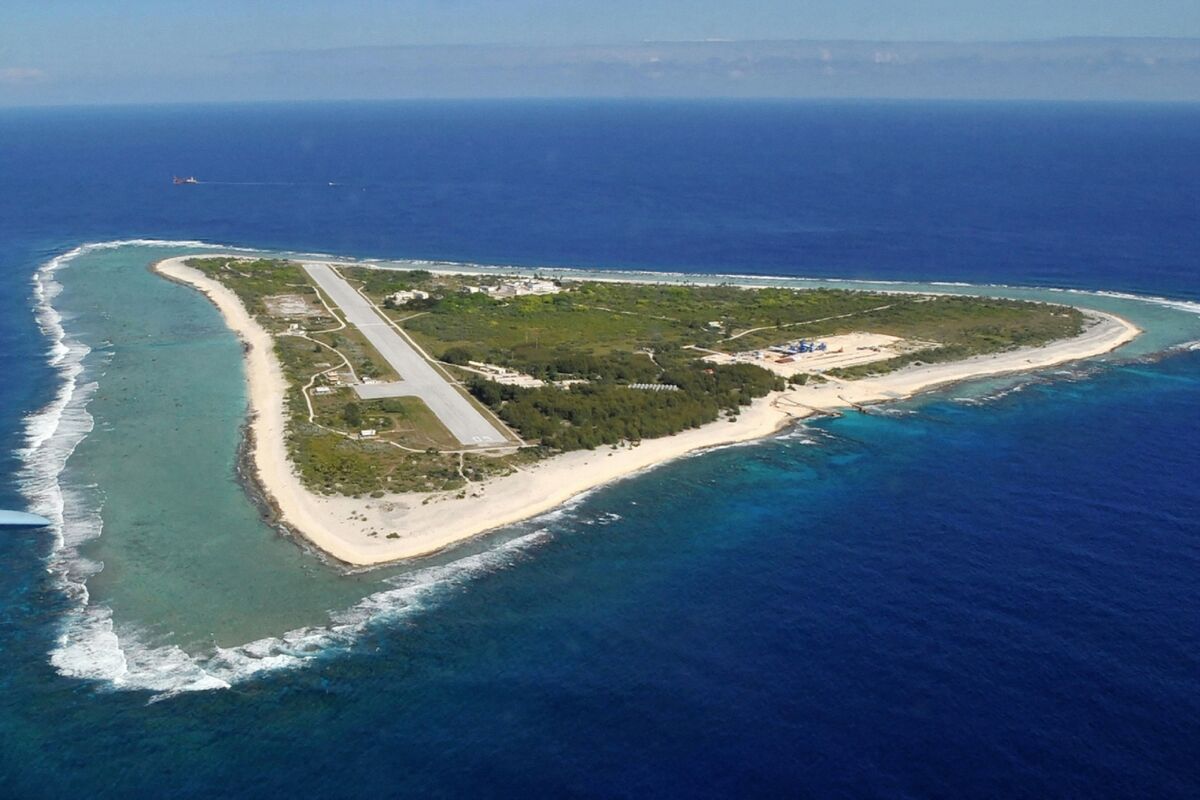
The article is a general media preview of multiple stories (rare-earth deposits on Minamitorishima, and how inflation is affecting different groups), but it provides no specific figures, policy changes, company actions, or market-moving developments. As presented, there is no measurable financial impact or quantifiable catalyst for markets.
This should be treated as strategic-option value, not a near-term earnings story. Rare-earth headlines only become tradable when they convert into verified reserve quality, permitting, and a processing chain; absent that, the asset remains a policy narrative rather than a cash-flow driver. The real second-order winners would be Japanese magnet, motor, and defense suppliers only if the state subsidizes downstream separation capacity, because the bottleneck is usually refining, not ore availability.
Over the next 1-3 months, the catalyst path is official assay data, METI budget language, or a JV that signals monetization. If none of those appear, the market should fade the excitement as a low-probability domestic-security project with long lead times and no impact on inflation. Over 6-18 months, even a positive outcome would likely reduce Japan’s strategic vulnerability more than it changes global rare-earth pricing, because China can still influence price through processing and quota leverage.
The contrarian risk is that investors may overvalue the headline and underestimate logistics and capex. Deep-water or remote extraction economics could make this uneconomic at current REE prices, turning the story into a national-security subsidy rather than a commodity supply shock. Falsifiers are simple: no government funding, no third-party reserve confirmation, or project timelines slipping beyond 12-18 months.
AI-powered research, real-time alerts, and portfolio analytics for institutional investors.
Request DemoOverall Sentiment
neutral
Sentiment Score
0.00
Ticker Sentiment
