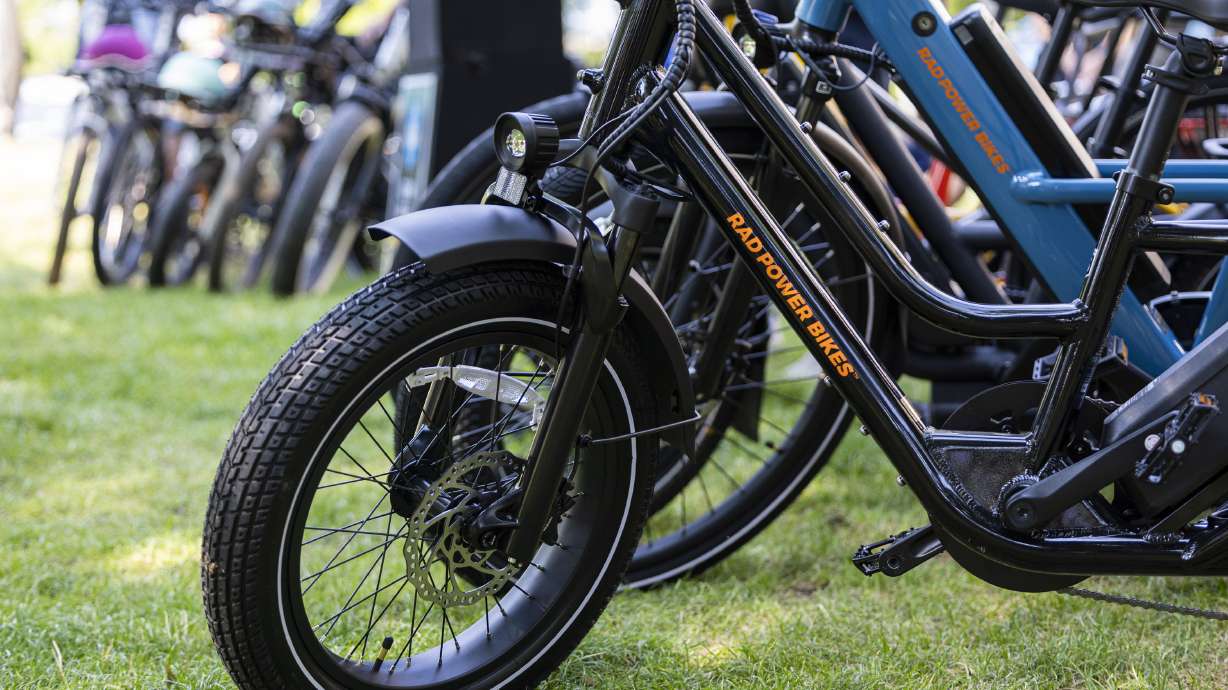
The U.S. Consumer Product Safety Commission has warned consumers to stop using Rad Power Bikes' lithium‑ion batteries (models RP-1304 and HL-RP-S1304) after 31 reported fires — including 12 incidents that caused a combined $734,500 in damage — and says the company has refused an acceptable recall. Affected e-bike models include RadWagon 4, RadCity HS 4, RadRover High Step 5 and several RadRunner and RadCity variants; replacement batteries retail at about $550 while bikes sell for $1,500–$2,000. Rad Power Bikes disputes the CPSC action, noting it has sold over 100,000 batteries, cites third‑party retesting that it says confirmed compliance, and has offered upgrade options, but the alert raises regulatory, reputational and potential financial exposure for the company.
Market structure: Winners are aftermarket battery suppliers, third-party safety-test labs, and manufacturers with LFP chemistry (lower thermal runaway risk); losers are Rad Power (private) for reputational/legal hits and retail channels (Best Buy - BBY) with direct sales exposure. With ~100,000 batteries sold and 31 incidents (~0.031%), worst-case full-replacement at $550 each implies ~$55m direct hardware cost; a forced recall or settlements could multiply that through legal/insurance channels and depress margins 3–10% for the vendor over 1–2 quarters.
Risk assessment: Near-term (days) is reputational/returns shock and elevated implied volatility for BBY; short-term (weeks–months) risk includes CPSC escalation to mandatory recall, class-action suits, and inventory pull resulting in 1–5% hit to retail revenues in affected categories. Long-term (quarters–years) a regulatory push toward safer chemistries (LFP) and higher warranty reserves could structurally shift pricing power to battery suppliers and raise aggregate replacement/insurance costs. Hidden dependencies: warranty reserve adequacy, insurer subrogation, and supplier lead times for replacement batteries.
Trade implications: Tactical trades: hedge retail exposure via short-dated puts on BBY or reduce BBY weight 1–2%; take 6–12 month long exposure (1–2% portfolio) to LFP/safer-cell producers (e.g., BYDDY/CATL ADRs) as insurance. Use put spreads on BBY (buy 3‑month 5% OTM put, sell 15% OTM put) to cap cost; consider short ALB (lithium) 0.5–1% if regulatory momentum to LFP solidifies in 3–6 months.
Contrarian angle: The market may overstate retail contagion — 31 incidents is small vs installed base, so a >5% durable share-price decline for BBY would be an asymmetric buying opportunity given diversified revenue mix. Historical parallel: 2015 hoverboard recalls caused short-term retailer pain but market recovery within 3–6 months; unintended consequence: a heavy-handed recall could accelerate LFP adoption and structurally lower lithium prices, creating a 12–24 month reallocation risk for lithium miners.
AI-powered research, real-time alerts, and portfolio analytics for institutional investors.
Request DemoOverall Sentiment
moderately negative
Sentiment Score
-0.45
Ticker Sentiment
