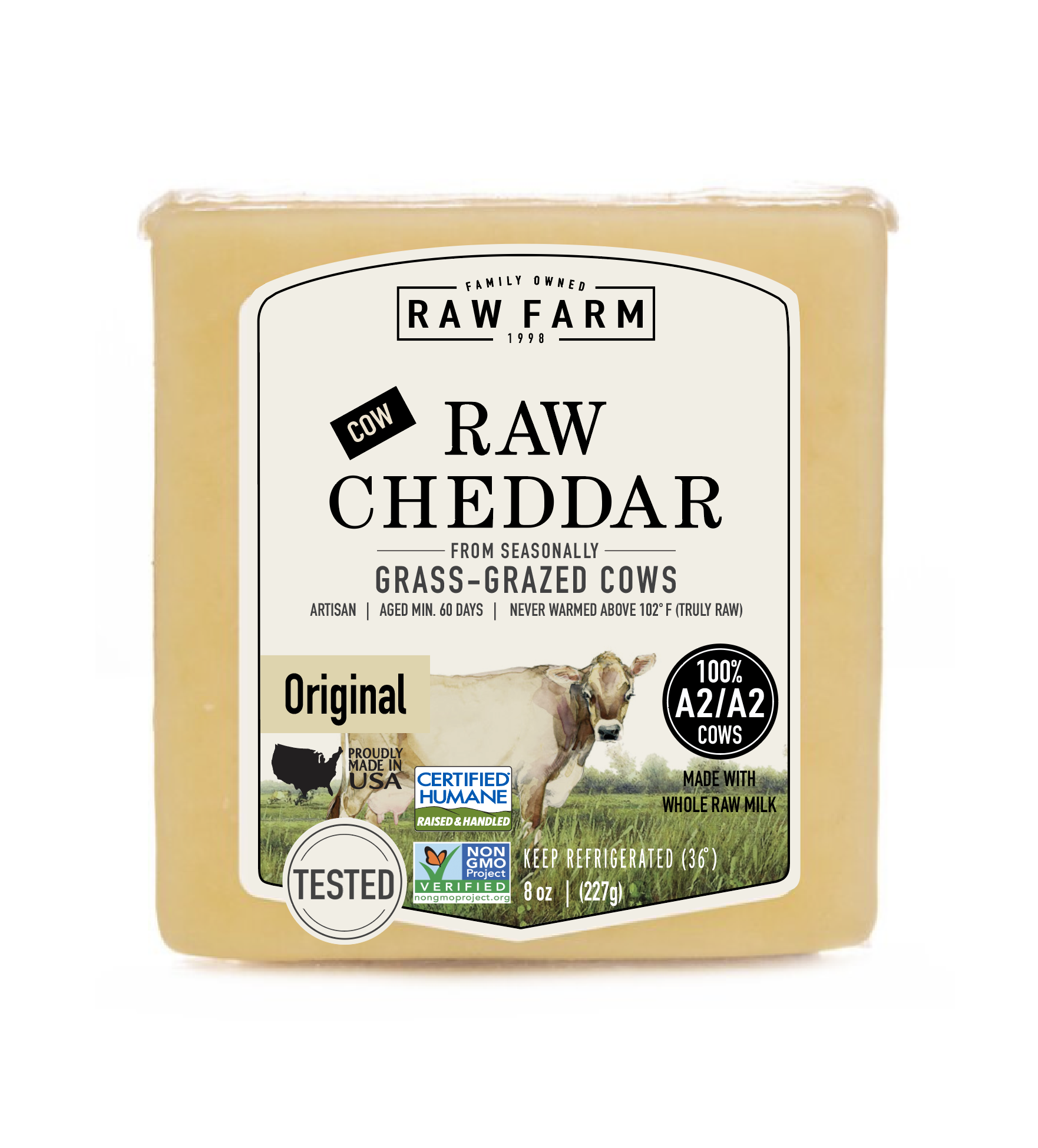
Seven confirmed E. coli illnesses have been linked to raw cheddar cheese sold by Raw Farm, LLC, with over half of cases in children under age 5; CDC, FDA and state public health officials are investigating across three states. Officials advise consumers not to eat the affected cheeses while the probe continues; recent and total case counts are likely underreported due to a 3–4 week confirmation lag and cases that resolve without testing.
Immediate beneficiaries are firms that sell scale, traceability and lab-based assurances: food-safety testing vendors and large branded pasteurized producers will see asymmetric demand for diagnostics and third-party audits. Expect a visible step-up in purchases of rapid-pathogen assays and contract testing services over the next 1–6 months as retailers tighten inbound inspection protocols, favoring vendors with integrated hardware+reagent models that convert one-time audit spend into recurring revenue.
Distribution and small-batch producers are the obvious near-term losers: increased audit costs, higher insurance premiums, and tightened buyer lists will compress margins for artisanal dairies and regional distributors over the next 3–12 months. This creates a bifurcation where national brands and big-box retailers capture share at the expense of specialty players, and also raises the probability of M&A activity among distressed regional suppliers in the 12–24 month window.
Key tail risks to watch: recall expansion or identification of a broader upstream milk supplier within days–weeks would materially increase regulatory scrutiny and litigation exposure, while a quieting of new cases for 4–6 weeks is the most likely trigger for market complacency. Regulatory change (state-level raw milk/cheese rules or mandatory traceability standards) is a medium-term catalyst (3–9 months) that would structurally benefit testing and compliance vendors and penalize non-compliant small producers.
The consensus behavioral reaction—broad aversion to all specialty cheese—will likely overshoot. Historically, consumer avoidance of a category driven by single-source contamination reverts within 6–8 weeks absent additional incidents; this cyclical fear creates targeted, time-bound trading windows rather than permanent demand reallocation.
AI-powered research, real-time alerts, and portfolio analytics for institutional investors.
Request DemoOverall Sentiment
mildly negative
Sentiment Score
-0.25
