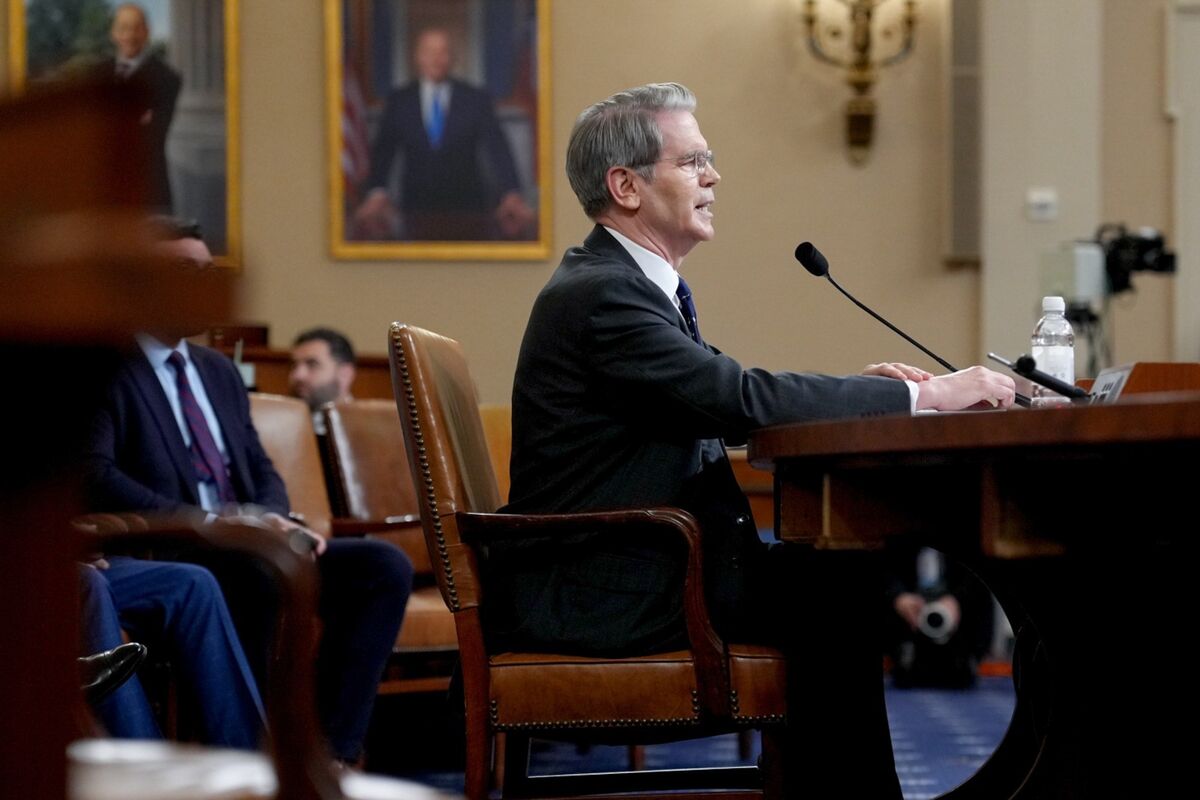
The Treasury Department has reached an agreement with G-7 allies to exempt U.S. companies from certain foreign taxes, including OECD Pillar 2 taxes, in exchange for the removal of the proposed Section 899 'revenge tax' from President Trump's tax bill. This deal, confirmed by Treasury Secretary Scott Bessent, eliminates a significant tax concern for Wall Street and establishes a framework for cooperative international tax policy, benefiting U.S. multinational corporations.
The U.S. Treasury Department has secured a critical international tax agreement with G-7 allies, removing a significant source of uncertainty for U.S. multinational corporations. By agreeing to remove the proposed Section 899 “revenge tax,” the U.S. has, in return, obtained an exemption for its companies from certain foreign taxes, most notably the OECD Pillar 2 taxes. This development directly addresses the concerns that had previously "spooked Wall Street," mitigating the risk of punitive or double-taxation scenarios and fostering a more predictable global tax environment. The commitment from Treasury Secretary Scott Bessent to implement the deal cooperatively within the OECD-G20 framework signals a strategic shift toward multilateral tax policy, a clear positive for firms with extensive international operations and a key driver of the "strongly positive" sentiment and notable market impact score.
AI-powered research, real-time alerts, and portfolio analytics for institutional investors.
Request DemoOverall Sentiment
strongly positive
Sentiment Score
0.75
