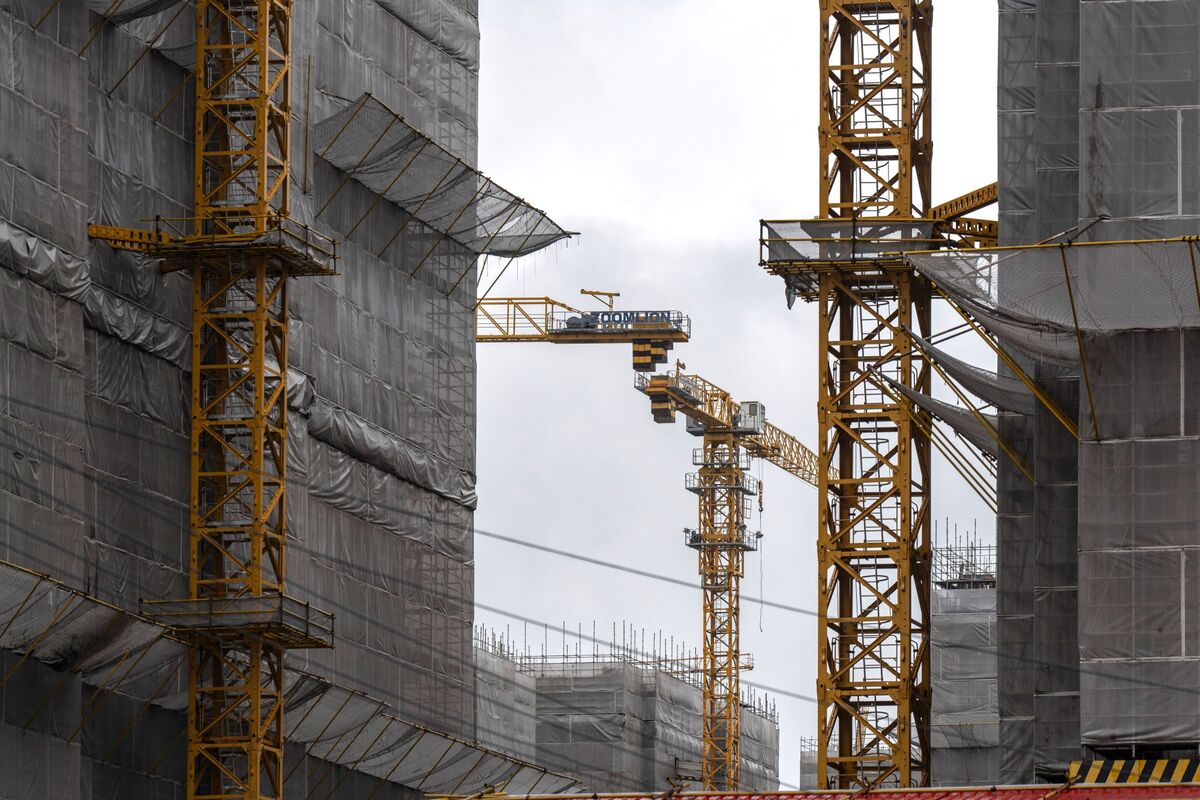
Hong Kong-based private equity firm Gaw Capital Partners secured a last-minute extension on a property-backed loan tied to a life-science park in Shanghai, with lenders granting an extra 18 months to repay and an additional automatic 18-month extension contingent on conditions. Because of pending regulatory approval the immediate relief will be structured as a one-year reprieve, underscoring continued strain from China’s property crisis and the willingness of lenders to negotiate near-term forbearance rather than force immediate default.
Market structure: Lenders and sponsor-side stakeholders win short-term by avoiding immediate defaults; junior creditors, unsecured bondholders and levered CRE funds are the primary losers as value is deferred not resolved. Pricing power shifts to secured lenders who can dictate extensions and covenants, reducing forced-sale liquidity now but preserving a multi-quarter supply overhang in Shanghai life-science/Lab office markets. Cross-asset: expect onshore/offshore China HY spreads to trade 100–300bps wider on headline stress, modest CNH weakness (1–3%) in risk-off, and elevated demand for USD safe-havens; commodity impact is negligible.
Risk assessment: Tail risk is a regulatory denial or local-government withdrawal of support that forces immediate restructuring and triggers 30–50% markdowns in affected CRE collateral and 300–600bps spread shocks for China HY. Short-term (days–weeks) volatility will center on credit spread moves and news-flow; medium-term (3–12 months) the key risk is clustered maturities and covenant resets; long-term (12–36 months) is structural repricing of China CRE yields +200–400bps. Hidden dependencies include lender balance-sheet capacity, onshore regulatory forbearance, and lab-tenant cashflow stability; automatic extension clauses are binary catalysts within 30–90 days.
Trade implications: Implement asymmetric trades: defensive long exposure to global lab-equipment/consumables names benefiting if life-science parks remain intact, and targeted shorts in China developers/CRE credits that retain weak liquidity and refinancing risk. Use options and tail hedges (3-month puts on Hong Kong/EWH) to control downside while keeping directional shorts with 10–15% stops and 20–40% profit targets over 3–12 months. Rotate 5–10% portfolio weight out of China CRE credit into USD T-bills/IG Asian sovereigns while monitoring regulatory actions.
Contrarian view: Consensus underestimates the cumulative damage of “rolling” forbearance — it reduces near-term fire-sales but increases the chance of a larger, concentrated restructuring 6–18 months out. Historical parallel: 2008–09 CRE forbearance compressed short-term defaults then produced deeper downgrades after maturities clustered; expect similar staging. Therefore prefer staged builds of shorts with event triggers (30/90/180 days) rather than all-in early bets.
AI-powered research, real-time alerts, and portfolio analytics for institutional investors.
Request DemoOverall Sentiment
mildly negative
Sentiment Score
-0.25
