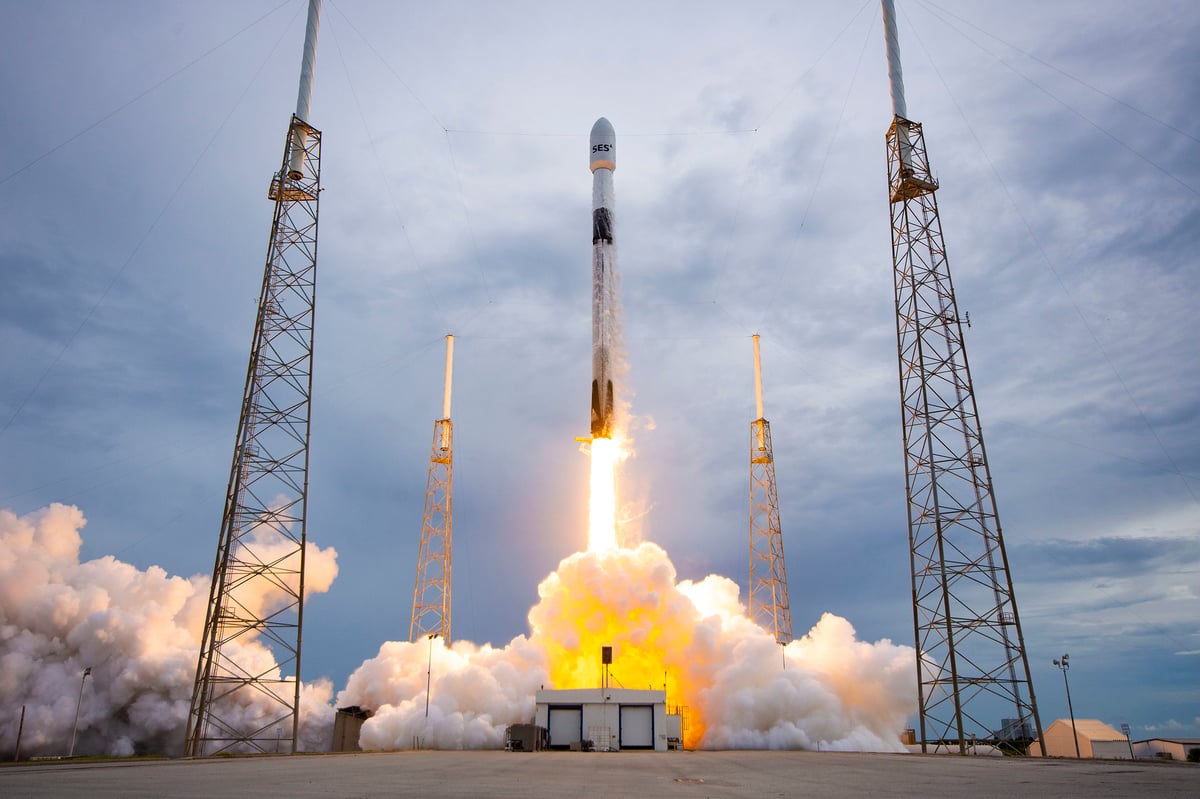
SpaceX is reportedly targeting a potential $2 trillion valuation and could raise as much as $75 billion in a planned IPO, with Starlink generating roughly $15 billion-$16 billion of annual revenue. The article argues that Starlink’s growth could pressure SiriusXM by offering a broader in-vehicle audio and internet alternative at $50/month versus SiriusXM’s roughly $26/month full package. The setup is a competitive headwind for SiriusXM, especially given its flat growth profile and already-low valuation.
The first-order loser is SIRI, but the more interesting read is that SpaceX/Starlink would force a re-underwriting of the whole in-vehicle audio stack. If Starlink becomes the default connectivity layer in more cars, Sirius loses not just subscribers but the “closed ecosystem” that has historically insulated it from internet audio competition; that raises churn risk and lowers pricing power across the base. The market is likely underestimating how quickly OEM bundling and consumer behavior can shift once connectivity is embedded at scale, because the substitution is not from satellite radio to another niche product, but from satellite radio to general-purpose streaming with essentially infinite content choice.
The second-order winner set is less obvious: SPOT and other streaming/audio platforms benefit if Starlink expands the addressable market for always-on listening in rural and over-the-road use cases. NDAQ could also see a modest structural benefit if a high-profile IPO reignites retail and thematic flows into “connectivity + AI + space” baskets, though that is a sentiment effect rather than a fundamental one. BRK.B is a near-term passive loser if the position remains sizeable, but the real risk is that a low-growth, high-yield story becomes value-trap encoded just as the market is repricing terminal growth.
Catalyst timing matters: the immediate read-through is months, not days, because the equity impact depends on how much IPO capital is allocated to Starlink capacity and vehicle integration. The tail risk for SIRI is not a one-quarter revenue miss; it is a gradual multiple compression as investors start modeling secular subscriber erosion and lower retention, which can hit the stock well before reported numbers deteriorate. Conversely, if the S-1 shows capital is directed more toward launch cadence or xAI-related spending than Starlink distribution, the bearish case weakens materially.
The consensus may be too linear on valuation. A large IPO headline can help SIRI in the very short term if investors buy the ‘too expensive to matter’ argument, but that ignores how telecom-style infrastructure wins often arrive through bundling rather than price undercutting. The asymmetry is better in SIRI downside than upside: the business can look stable until it suddenly isn’t, and low multiples can stay low while the dividend is consumed by competitive drift.
AI-powered research, real-time alerts, and portfolio analytics for institutional investors.
Request DemoOverall Sentiment
mildly negative
Sentiment Score
-0.20
Ticker Sentiment
