
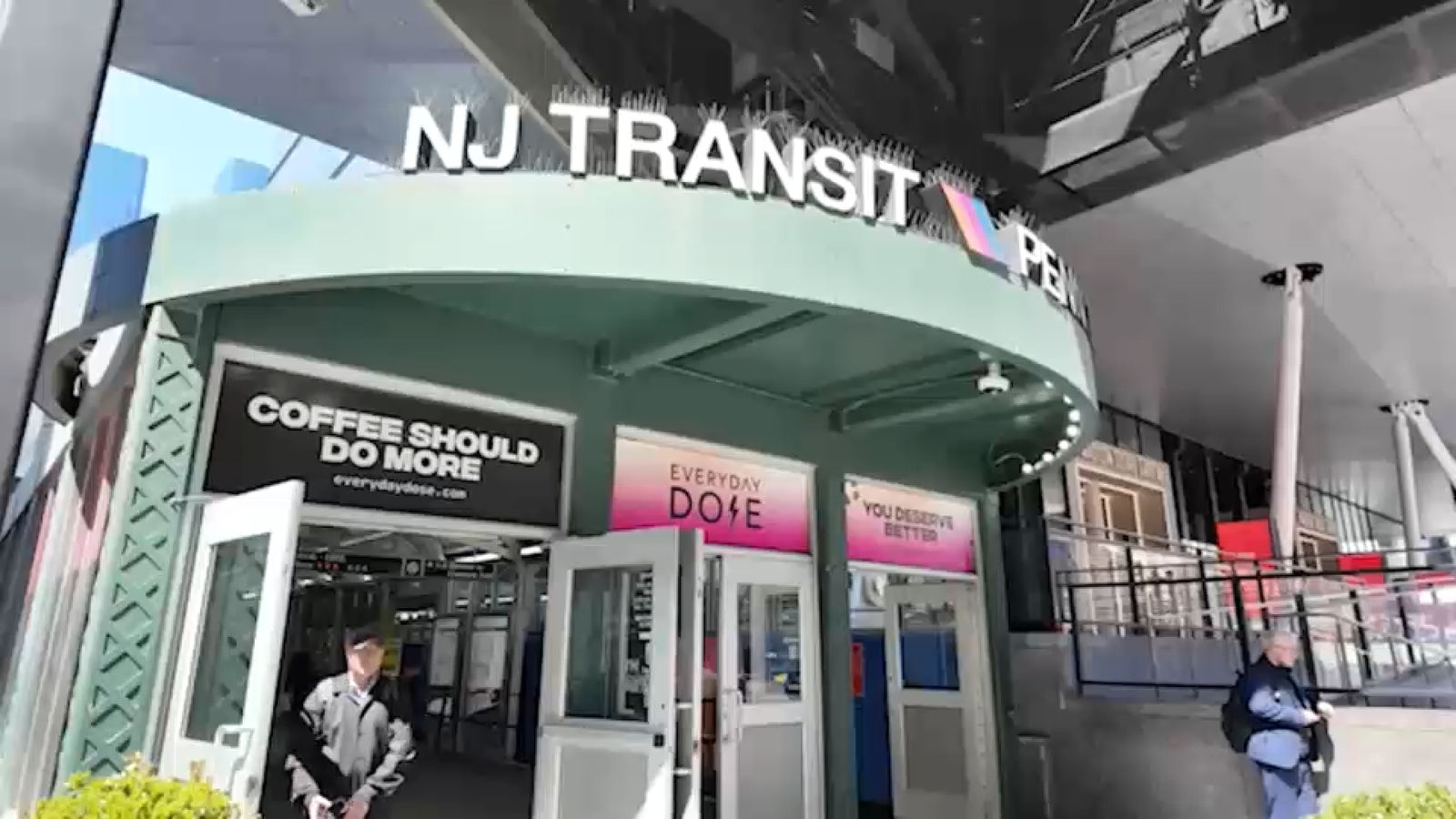
NJ Transit will charge $150 for train rides between Penn Station and MetLife Stadium during the World Cup, up from the normal $12.90 fare, to help recover an estimated $48 million in dedicated operating costs. Tickets must be purchased in advance starting May 13 and will be limited to FIFA match ticket holders, with additional bus shuttle options priced at $80 round trip. The move is aimed at cost recovery and crowd management rather than profit, and is unlikely to have broad market impact.
The immediate winner is the operator ecosystem around the stadium, not the rail line itself. A $150 rail fare and advance-only ticketing will likely push a meaningful share of demand into buses, ride-hail, and private transfers, which means the congestion cost is being shifted rather than eliminated. That creates a temporary pricing umbrella for operators with controllable capacity into North Jersey corridors and a tailwind for any venue-adjacent parking/transfer assets that can monetize scarcity.
For PATH, the key issue is not revenue but flow management: any diversion of New York-origin fans toward PATH from Midtown is positive for utilization, but only if operations remain smooth. The bigger second-order risk is reputational — if matchday transit feels punitive or fragmented, attendance elasticity shows up first in lower-margin discretionary spend, then in last-minute travel substitutions, especially for families and multi-ticket buyers. Over a few event days, service reliability matters more than fare levels; one failure could force local political intervention and prompt fare normalization or added subsidies.
The contrarian read is that the pricing may be less about extracting consumer surplus and more about testing a congestion-pricing playbook for future mega-events. If the model works, expect host-city operators to lean harder into reserved-capacity pricing, advance purchase, and modal separation; if it backfires, the backlash will likely be political rather than financial, limiting direct public-transit monetization but benefiting private shuttle and parking operators in the interim. The headline opportunity is short-duration, event-driven dislocation rather than a durable rerating of PATH.
Catalyst window is tight: the next 6-10 weeks around ticket on-sale and the first transit test days will determine whether demand simply reallocates or whether it compresses. The main tail risk is public or media backlash forcing price relief, extra subsidies, or expanded alternate service, which would flatten the scarcity premium and reduce ancillary transport take-rates.
AI-powered research, real-time alerts, and portfolio analytics for institutional investors.
Request TrialOverall Sentiment
neutral
Sentiment Score
-0.05
Ticker Sentiment
