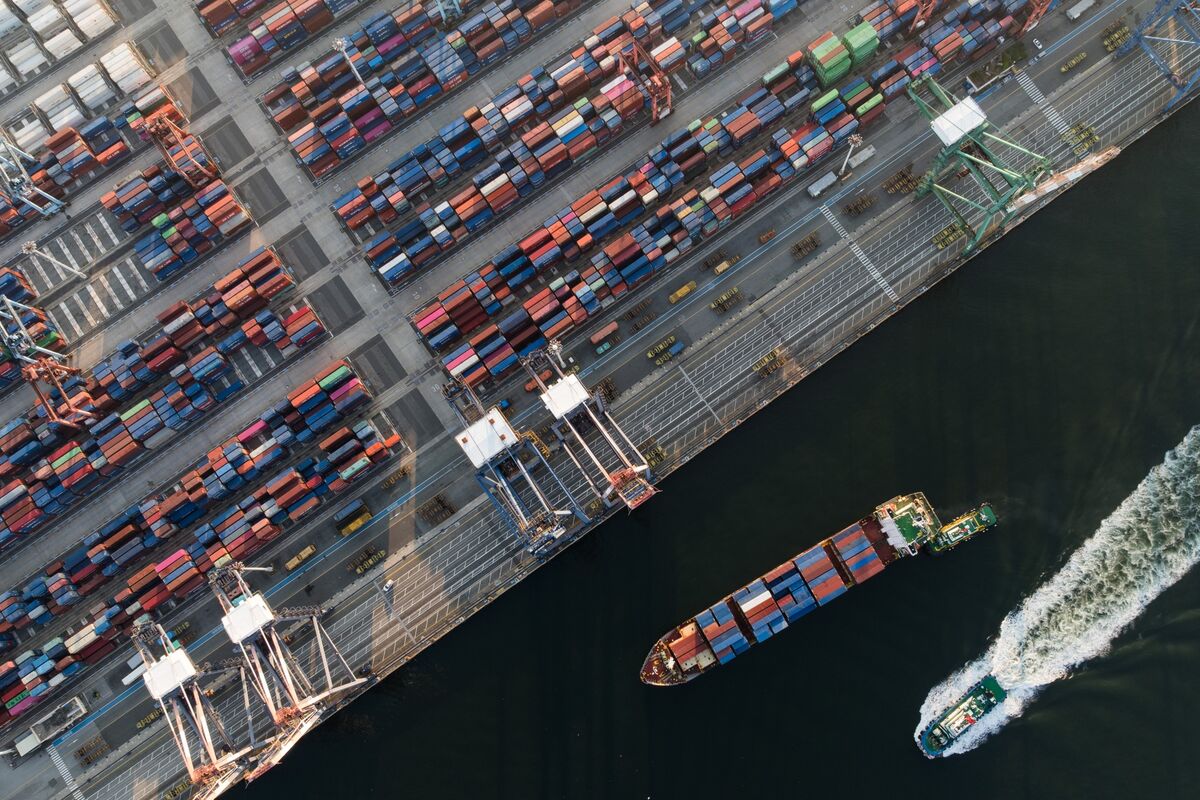
South Korea's early November exports rose 8.2% year-on-year in the first 20 days of the month, adjusted for working-day differences, according to the customs office, signaling continued export momentum. Growth was driven by sustained demand for semiconductors but moderated from October's 14% full-month gain as steep US tariffs on autos weighed on trade. The figures point to ongoing external demand support for Korea's trade-reliant economy, albeit with sector-specific headwinds that could temper near-term momentum.
South Korea's customs office reported that value of shipments, adjusted for working-day differences, rose 8.2% year‑on‑year in the first 20 days of November, signaling continued export momentum but a meaningful moderation from October's full‑month 14% gain. The early‑month figure is a timely indicator of external demand trends ahead of the full November release and shows momentum remains positive on a year‑over‑year basis.
The data attribute the strength to sustained semiconductor demand while noting steep US tariffs on autos have weighed on trade momentum, indicating a clear sectoral divergence: technology hardware is supporting aggregate export growth as automotive trade faces policy headwinds. For Korea’s trade‑reliant economy this means headline export strength can mask concentrated risks in autos and parts, which could exert drag if tariffs persist or deepen.
Near‑term market impact is mildly positive per sentiment signals but limited (market impact score 0.35), implying the release is unlikely to shift broad macro policy immediately; investors should therefore focus on the upcoming full‑month export print, semiconductor order flows, and US tariff developments as the primary catalysts that will determine whether momentum stabilizes or slows further.
AI-powered research, real-time alerts, and portfolio analytics for institutional investors.
Overall Sentiment
mildly positive
Sentiment Score
0.25
