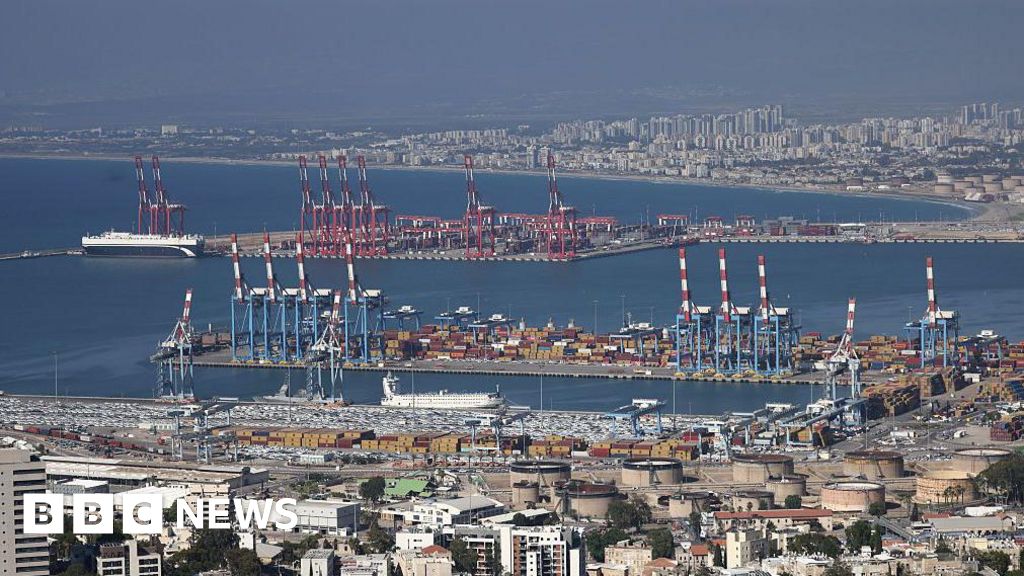
Ukraine says another vessel carrying grain allegedly stolen by Russia has arrived at Israel's Haifa port, escalating a diplomatic dispute with Israel over cargo from Russian-occupied territory. Israel says Ukraine has provided no evidence and rejects "Twitter diplomacy," while the EU warned it may target individuals and entities facilitating the trade. The issue is geopolitically negative but likely a limited direct market mover beyond grain/shipping and sanctions-related headlines.
This is less a commodity shock than a sanctions-enforcement and documentation-risk event. The immediate market impact is probably muted for grain prices, but the second-order effect is that any cargo linked to occupied territory now carries a higher probability of detention, reputational damage, and payment friction at the port-to-financing layer. That raises transaction costs for Russian-origin ag flows broadly, especially for counterparties that rely on opaque routing, shadow-fleet logistics, or intermediary trading desks.
The real winners are inspection, compliance, and maritime risk-management names: more scrutiny at Israeli and EU ports means more demand for AIS monitoring, cargo verification, and sanctions-screening. The losers are traders and shipping intermediaries with thin documentation standards; even a small increase in average dwell time or legal review can compress margins materially because grain is a low-unit-value cargo with tight basis economics. If EU authorities start listing third-country entities, the spillover could hit insurers and financiers before it hits the physical commodity itself.
Catalyst risk is asymmetric over days to weeks, not months: a single detained vessel, frozen payment, or publicized sanctions designation would convert this from a diplomatic spat into a measurable trade-flow disruption. The clean reversal case is straightforward: if Israel forces documentary verification and no legal breach is established, the issue fades; if Ukraine produces chain-of-custody evidence that is credible to EU regulators, the pressure on ports and insurers will intensify quickly. The contrarian view is that the market is underpricing how often sanctions narratives become enforcement events—most headlines are noise, but once a jurisdiction starts acting, counterparties reprice risk across the whole route, not just one ship.
AI-powered research, real-time alerts, and portfolio analytics for institutional investors.
Request DemoOverall Sentiment
moderately negative
Sentiment Score
-0.25
