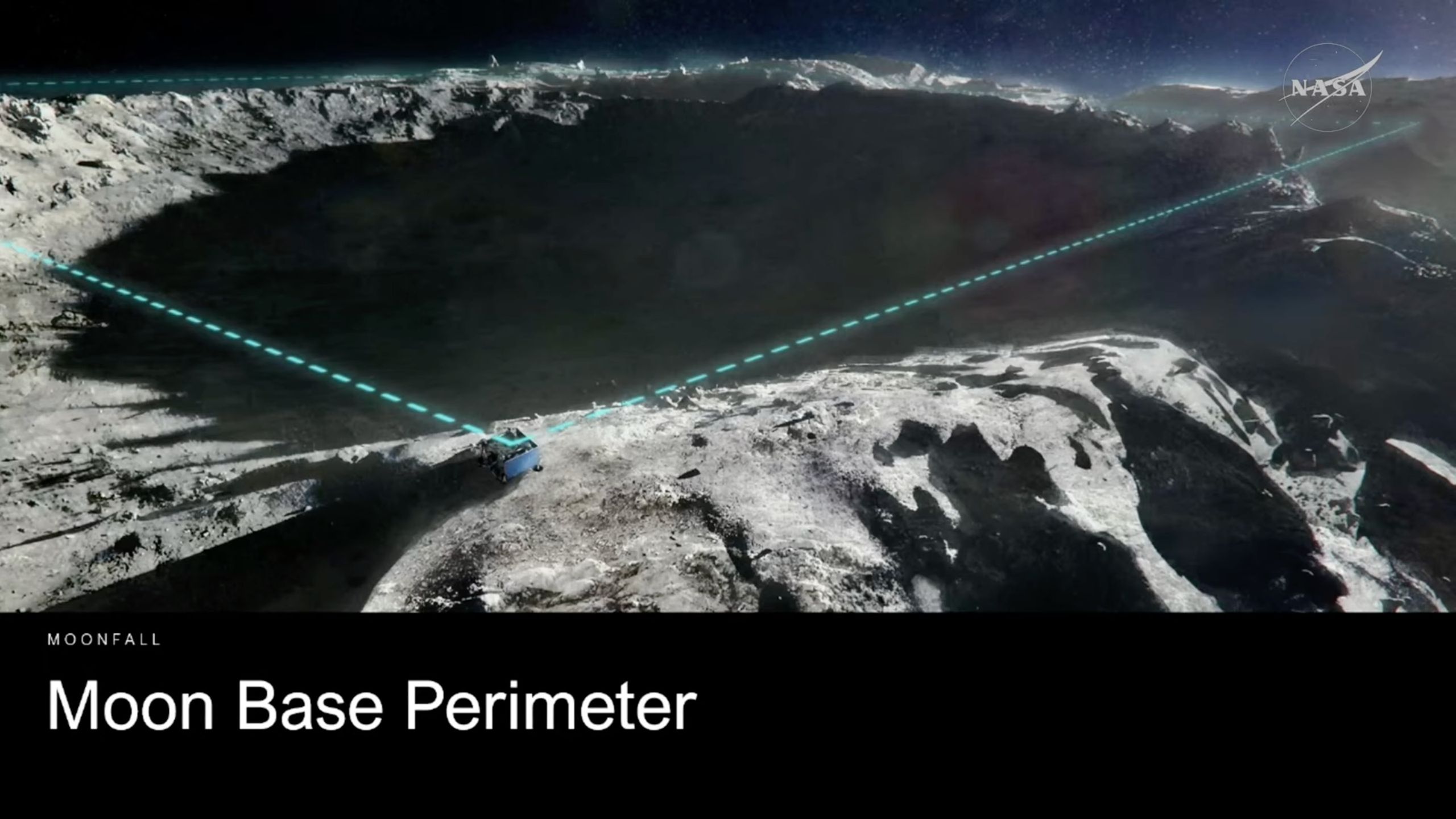
NASA outlined a multi-phase Artemis moon base plan that could span "hundreds of square miles" near the lunar south pole, with Phase One running through 2029, Phase Two through 2032, and Phase Three targeting semi-permanent crew presence. The agency also awarded contracts to Firefly Aerospace ($75 million for MoonFall scout drones), Astrolab ($219 million), and Lunar Outpost ($220 million) for lunar terrain vehicles, with at least one rover targeted for the surface before Artemis 4 in late 2028. The announcement reinforces the scale and timeline of U.S. lunar infrastructure development, but it is primarily a long-dated program update rather than a near-term market catalyst.
FLY is the cleanest near-term beneficiary because this announcement shifts the story from “conceptual lunar services” to a multi-year procurement pipeline with follow-on mission content. The important second-order effect is that NASA is no longer buying a one-off payload; it is effectively validating a lunar logistics stack that can expand from scouting drones into site survey, perimeter marking, and eventually border/security-adjacent operations. That raises the probability of repeat orders, which matters more than the initial contract size because the market tends to re-rate on program permanence, not dollar value.
The bigger winner, however, may be the orbit-to-surface ecosystem around FLY rather than FLY alone. If lunar landing becomes a recurring cadence, beneficiaries extend to autonomy software, navigation, thermal systems, and communications vendors with defensible IP and NASA heritage. The second-order loser is any “single-shot” lander business model: once NASA commits to an iterative base buildout, it will likely prefer suppliers that can demonstrate reliability, spares support, and multi-mission commonality, compressing margins for one-off integrators.
Timing matters: the near-term catalyst is contract optics and roadmap credibility over the next 6-18 months, while the operational payoff is still 3-5 years out. The main reversal risk is schedule slippage at Artemis 3/4, or a policy change that turns the lunar base into a slower, more diplomatic program rather than an industrial one. A deeper contrarian read is that the market may underappreciate how the lunar south pole uncertainty creates optionality for mission planners: if scouting proves viable, the addressable surface area expands, which is bullish for cadence and recurring revenue, but if scouting disappoints, the procurement funnel narrows sharply.
For now, the setup is asymmetric: small current contract dollars, but a credible path to a platform award structure if NASA wants to de-risk surface operations before 2030. That makes the trade more about owning the ecosystem early than chasing the headline after each mission milestone.
AI-powered research, real-time alerts, and portfolio analytics for institutional investors.
Request DemoOverall Sentiment
mildly positive
Sentiment Score
0.35
Ticker Sentiment
