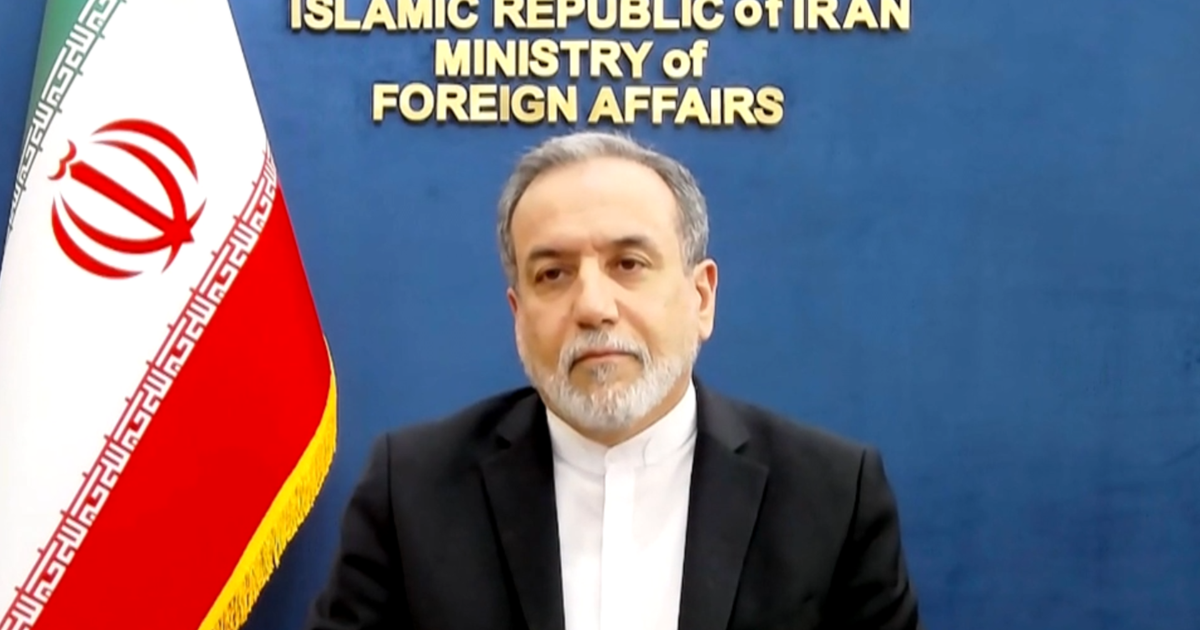
Iranian Foreign Minister Abbas Araghchi told CBS that Tehran is pursuing a diplomatic, nuclear-only deal with the U.S. and expects to present negotiable draft elements in Geneva this week in talks with U.S. envoy Steve Witkoff, though final approval from Iran's leadership is still pending. He reaffirmed Iran's right to peaceful enrichment under the NPT, signaled conditional cooperation with IAEA safeguards and the additional protocol, and warned that U.S. bases and assets in the region would be legitimate targets if Washington attacks. The interview underscores heightened military tensions and asymmetric threats that raise regional risk premia — a catalyst for volatility in oil, defense contractors, and EM-risk pricing — while sanctions and political constraints (including U.S. Republican demand for zero enrichment) complicate deal certainty.
MARKET STRUCTURE: Elevated US-Iran tensions make defense primes (LMT, RTX, NOC, GD) and energy suppliers (XOM, CVX, BNO) near-term beneficiaries as militaries stock munitions and oil risk premia rise. Commodity supply shock risk is asymmetric: a 0.5–2.0 mbpd disruption in Strait of Hormuz would likely lift Brent $8–20 within days, shifting cash flows to integrated energy names and commodity producers while stressing refiners and trade-linked EM corporates. Safe-haven demand should push 2s-10s lower by 10–30bps and lift gold (GLD, GDX) 3–8% in a 1–4 week risk-off move.
RISK ASSESSMENT: Tail scenarios include a limited strike (weeks, localized) or broad conflict (low-probability, months, regional escalation) causing sustained oil >$100 and shipping insurance spikes 200–500%. Immediate (0–7 days) risks are headline-driven volatility and option skew; short-term (weeks–months) risks include sanctions on counterparties and secondary banking hits to EM (EEM) exposure; long-term (quarters) risk is protracted proxy warfare increasing defense capex but compressing regional growth and FX of Gulf currencies. Hidden dependencies: insurance, freight rates, and re-routing costs amplify real-economy impacts beyond direct commodity moves.
TRADE IMPLICATIONS: Tactical: buy 3–6 month call spreads on LMT (e.g., buy 1x Jun 2026 480C / sell 1x 520C) sized 2–3% NAV to capture re-rating while hedging premium. Buy GLD (1–2% NAV) and a 3M put on EEM (strike ~5–7% OTM) to protect EM exposure; establish 90–120 day Brent long (BNO or futures) sized to 1–2% NAV, take profits if Brent falls back below $85. Use protective triggers: trim energy/defense longs if headlines show a signed diplomatic deal within 7 days or Brent drops >$6 from peak; exit GLD if real yields rise >30bps from current level.
CONTRARIAN ANGLES: Consensus may overpay defense cyclicality—historically (2012–2016) defense stocks spiked on geopolitical risk then mean-reverted as markets priced in eventual diplomatic solutions; if Geneva talks produce a text within 3–10 days, expect a 10–18% pullback in defense names. Similarly, a nuclear-only deal with robust IAEA inspections would remove much premium from oil and insurers; therefore size positions conservatively and favor option structures (debit spreads) over outright equity leverage to avoid rapid reversals. Monitor IAEA and Geneva communiqués as binary catalysts within 72 hours.
AI-powered research, real-time alerts, and portfolio analytics for institutional investors.
Request DemoOverall Sentiment
moderately negative
Sentiment Score
-0.50
