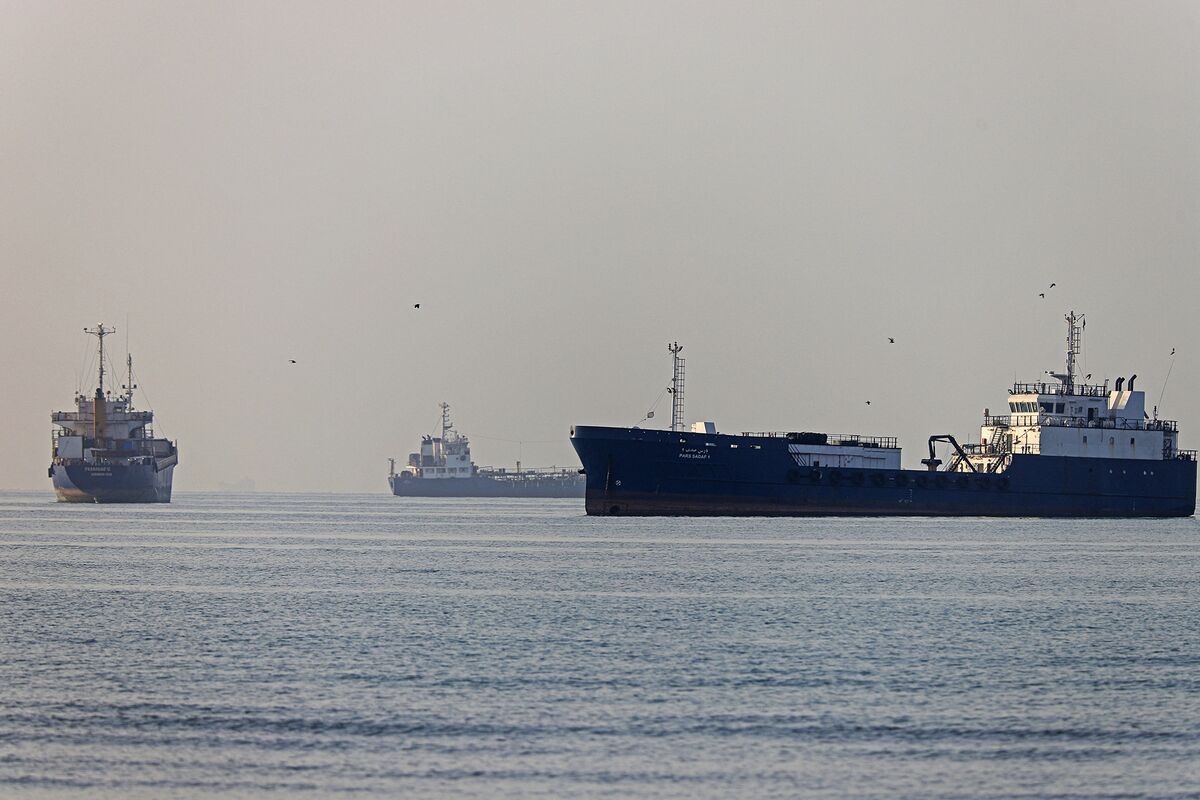
Iran allegedly violated a ceasefire by launching at least four one-way attack drones at cargo ships transiting the Strait of Hormuz, with one drone reportedly hitting a large vessel's upper deck. The ship remained able to proceed, while the other three drones were downed. The incident raises immediate geopolitical and shipping risk in a critical energy chokepoint, with potential spillover for freight and oil markets.
The market implication is not the headline drone strike itself, but the renewed probability of a regime where shipping risk in the Gulf becomes episodic rather than contained. That raises the expected value of freight insurance, rerouting, and inventory buffering across Asia-to-Europe energy and industrial supply chains, even if physical volumes are not immediately impaired. The first-order move is in oil and tanker rates; the second-order move is wider dispersion between firms with direct Strait exposure and those with optionality to source via alternative corridors or hold higher stock.
The more important risk is asymmetry: a few days of disruption can move prompt prices and freight sharply, while the reversal path is slower because the market must regain confidence in a durable ceasefire, not just one quiet session. Any escalation that raises the probability of mine-laying, electronic warfare, or boarding would be far more material than isolated drone attacks, because shippers price in tail-risk of a multiday closure rather than median throughput. That means volatility is likely underpriced relative to realized downtime; the second-order effect is capex acceleration for defensive logistics and inventory financing.
Consensus may be over-focusing on crude beta and underestimating beneficiaries further out the chain. Tanker names, LNG shipping, marine insurers, port security, and defense electronics should see a stronger repricing than integrated energy equities if the market concludes this is a recurring harassment campaign rather than a one-off. Conversely, industrials and retailers with lean inventories face margin pressure if charter rates and transit times stay elevated for even 2-6 weeks, particularly those with Asia-heavy inputs and no pass-through clauses.
The contrarian view is that the move could be tactically overdone if cargo traffic keeps flowing and the event remains politically contained. In that case, energy could mean-revert quickly while freight volatility stays bid, creating a better risk/reward in logistics hedges than outright oil longs. The key catalyst set over the next 48-72 hours is whether additional incidents occur, whether insurers widen premiums, and whether any state actor signals willingness to enforce escort corridors or retaliate in ways that change the duration profile.
AI-powered research, real-time alerts, and portfolio analytics for institutional investors.
Request DemoOverall Sentiment
strongly negative
Sentiment Score
-0.60
