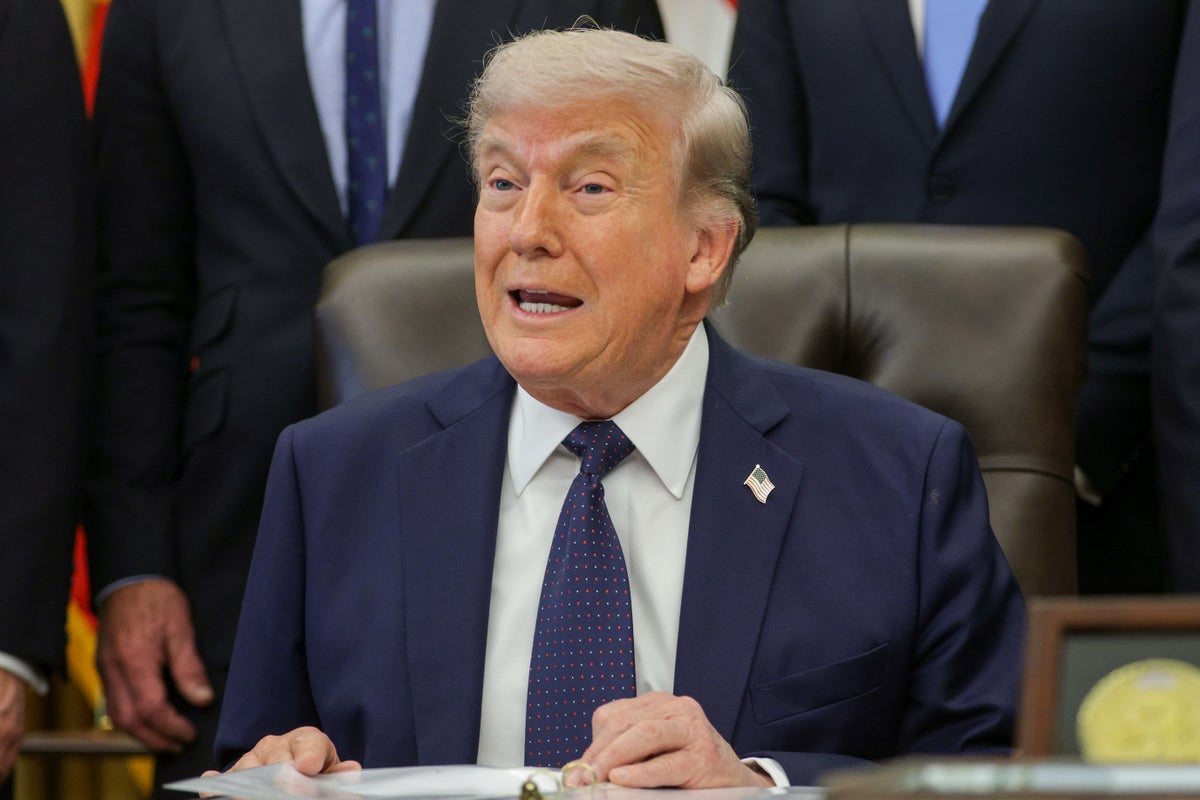
Trump is reportedly set to receive options for new U.S. military strikes on Iran, including targeting infrastructure, seizing part of the Strait of Hormuz, and a special forces operation to secure enriched uranium. The article says the conflict has already pushed oil prices higher and effectively halted traffic through the Strait, through which about 20% of global oil and LNG shipments pass. The prospect of escalation raises global geopolitical risk and could further disrupt energy and shipping markets.
The market is likely underpricing the asymmetry between a rhetoric-driven escalation and a physically enforced shipping disruption. Even without a full-scale ground campaign, credible chatter around Strait control keeps a non-linear risk premium embedded in crude, LNG, insurance, and tanker rates; the second-order winner is not just upstream energy, but the entire maritime friction stack, where short-duration spikes can persist for weeks even if the shooting de-escalates. The more interesting effect is convexity: a small increase in interdiction probability can produce a large jump in forward volatility, which matters more than spot price direction for options and structured trades.
The biggest loser set is energy-intensive transport and industries with no pricing power: airlines, parcel/logistics, chemicals, and select industrials with Middle East routing exposure. The medium-term impairment is that rerouting and war-risk premia can compress global trade volumes before any actual supply loss shows up in OECD inventories, which means equity multiples can re-rate lower even if headline crude only remains elevated for days. A sustained disruption also pressures emerging-market current accounts and FX, especially for oil importers that are already stretched, creating a broader risk-off channel beyond the commodity tape.
Consensus is probably too focused on oil direction and not enough on regime change in volatility and policy response. If the market believes Washington will act to reopen shipping, the trade is not simply long crude; it is long volatility until a credible operational resolution is evident. Conversely, if the escalation is bluster, the unwind can be sharp because positioning in energy and defense-adjacent names will be crowded and levered to headlines rather than fundamentals.
The cleanest contrarian is that the best risk/reward may be in short-duration beneficiaries of panic, not in outright long crude. The more limited the actual kinetic action, the faster the risk premium bleeds out; but if forces do move to secure lanes, the cost base for global shipping resets higher for months, which would favor selective defense, tanker, and energy services exposures over broad beta. In other words, trade the distribution, not the mean.
AI-powered research, real-time alerts, and portfolio analytics for institutional investors.
Request DemoOverall Sentiment
strongly negative
Sentiment Score
-0.65
