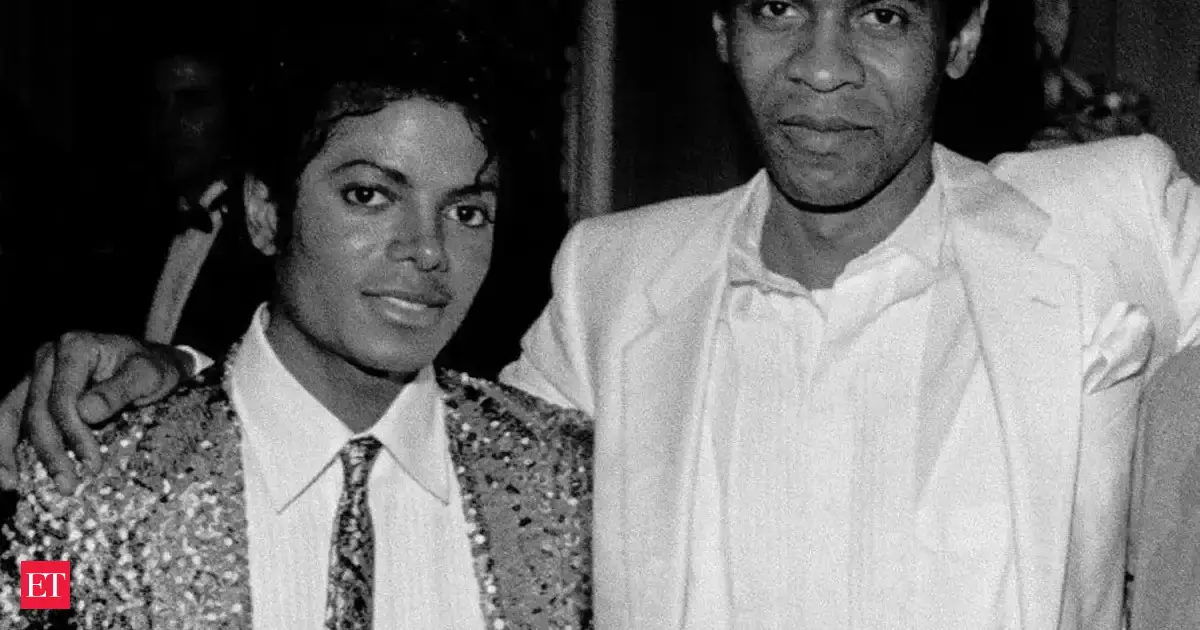
Veteran music executive and Michael Jackson estate co-executor John McClain died at 71 in Malibu after being ill for several years. McClain was a key behind-the-scenes figure in the music industry, helping manage Jackson’s estate since 2009 and overseeing a multibillion-dollar legacy business. The news is primarily notable for the loss of an influential media and entertainment executive, with limited direct market impact.
This is a governance event, not a direct revenue shock, but it matters because estate management is one of the few areas in media where a single operator can materially influence valuation, litigation risk, and the timing of monetization. The key second-order issue is continuity: estates with active licensing, catalog reissues, brand partnerships, and film/biopic pipelines tend to rely on relationship capital as much as legal authority, so the near-term risk is execution friction rather than asset impairment. The market should distinguish between transient headline uncertainty and structural franchise value. If the estate has already institutionalized its processes, the death of a co-executor may only create a brief delay in deal cadence; if not, expect slower approvals, more conservative counterparties, and a wider bid-ask on any upcoming catalog or likeness transactions over the next 3-6 months. That can pressure adjacent beneficiaries that monetize through celebrity IP, because sponsors and platforms tend to de-risk when leadership transitions create ambiguity. Contrarian angle: the immediate reaction may overstate downside because estate assets are largely contractual and evergreen, while the next wave of value creation likely comes from packaging, film, and streaming monetization rather than day-to-day stewardship. In that setup, the real winners are legal-administrative service providers and content distributors with scale and process, while boutique operators lose negotiating leverage. The biggest loser is not the Jackson estate itself, but any party expecting a fast close on celebrity-IP deals in the near term. Catalyst window is 1-2 quarters: watch for delays in announced estate-related content, licensing, or merchandising deals. If counterparties publicly reaffirm timelines, the risk premium should compress quickly; if not, expect a persistent overhang on similar legacy-IP vehicles. This is also a useful read-through on succession risk across artist estates, where key-person concentration can matter more than the underlying catalog economics.
AI-powered research, real-time alerts, and portfolio analytics for institutional investors.
Request DemoOverall Sentiment
moderately negative
Sentiment Score
-0.20
