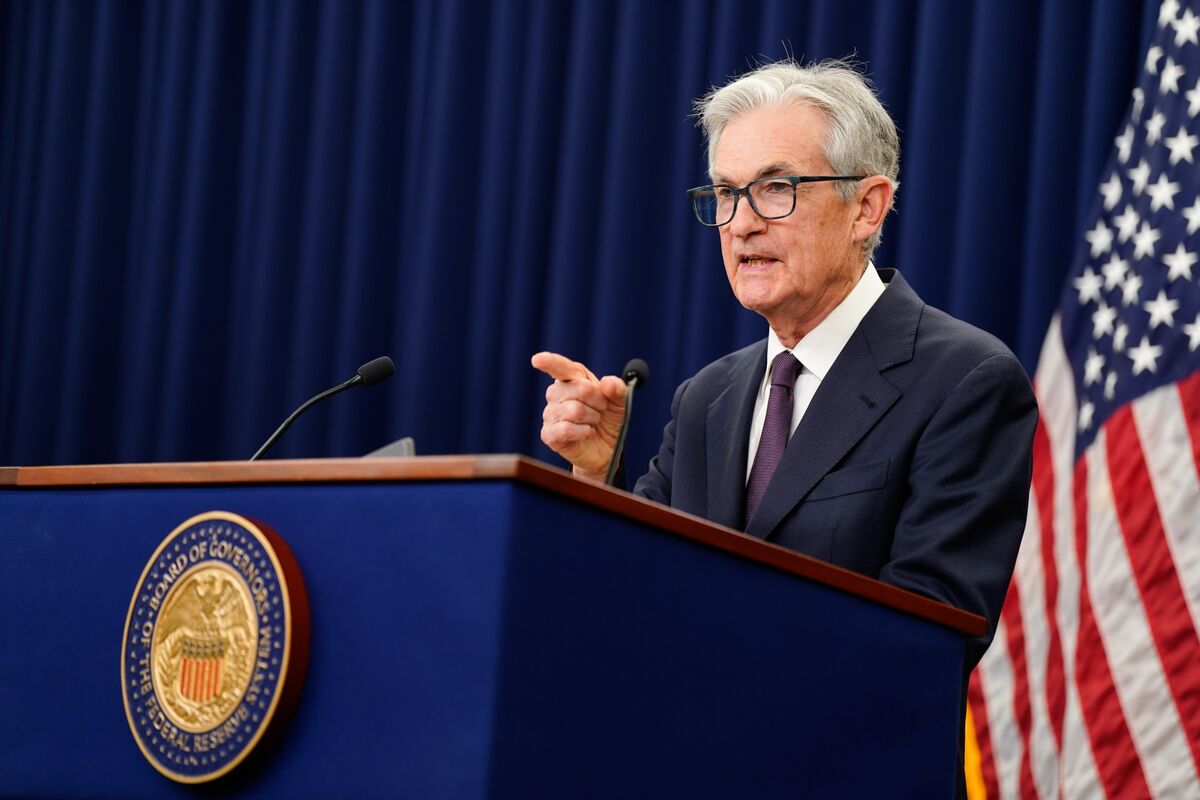
Russell Vought, Director of the White House Office of Management and Budget, publicly accused Federal Reserve Chair Jerome Powell of "grossly mismanaging" the institution. In a letter, Vought specifically cited an "ostentatious overhaul" of the Fed's Washington D.C. headquarters, conveying President Trump's "extreme trouble" with Powell's leadership and demanding further information. This signals escalating political pressure from the White House on the central bank's operational independence.
The White House, via a letter from the Office of Management and Budget Director Russell Vought, has escalated its public confrontation with the Federal Reserve, accusing Chair Jerome Powell of "grossly mismanaging" the central bank. The criticism, which reflects President Trump's stated dissatisfaction, centers on a purportedly "ostentatious overhaul" of the Fed's headquarters, framing it as fiscal irresponsibility. This development injects a significant layer of political risk into the monetary policy landscape. Such direct attacks on the Fed's operational decisions and leadership challenge the institution's perceived independence, a critical pillar for market stability and predictable monetary policy. The strongly negative sentiment and moderate market impact score signal that investors are likely to interpret this not as a substantive critique of the Fed's budget, but as an attempt to exert political influence over the central bank's governance and, by extension, its policy direction.
AI-powered research, real-time alerts, and portfolio analytics for institutional investors.
Request DemoOverall Sentiment
strongly negative
Sentiment Score
-0.65
