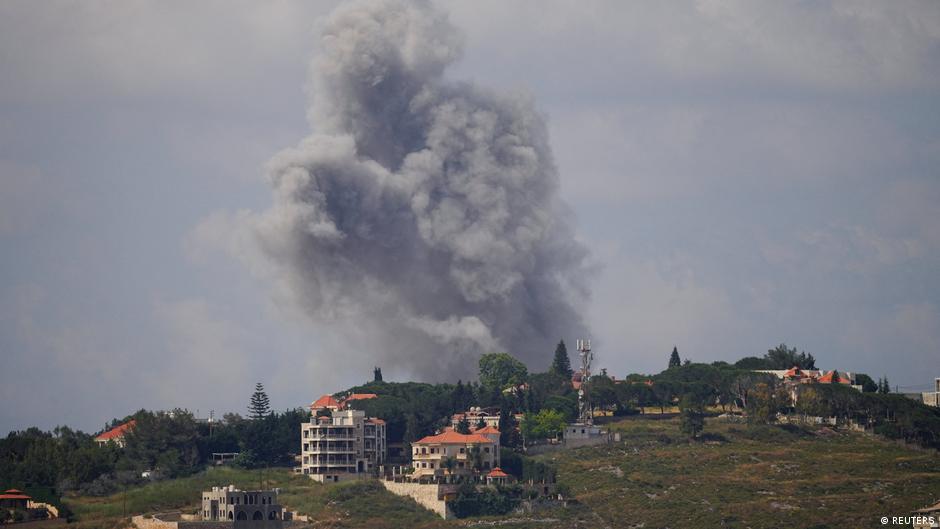
Israel and Lebanon are set for Pentagon-mediated security talks after Israel intensified strikes on Hezbollah, with at least 14 reported killed in Beirut's southern suburbs and Tyre and more than 135 Hezbollah targets hit in one day. The article also reports escalating regional risk around Gaza and Iran, including a potential 60-day US-Iran ceasefire extension still awaiting approval. The tone is sharply risk-off, with elevated implications for Middle East security, energy transit, and broader geopolitical stability.
The market implication is less about the Lebanon front in isolation and more about the widening probability distribution for a regional spillover that would force higher defense outlays, tighter shipping insurance, and a slower normalization path for Middle East risk premia. The Pentagon talks create a short window where headlines can temporarily compress volatility, but they do not remove the underlying incentive for all sides to keep signaling strength domestically; that makes any de-escalation fragile and tactical rather than durable.
Second-order, the key transmission is through infrastructure optionality: even without a full war, recurring strikes near transport corridors and heritage/urban centers raise rebuilding needs, municipal financing stress, and the likelihood of accelerated procurement for air defense, counter-drone systems, and hardened comms. That favors suppliers with exposure to interceptors, sensors, EW, and base-security infrastructure, while hurting any air/sea logistics names with Levant exposure and regional insurers that are already pricing in event risk.
The Iran angle matters more for energy and rates than for diplomacy headlines. If a ceasefire-extension framework and nuclear-talk restart is credible, the immediate beneficiary is the Gulf shipping complex and broad risk assets via lower tail risk; but the real trade is that a failed agreement would quickly reprice crude, shipping insurance, and defense in opposite directions within days, not months. The underappreciated risk is that a near-deal can actually embolden harder-line behavior on the Lebanon/Gaza fronts if Tehran believes it has a diplomatic cover window.
Consensus seems to be treating this as a binary ceasefire story, but the more probable regime is intermittent escalation with negotiated pauses. That is structurally bearish for cyclicals tied to regional trade flows, modestly bullish for defense, and directionally supportive of sovereign-risk hedging around Lebanon and adjacent Levant EM credit if the Pentagon process stalls or produces only a cosmetic deconfliction mechanism.
AI-powered research, real-time alerts, and portfolio analytics for institutional investors.
Request DemoOverall Sentiment
strongly negative
Sentiment Score
-0.55
