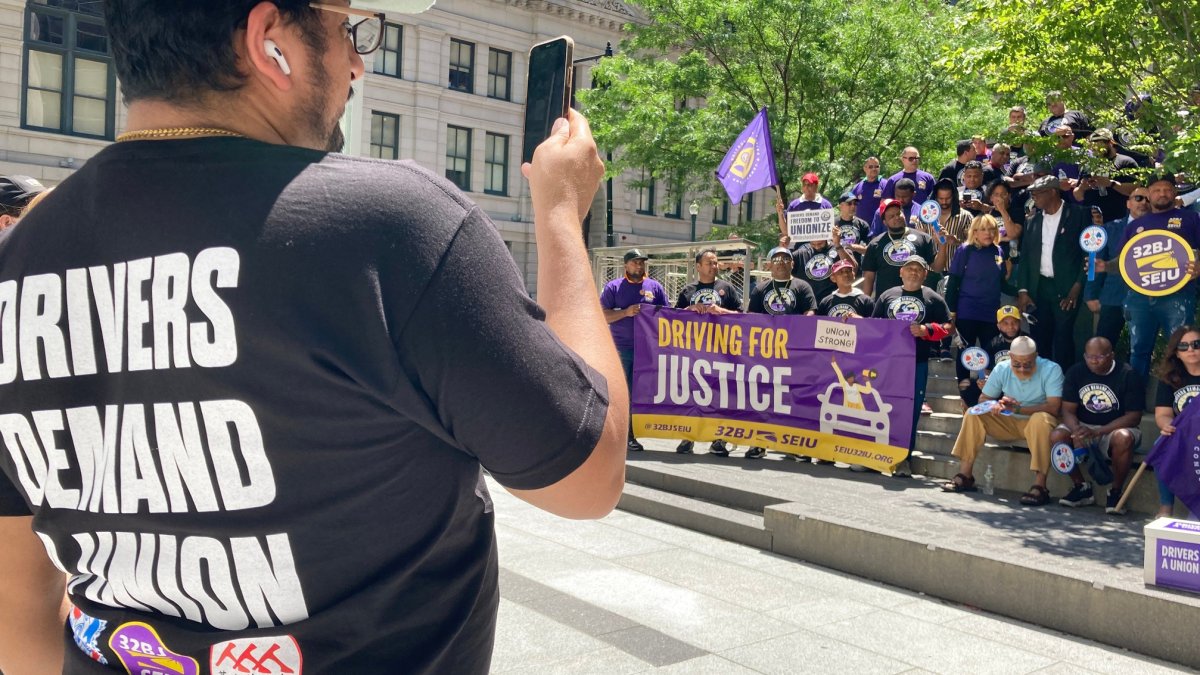
Massachusetts became the first state to certify an Uber/Lyft driver union, with the App Drivers Union set to represent nearly 70,000 rideshare drivers after clearing the 25% threshold with 32% support. The union can now pursue collective bargaining, potentially affecting labor costs and operating terms for Uber and Lyft in the state. The move follows a 2024 ballot measure approving drivers' right to unionize and comes alongside proposed tighter state regulation of rideshare safety and background checks.
This is less about immediate labor cost inflation and more about a structural bargaining overhang finally moving from theoretical to executable. For Uber and Lyft, the key second-order effect is not a near-term P&L hit from wages, but the possibility that Massachusetts becomes the template for other states to force a quasi-employee framework without formally reclassifying drivers. That would raise the discount rate on the entire U.S. rideshare model because it introduces persistent uncertainty around take rates, driver churn, and the durability of supply elasticity.
The market should focus on duration of risk rather than headline size. A single state agreement is manageable, but if the union secures even modest gains, it creates a negotiating benchmark for high-density, high-value geographies where margins matter most; that is where pricing power is least certain and rider elasticity is most visible. In the near term, the larger issue is management distraction and legal/process friction: even if no contract lands for months, the existence of a certified bargaining agent increases the probability of work stoppage threats, public pressure campaigns, and regulatory spillover into background-check and safety rules.
The contrarian angle is that this could end up being less costly than feared if labor representation improves driver retention and reduces incentives for local regulatory crackdowns. If the union becomes a mechanism for stabilizing supply, the net effect could be lower churn and fewer incentive spend spikes, partially offsetting wage concessions. That said, the distribution of outcomes is asymmetric: downside to valuation comes fast on any sign of multi-state contagion, while upside from a benign contract is slower and likely already partially anticipated in a regulated-platform multiple.
Ford is largely a bystander, but the broader labor precedent matters for any asset-light platform exposed to contractor classification risk. The cleanest read-through is to avoid names where labor is the marginal swing factor and to treat this as a multiple compression catalyst rather than an earnings event.
AI-powered research, real-time alerts, and portfolio analytics for institutional investors.
Request DemoOverall Sentiment
mildly positive
Sentiment Score
0.25
Ticker Sentiment
