

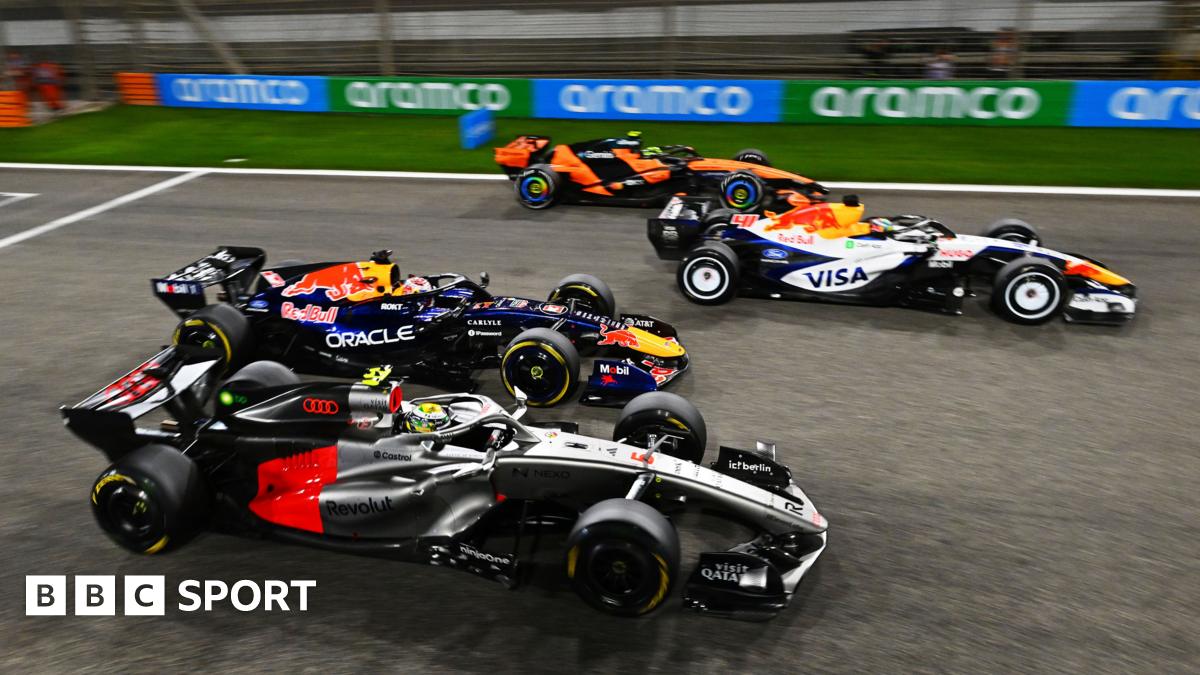
F1's 2026 regulations deliver major technical change: cars remain 1.6-litre V6 turbo hybrids producing ~1,000 bhp but the electrical/ICE split shifts to roughly 52/48 with the electrical side producing up to 350 kW (≈470 bhp) while the MGU-H is removed and battery capacity remains similar. Chassis rules revert from ground-effect to a flatter 'step-plane' underside, cars are ~30kg lighter and narrower, tyres are reduced (front -25mm, rear -30mm) and moveable aero 'straight-line mode' plus new 'overtake' and boost systems compensate for reduced energy recovery; fuels must be carbon‑neutral. The rule changes have already drawn OEM entrants (Audi, GM, Ford; Honda reversed exit), creating potential strategic and supply-chain implications for automotive suppliers, power-unit specialists and sustainability-related tech providers, while reducing short-term on-track lap speeds and introducing operational energy management complexities.
Market structure: The rule reset disproportionately benefits large OEMs with deep software, battery and power‑electronics capabilities (Audi/GM/Ford/Honda) and specialist suppliers of high‑power inverters, motors and sustainable fuels; expect double‑digit incremental demand (10–30%) for race‑grade power electronics and synthetic/biofuel contracts over 12–36 months as teams re‑tool. Incumbent aero specialists that optimized MGU‑H/ground‑effect systems lose niche IP value, compressing pricing power for bespoke hybrid subsystems. Commodities (copper, rare earth magnets, refined biofeedstock) should see tighter supply/demand starting H2 2026; watch 6–18 month inventory cycles that can lift miners and magnet producers.
Risk assessment: Tail risks include FIA regulatory reversals or rapid rule tweaks (low prob, high impact) and a supplier failure causing costly redesigns—either could wipe out projected halo returns in 1–3 months. Immediate volatility will cluster around the Australian GP and supplier contract announcements (days–weeks); structural capex and supply reconfiguration play out over 1–3 years. Hidden dependency: battery cell chemistry and high‑power inverter lead times (12–24 months) create second‑order bottlenecks; catalyst events are supplier award notices and OEM capex updates in the next 90 days.
Trade implications: Tactical longs: favored plays are equity exposure to GM (GM) and Ford (F) for brand/tech upside and specialist materials exposure (copper miners or COPX) to capture inputs inflation; size positions 1–3% of portfolio with horizon 6–24 months. Use options to buy 3–6 month call spreads on GM/F around supplier/capex announcements to limit capital at risk; consider long copper miners (FCX) 6–18 months. Rotate out of small bespoke aero suppliers lacking power‑electronics capability; overweight industrial suppliers/automation (XLI) versus legacy ICE‑focused parts vendors.
Contrarian angles: Consensus overstresses immediate marketing halo—monetization is lumpy and likely underwhelming through 2026; historical parallel: 2014 hybrid rule change created long lead times for consumer ROI. Market may underprice rare earth/copper tightness and software/IP winners; a 10–20% rerating of specialist inverter or magnet makers is plausible if OEMs accelerate in‑house sourcing. Unintended consequence: complexity favors large incumbents (Mercedes/Red Bull tech partners), not new entrants, so avoid binary single‑team bets.
AI-powered research, real-time alerts, and portfolio analytics for institutional investors.
Request TrialOverall Sentiment
neutral
Sentiment Score
0.05
Ticker Sentiment
