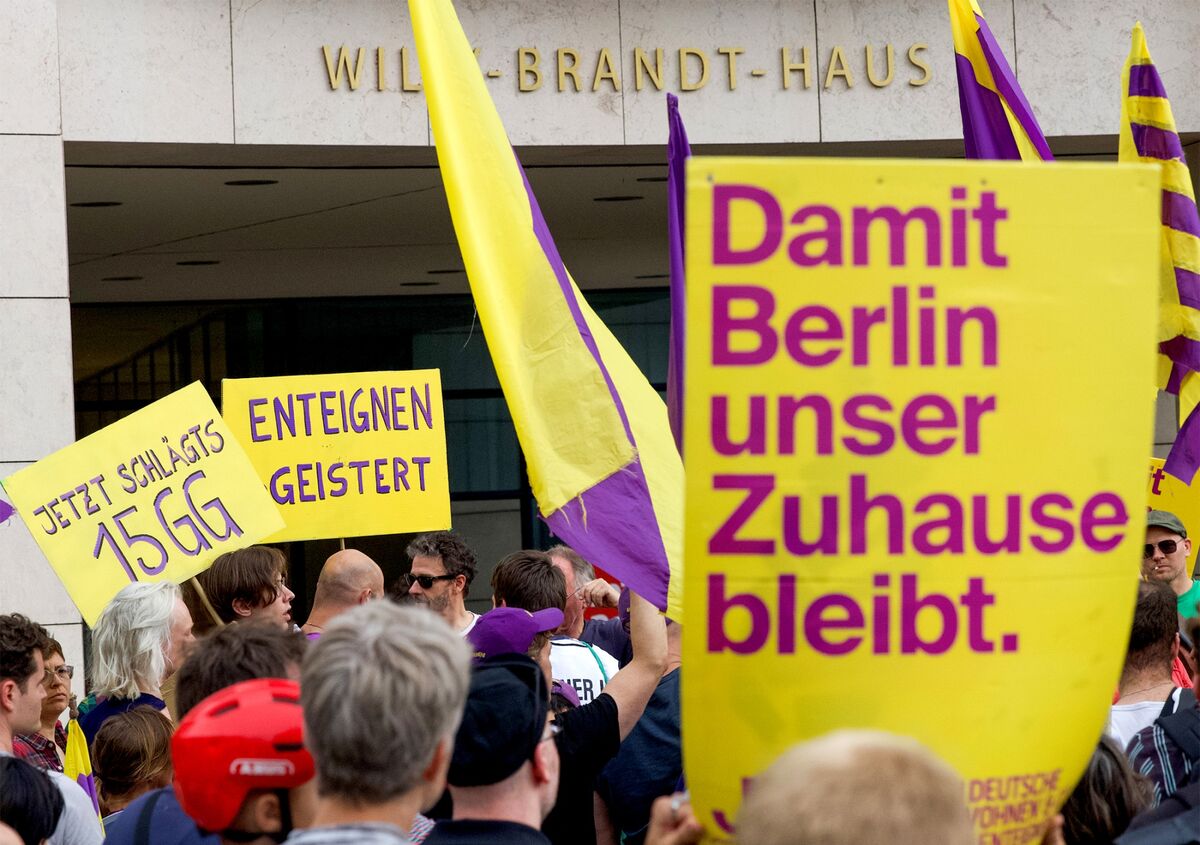
A week after tens of thousands of migrants stormed the Spanish enclave of Ceuta, authorities still lack a definitive explanation for the incident. Germany’s upcoming state elections next month highlight a political split between progressive platforms and anti-migrant sentiment, underscoring rising uncertainty around migration-related policy.
This is less a local-election story than a read on whether Germany is drifting toward a harder border regime and more coalition fragmentation. If anti-migrant sentiment keeps rising, the market implication is not a one-day “political risk” move so much as a slower deterioration in policy optionality: less room for labor-market liberalization, less appetite for fiscal expansion, and more headline noise around EU burden-sharing. That is modestly negative for German domestic cyclicals and the euro, while exporters with global revenue should be relatively insulated.
The second-order winner set is likely to be firms tied to enforcement, security, and screening infrastructure, but that is a months-to-years theme rather than an immediate trade. The more material economic effect is on labor supply: tighter migration constraints would keep wage pressure elevated in services, construction, logistics, and eldercare, which is a tailwind for inflation persistence and a headwind for rate-sensitive German small caps and consumer-facing names. If this turns into real policy, the impact shows up first in hiring bottlenecks, then margins, then valuation multiples.
Contrarian view: the market may be overestimating how quickly sentiment translates into policy. State-election rhetoric often looks decisive but can fade if turnout is low or mainstream parties remain numerically dominant. The thesis is falsified if polling/exit data show anti-incumbent gains without coalition leverage; in that case, the selloff in Germany-specific risk assets should reverse within days rather than persist for 1-3 months.
AI-powered research, real-time alerts, and portfolio analytics for institutional investors.
Request DemoOverall Sentiment
neutral
Sentiment Score
-0.10
