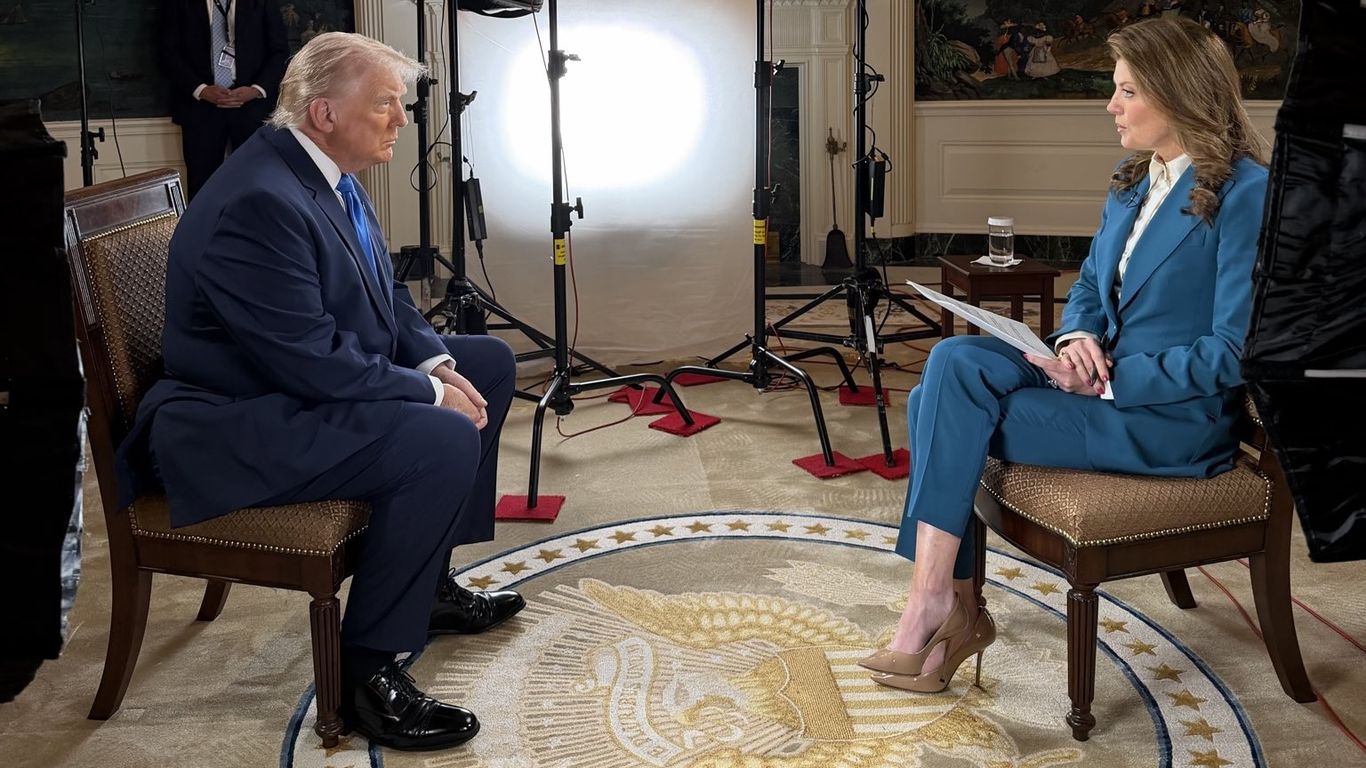
Trump used a post-shooting interview to renew attacks on the press and Democrats, escalating an already adversarial media stance and highlighting ongoing political volatility in the U.S. The article also notes his continued lawsuits against major news organizations, including Paramount and the Wall Street Journal, underscoring persistent legal and reputational conflict. No direct economic or corporate data were reported, so market impact appears limited.
The immediate market read is not about “political theater” but about the probability of more frequent, higher-severity headline shocks that keep bid/ask spreads wide for companies with advertising, brand, or regulatory exposure. When political violence becomes normalized, media-adjacent assets face a two-way risk: short-run attention spikes can lift traffic, but longer-run advertiser caution and litigation cost inflation weigh on margins. For the listed name here, PGRE is effectively a non-event on fundamentals, but the broader REIT complex can still get dragged if capital markets start pricing a higher governance/operational risk premium across office-heavy landlords tied to news/media tenants or government adjacency.
The second-order effect is on legal and insurance expenses rather than direct revenue. The more the administration treats confrontation as a durable operating mode, the more we should expect escalatory subpoenas, defamation suits, and security costs to become recurring line items for major media owners over the next 6-18 months. That favors larger platforms with balance sheet depth and diversified revenue, while smaller or single-property media operators become relative underperformers because they cannot absorb episodic legal and security shocks as easily.
The contrarian point is that the market may already be underpricing the persistence of this regime change in discourse. Consensus will likely view the episode as a one-day volatility event, but the relevant signal is institutional: when the White House and press relationship is adversarial by default, the steady-state for media equities is a higher discount rate and lower multiple, even if top-line growth is intact. That means selling volatility into temporary calm is more attractive than chasing any knee-jerk relief rally.
For PGRE specifically, the takeaway is mostly indirect: if broader risk appetite weakens and investors rotate away from governance-sensitive special situations, PGRE’s low-beta profile may help, but there is no article-driven catalyst to re-rate the name on its own.
AI-powered research, real-time alerts, and portfolio analytics for institutional investors.
Request DemoOverall Sentiment
mildly negative
Sentiment Score
-0.15
Ticker Sentiment
