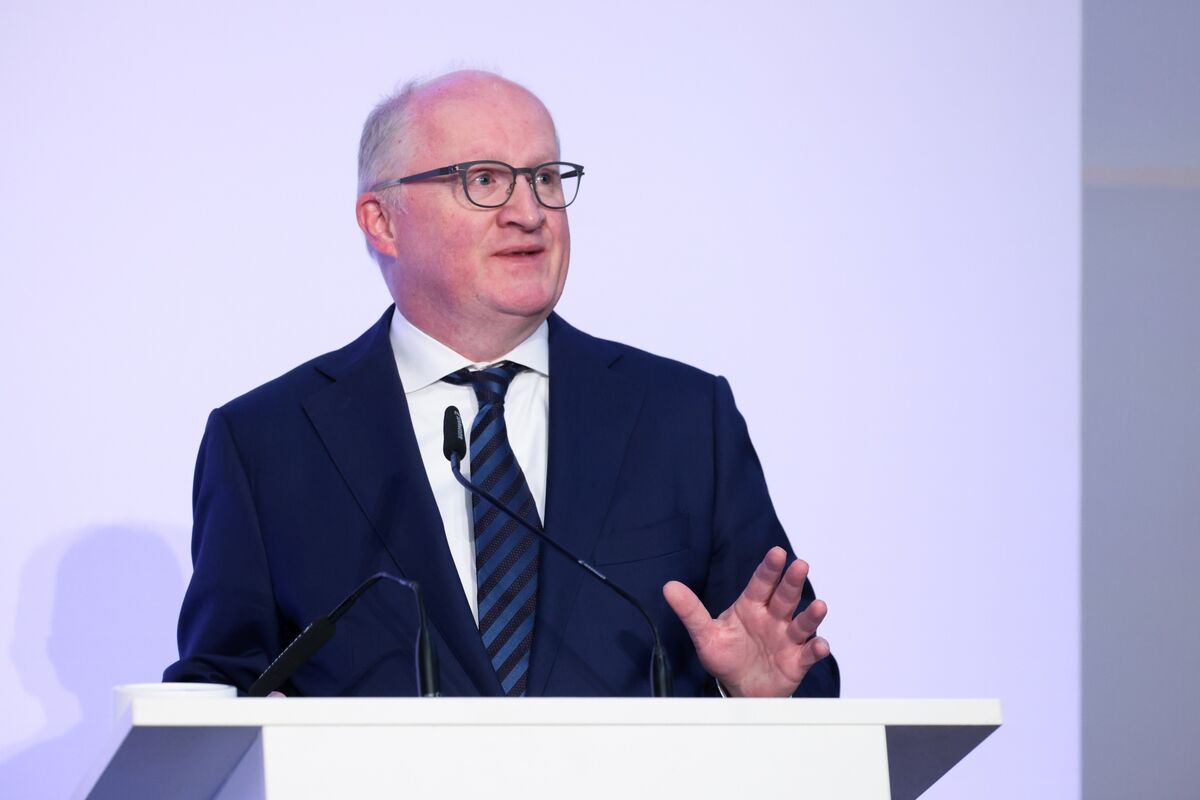
ECB Chief Economist Philip Lane said policymakers will weigh the impact of energy supply shocks on growth and inflation before deciding on a possible rate hike next month. He did not reveal his own view, but signaled that June’s decision will hinge on how the shock affects the inflation outlook and economic activity. The comments reinforce that ECB rate expectations remain data-dependent and could influence euro rates and broader bond markets.
The market implication is less about the headline rate decision and more about the distribution of outcomes for front-end European rates. When a central bank signals that energy is the swing factor, it effectively raises the value of optionality: near-term inflation breakevens can widen on any supply shock, but growth-sensitive assets will still price in a slower terminal rate path if the shock is demand-destructive. That makes the first move in yields potentially noisy, but the second-order move more tradable — especially if policymakers are forced to choose between protecting real incomes and preserving inflation credibility.
Energy is the key transmission channel. A renewed supply shock would support European gas/power prices faster than it lifts headline CPI, which means margins get hit before any inflation pass-through can justify tighter policy. That creates a subtle loser/beneficiary split: industrials, chemicals, transport, and discretionary retailers get squeezed first, while upstream energy, utilities with pass-through mechanisms, and commodity-linked equities gain relative resilience. The competitive dynamic is also important: firms with flexible sourcing, hedges, or pricing power will quietly take share from peers that are more exposed to spot energy costs.
The contrarian read is that the ECB may be more constrained by financial stability and growth fragility than by headline inflation. If markets are currently leaning too hard toward a hawkish June outcome, there is room for a dovish repricing on any evidence that the energy shock is acting as a tax on demand rather than a sustained inflation impulse. The real catalyst window is days to weeks for rates volatility, but 2-6 months for earnings revisions and sector performance. A key reversal trigger would be easing energy prices or clear evidence that core inflation is decelerating despite the shock, which would quickly pull the market back toward cuts rather than hikes.
AI-powered research, real-time alerts, and portfolio analytics for institutional investors.
Request DemoOverall Sentiment
neutral
Sentiment Score
0.00
