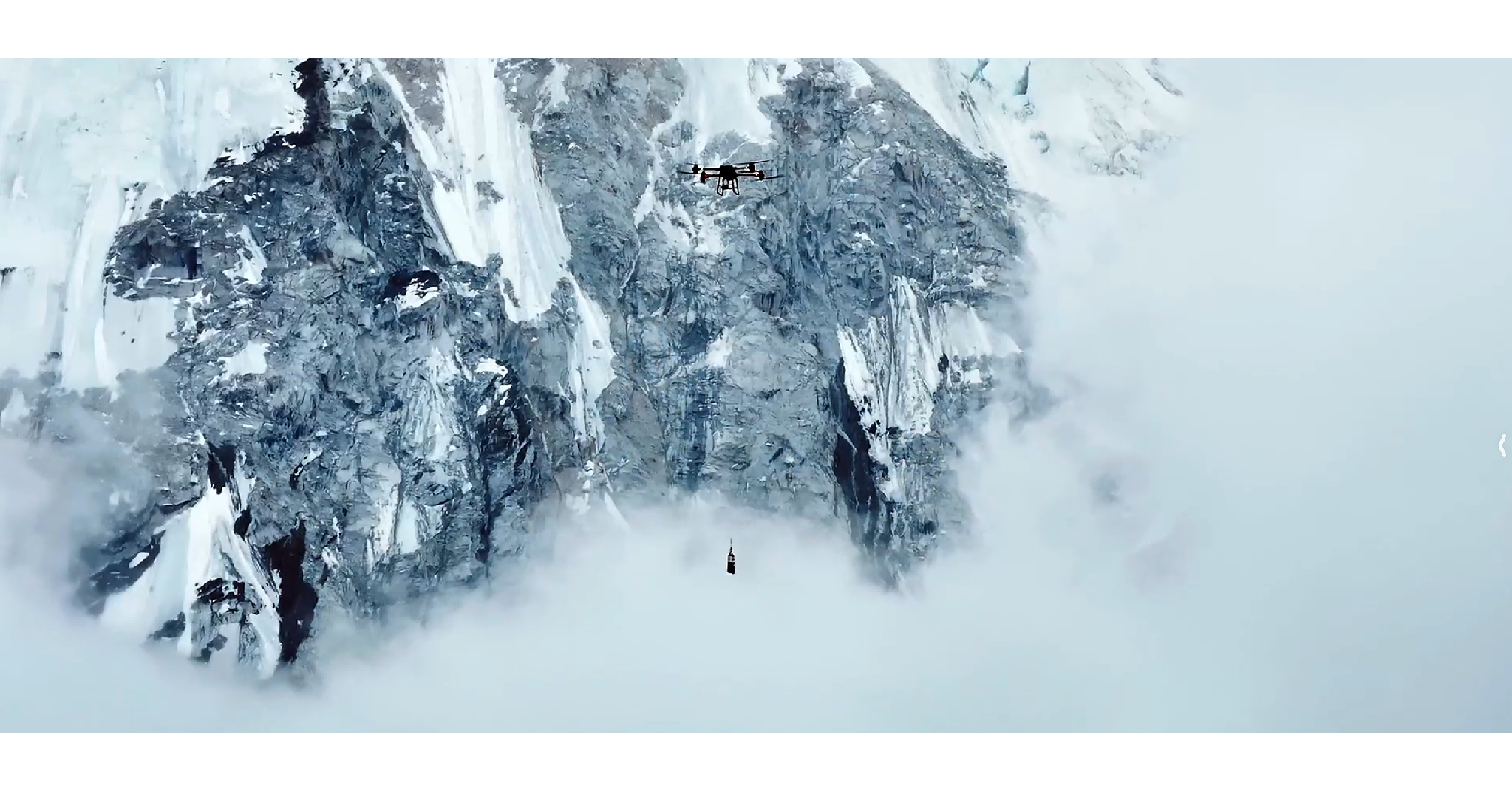
DJI oznámila úspešné dokončenie troch misií na vrchole Čomolangma (Everest), vrátane testu dronu DJI FlyCart 100 pre doručovanie a nakladanie s odpadom: medzi základným táborom a táborom 1 prepravilo spolu 10 073 kg za jednosmerný let pri ~8 minútach (vrátane 7 215 kg horolezeckých potrieb a 2 858 kg odpadu). DJI Matrice 4E zmapoval viac než 3 km² ľadopádu Khumbu na centimetrovej úrovni za <3,5 hodiny pri podmienkach až ~6 450 m a teplotách pod -20 °C. V samostatnom eVTOL teste DJI EV50 12-dňová kampaň umožnila 12 preletov s meraniami ozónu do maximálnej výšky 8 861 m, čím podporila atmosférický a klimatický výskum.
This is a validation event for autonomy, not a cash-flow event. The real market mechanism is that high-altitude, cold-weather logistics are one of the hardest proof points for drone reliability, so this improves the investability of drone-enabled workflows in mining, utilities, emergency response, and remote infrastructure inspection. That said, the near-term revenue impact stays mostly with private operators and niche procurement budgets; public-market beneficiaries are the software, sensing, and autonomy stack rather than the airframe vendor itself.
The first-order loser, if any, is not a named public company but legacy helicopter, survey, and remote-haul service providers that compete on the same use case. The second-order effect is more interesting: if drones can repeatedly replace difficult ground/air missions, demand shifts toward route-planning software, geospatial analytics, batteries, and ruggedized edge compute. For GOOGL, the read-through is only indirect via Maps/Cloud/AI workloads tied to geospatial data; this is optionality, not something that should change estimates in the next quarter.
The contrarian view is that the market may overvalue the symbolism of a headline demo and underweight the friction to scale: permits, insurance, maintenance in extreme weather, operator training, and unit economics outside a showcase environment. Over 1-3 months, watch for actual multi-site procurement or government/NGO contracts; over 6-18 months, the thesis only matters if repeatable deployments emerge in mining, disaster response, or infrastructure inspection. If these use cases fail to show up, the move remains a marketing win rather than a commercial inflection.
AI-powered research, real-time alerts, and portfolio analytics for institutional investors.
Request DemoOverall Sentiment
mildly positive
Sentiment Score
0.25
Ticker Sentiment
