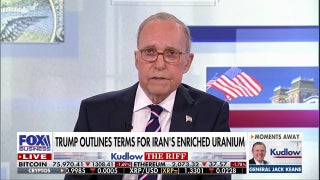
The article centers on the Iran conflict, with claims that the U.S. blockade remains in force until an agreement is certified and signed, while negotiations continue amid threats to the Strait of Hormuz and missile fire. It argues that additional bombing may still be needed to enforce red lines on uranium, missiles, and nuclear capabilities. The geopolitical risk is material and could affect oil markets, shipping lanes, and broader risk sentiment.
The market implication is less about headline war risk and more about persistent supply optionality being forcibly removed. If the negotiating framework holds, the key second-order effect is not an immediate oil spike but a slower repricing of geopolitical risk premia across shipping, insurers, and defense supply chains: underwriters will widen terms before physical flows actually break, and that can hit margins within days. The Strait of Hormuz narrative matters because even a temporary disruption tends to steepen the forward curve more than spot, which benefits longer-dated energy hedges and penalizes refiners with less inventory flexibility.
A more important near-term setup is a bifurcation between beneficiaries of prolonged containment and beneficiaries of escalation. Defense primes and munitions suppliers can see sustained order visibility if the policy regime shifts toward deterrence-by-force, but classic oil beta may be less attractive than names tied to stockpiling, missile defense, ISR, and naval sustainment. The tradeable loser is any asset exposed to lower Middle East risk premium expectations: airlines, chemicals, and industrials with energy-sensitive input costs could outperform if the situation de-escalates, so the market may be overpaying for a one-way inflation shock.
The contrarian view is that the first-order shock has already been priced into crude and defense, while the bigger underappreciated catalyst is diplomatic fatigue. Markets tend to fade military rhetoric after the initial repricing, but every failed ceasefire extension raises the probability of a longer sanctions-and-enforcement regime that is bullish for non-OPEC supply, LNG logistics, and U.S. defense procurement over months, not days. If negotiations extend another 30-60 days without a durable agreement, the trade shifts from crisis beta to persistence beta.
AI-powered research, real-time alerts, and portfolio analytics for institutional investors.
Request DemoOverall Sentiment
moderately negative
Sentiment Score
-0.35
