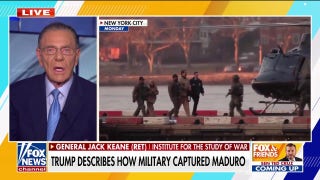
U.S. Marines and Sailors from Joint Task Force Southern Spear, operating with the Department of Homeland Security and launching from the USS Gerald R. Ford, boarded and seized the Motor/Tanker Olina in international waters east of the Caribbean Sea without incident; industry sources and Vanguard reported the vessel was linked to sanctioned Venezuelan oil shipments, last showing AIS activity 52 days ago in the Venezuelan EEZ and reportedly flying the flag of Timor-Leste. The action — the fifth such seizure in recent weeks and coming after a recent U.S. operation in Venezuela — signals stepped-up enforcement against ‘ghost fleet’ tankers, raising enforcement and shipping-risk considerations for traders and insurers of Venezuelan crude with limited direct but potentially short-lived implications for regional oil price volatility.
Market structure: U.S. seizures of tankers tied to Venezuelan oil tighten the marginal supply of heavy/sour barrels that trade via clandestine ship-to-ship routes. Estimate impact: 100–300 kb/d of clandestine flows constrained would put ~0.5–2% upward pressure on global crude balances and could lift Brent/WTI 1–4% in days if seizures continue. Winners: compliant large-cap producers (XOM, CVX) and short-duration oil option holders; losers: shadow traders, flagged tanker owners, insurers and refiners dependent on cheap Venezuelan heavy crude.
Risk assessment: tail risks include escalation (military or cyber retaliation) that could disrupt Caribbean shipping lanes or trigger wider sanctions—scenario could spike oil +10–20% and push tanker insurance/hire rates +20–50%. Time horizons: immediate (48–72 hours) = transient price volatility; short-term (weeks–3 months) = higher freight/insurance premia and legal claims; long-term (quarters) = structurally lower sanctioned Venezuelan exports, benefiting U.S. shale and heavy-crude substitutes. Hidden dependencies: correspondent banks, P&I clubs and flag-of-convenience intermediaries are single points of legal/financial friction.
Trade implications: favor small, tactical long positions in integrated majors (CVX/XOM) and short-dated bullish options on Brent/WTI to capture spikes; selectively long modern tanker owners with clean compliance (Frontline FRO) while avoiding/shorting owners with opaque registries. Use 4–8 week horizons and size volatility trades 0.5–2% of portfolio. Close/take-profit triggers tied to number of seizures (>3 in 30 days) or +8% oil move.
Contrarian angles: market may underprice legal tail risk to tanker equities — recent seizures can cause multi-week downdrafts in suspect owner stocks but create buying windows in clean tonnage. Historical parallel: 2019 Iran enforcement caused short-term VLCC rate spikes then mean reversion over 2–3 months; expect similar pattern unless enforcement becomes sustained. Unintended consequence: stricter enforcement could push illicit flows to longer, costlier routes, increasing freight rates but reducing net supply—benefit for efficient U.S. producers, cost for price-sensitive refiners.
AI-powered research, real-time alerts, and portfolio analytics for institutional investors.
Request DemoOverall Sentiment
neutral
Sentiment Score
0.00
