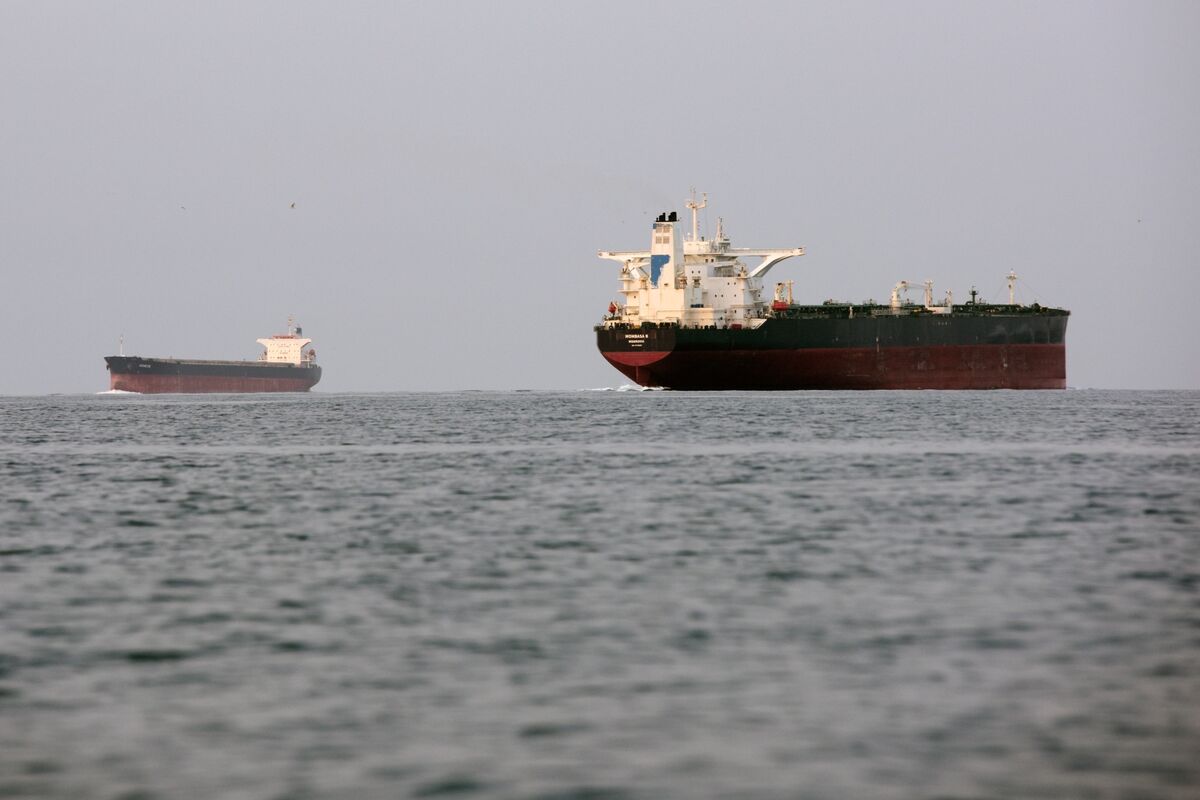
Commercial shipping through the Strait of Hormuz has effectively halted, with no crossings seen on Sunday after at least 13 oil tankers turned back on Saturday. The disruption follows gunfire incidents in the waterway and Iranian warnings against crossings, raising the risk of a major chokepoint for global energy flows. The situation is likely to pressure oil markets and heighten broader geopolitical risk sentiment.
The market is underpricing how quickly a partial shipping disruption in Hormuz can mutate from a headline risk into a real inventory problem. Even a short-lived halt in commercial transits tightens prompt physical crude availability first, then distorts freight, insurance, and tanker utilization — a sequence that tends to hit refiners and product markets with a lag of days to weeks, not hours. The second-order winner is not just upstream energy; it is anything with optionality on volatility and dislocation, especially owners of ships not exposed to the chokepoint and producers with near-term export flexibility.
The more important risk is that the bottleneck is asymmetric: reopening does not instantly normalize flows because charterers, insurers, and captains will require proof of stability before re-entering. That creates a path where spot rates and war-risk premiums remain elevated even if the waterway is technically open, which can keep delivered crude and LNG prices bid for several weeks. If market participants start rebuilding inventories, the impact can spill into refined products and jet fuel fastest because those are the least forgiving to transport interruptions.
Consensus may focus too much on the crude price spike and not enough on the plumbing of global logistics. The underappreciated losers are import-heavy refiners, airlines, chemical producers, and Asian utilities that are more exposed to delivered-energy costs than to front-month Brent itself; their margins can compress before oil producers fully re-rate. Conversely, the move may be overdone if diplomatic signaling quickly reduces perceived closure risk, but the burden of proof is now on shipping data rather than rhetoric, which makes fade-the-spike trades dangerous until transits normalize for multiple sessions.
From a timing perspective, this is a days-to-weeks trade for event-driven positioning, but the tail risk extends months if shipowners reprice geopolitical risk permanently for the route. A sustained disruption would also force a broader portfolio de-risking via higher inflation expectations, firmer rates, and weaker cyclicals. That makes this less a pure energy call and more a cross-asset volatility regime shift if the chokepoint remains effectively impaired.
AI-powered research, real-time alerts, and portfolio analytics for institutional investors.
Request DemoOverall Sentiment
strongly negative
Sentiment Score
-0.75
