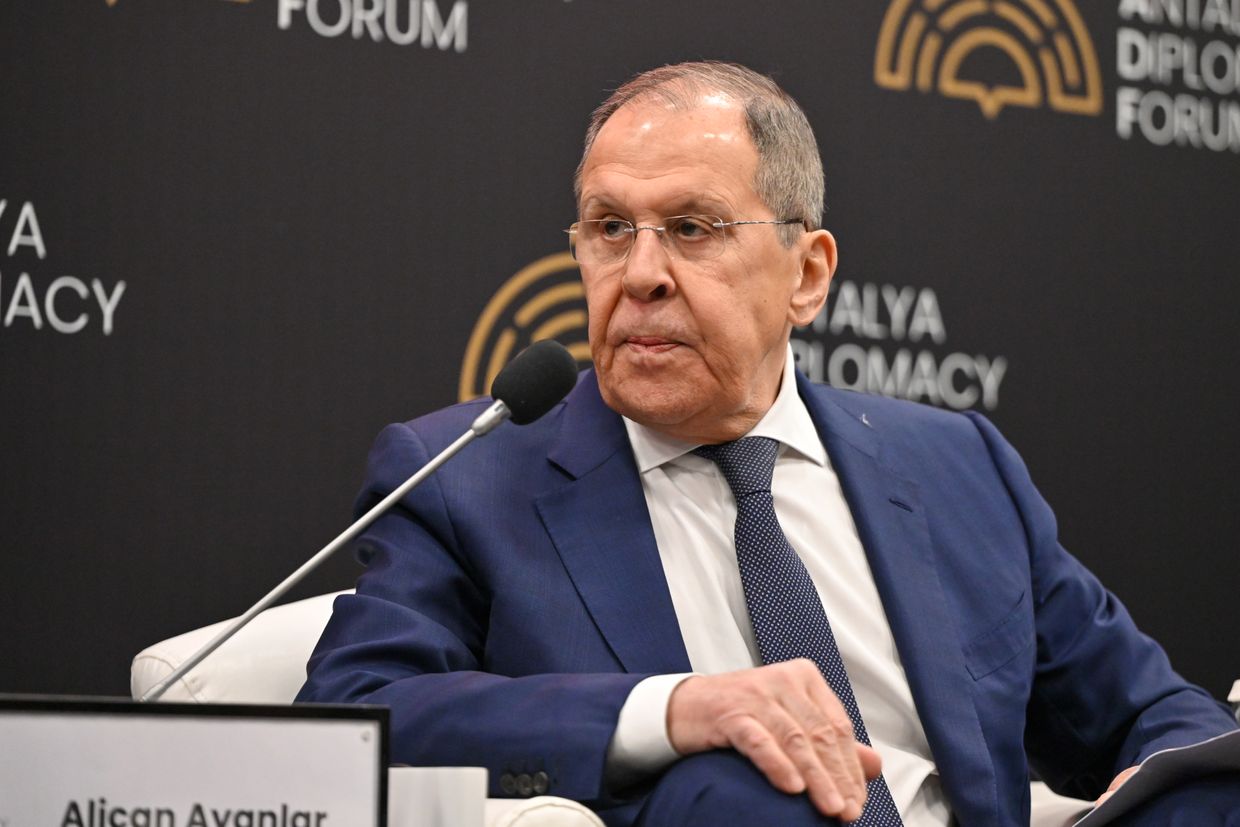
Russian Foreign Minister Lavrov stated on May 21 that Moscow is no longer interested in ceasefire negotiations with Ukraine, insisting on resolving the "root causes" of the war first, following failed negotiations since February 2022. This stance follows Russia's rejection of a proposed 30-day truce and President Putin's insistence on negotiating a "memorandum regarding a potential future peace treaty," as conveyed to President Trump, who reportedly seemed "relatively content" with Putin's position. Russia's delegation to peace talks on May 16 consisted of low-level officials and reiterated maximalist demands, signaling a lack of progress in negotiations.
Russian Foreign Minister Sergey Lavrov's statement on May 21 confirms Moscow's disinterest in immediate ceasefire negotiations, emphasizing the need to resolve "root causes" of the conflict stemming from failed talks since February 2022. This stance reinforces Russia's rejection of a U.S.-led 30-day truce, reportedly proposed by U.S. President Donald Trump in March, and aligns with President Putin's insistence on negotiating a "memorandum regarding a potential future peace treaty" during a May 19 call with Trump. The Wall Street Journal reported Putin believes he is winning the war, a perspective with which Trump was reportedly "relatively content," according to Axios. Russia's approach to recent peace talks on May 16, characterized by a low-level delegation led by Putin's aide Vladimir Medinsky and the reiteration of maximalist demands including territorial concessions from Ukraine, signals a lack of commitment to de-escalation. The absence of both Putin and Lavrov from these talks further underscores this position. Lavrov's accusations that European leaders are pushing Trump to tighten sanctions suggest an anticipation of continued economic pressure. The overall situation, marked by strongly negative sentiment and a high market impact score of 0.75, points to prolonged geopolitical instability and heightened risk in related markets, with significant implications for the themes of Geopolitics & War and Sanctions & Export Controls.
AI-powered research, real-time alerts, and portfolio analytics for institutional investors.
Request DemoOverall Sentiment
strongly negative
Sentiment Score
-0.70
