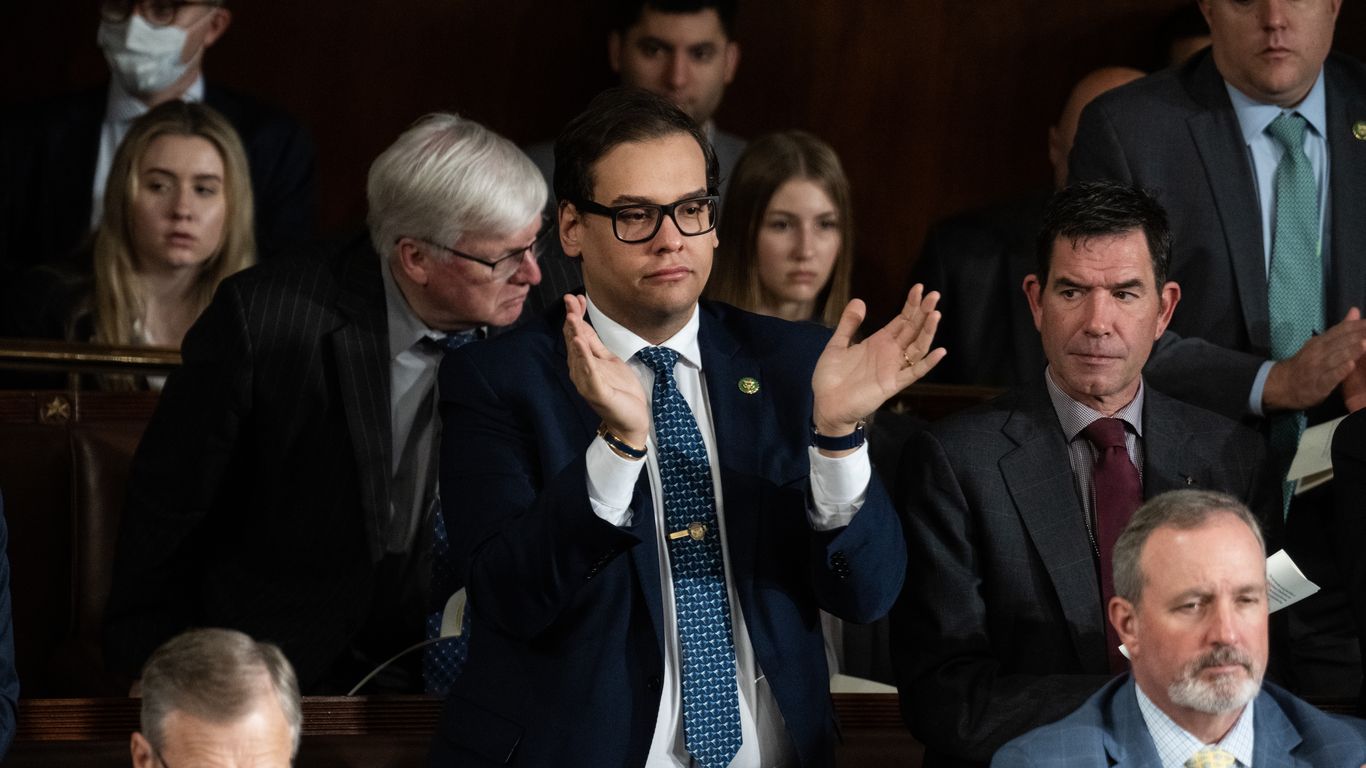
Rep. Sheila Cherfilus-McCormick resigned just before the House Ethics Committee was set to recommend sanctions over allegations including misallocated $5 million in COVID funds and an ongoing criminal indictment. The episode is fueling Democratic backlash over due process after George Santos's 2023 expulsion, with some lawmakers now openly regretting that vote and others wary of moving against Rep. Cory Mills before his ethics review concludes. The debate underscores heightened caution around expulsion standards and congressional governance, but it is unlikely to have direct market impact.
The marketable signal here is not the ethics case itself, but the erosion of procedural consensus inside the governing coalition. Once both parties start viewing expulsion as a partisan weapon rather than a narrow misconduct remedy, the House increases the probability of drawn-out investigations, failed motions, and retaliatory escalation. That raises the expected value of institutional dysfunction over the next 3-12 months, which matters for any policy-sensitive names that trade on legislative throughput rather than ideology.
Second-order effect: the precedent problem makes vulnerable members more likely to cling to office, because resignation no longer guarantees reputational protection and may be read as admission. That shifts the balance toward slower, messier removals and more headline risk around ethics committees, caucus discipline, and leadership authority. The near-term catalyst is any privileged motion or public whip count; a narrow or failed vote would be read as evidence that Congress has lost the ability to police itself, extending the duration of the issue beyond this single case.
The contrarian takeaway is that the overreaction risk is bigger than the direct governance risk. Investors may be tempted to fade all political-uncertainty headlines, but the real opportunity is in volatility rather than directional equity exposure: if expulsion becomes harder, scandal-driven headlines become more frequent but less decisive. That tends to suppress confidence in small-cap government-adjacent contractors, lobby-exposed sectors, and legislative beneficiaries without creating a clean macro downtrend.
The main reversal mechanism is a clean due-process reform narrative: if leadership defines a higher evidentiary bar or standardizes an internal ethics pathway, the market impact fades quickly. Absent that, the issue should remain a recurring catalyst every time another member is accused of misconduct, with a meaningful chance of spillover into the next election cycle and committee chairmanship fights.
AI-powered research, real-time alerts, and portfolio analytics for institutional investors.
Request TrialOverall Sentiment
mildly negative
Sentiment Score
-0.15
