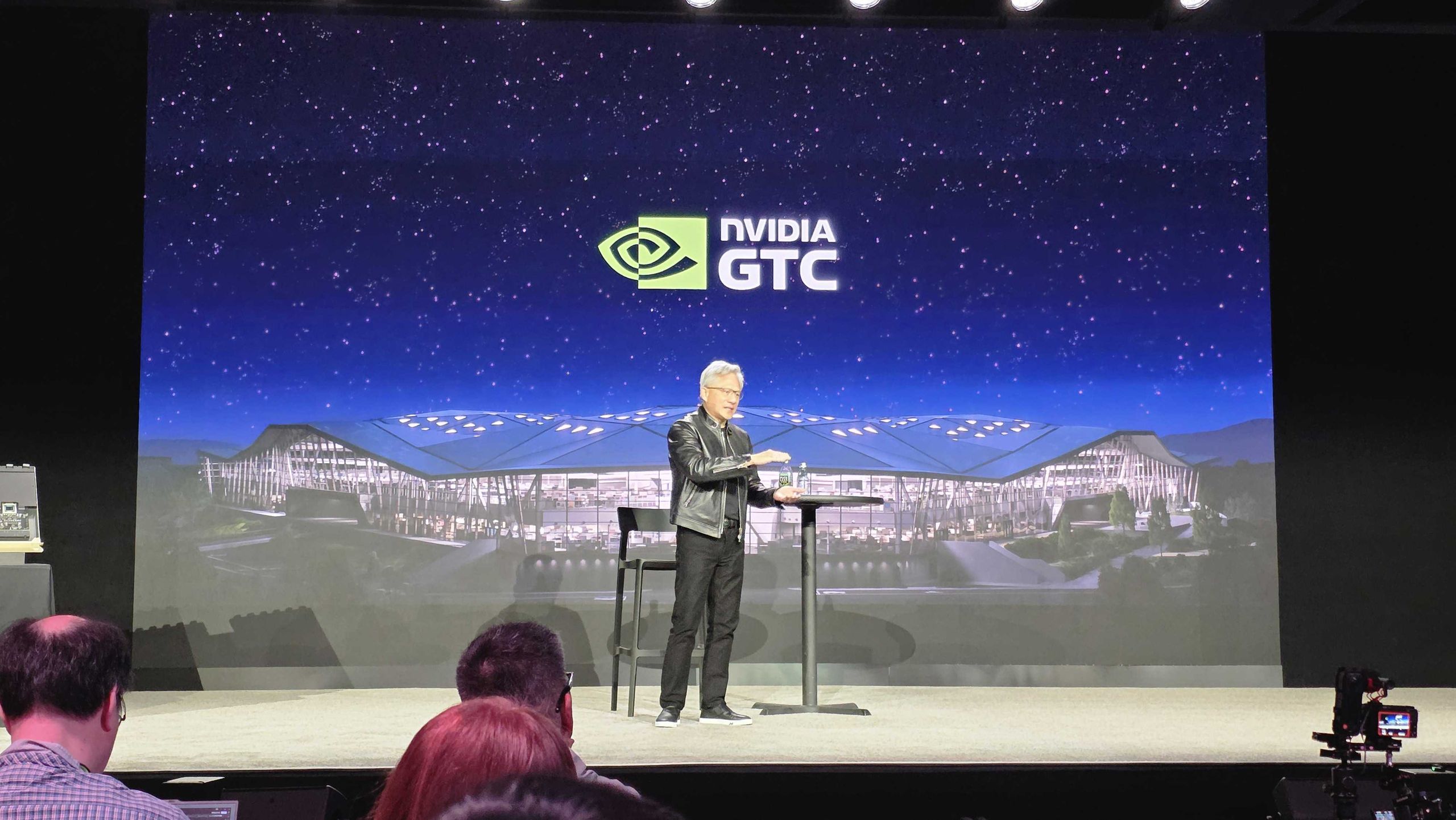
DLSS 5, Nvidia’s generative neural-rendering feature set to launch in the fall, drew vocal gamer backlash over changed character visuals (notably in Resident Evil Requiem). CEO Jensen Huang publicly rebutted critics at GTC 2026, emphasizing developer control over generative adjustments and saying DLSS 5 augments geometry without removing artistic control. The episode presents short-term PR/noise risk among core gamers but contains limited near-term financial implications absent adoption or technical reversals.
Nvidia’s move to bake generative control into the rendering stack creates a durable product moat beyond silicon — but the real optionality is in capture of developer tooling and services (SDK integrations, training pipelines, consulting). Expect higher ASPs for differentiated GPU SKUs only if adoption is broad; otherwise the company still earns value by monetizing middleware and professional services. Hardware suppliers (advanced node foundries, HBM/DRAM vendors) are incremental beneficiaries as software-led features increase compute+memory requirements per box.
The adoption path is non-linear and developer-constrained: studios that lack in-house art/AI teams will outsource integration, creating a high-margin services adjacancy for platform providers and bigger publishers. Conversely, friction (developer workload, consumer pushback) can materially delay enablement — a modest miss in first-year adoption (e.g., enablement rates 20–30 percentage points below consensus) maps to a single-digit percent downside to gaming-related revenue and keeps upgrade cycles elongated. Watch developer tooling partners and license economics as leading indicators; enterprise deals and map-to-revenue lengthen the monetization curve to multiple quarters.
Consensus treats this as an unalloyed moat extension; the contrarian angle is that the community backlash and calls for open standards could accelerate multi-vendor SDKs, which would democratize the capability and compress platform capture. That pathway benefits middleware and cloud infra players more than discrete GPU share gains. Near-term catalysts that change direction are (1) wide third-party engine adoption vs concentrated integrations, (2) high-profile developer refusals or pivots, and (3) any regulatory/industry push for interoperability or content-governance standards.
AI-powered research, real-time alerts, and portfolio analytics for institutional investors.
Request DemoOverall Sentiment
neutral
Sentiment Score
0.05
Ticker Sentiment
