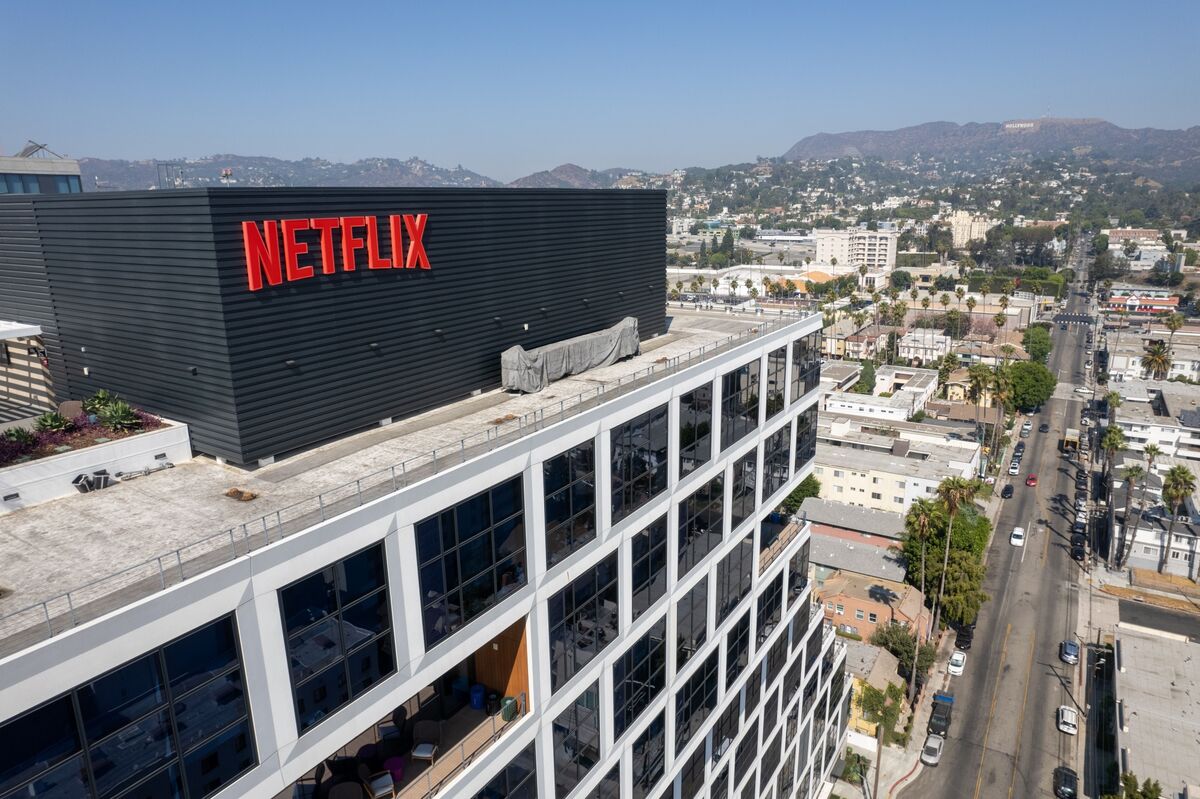
Netflix agreed to acquire Warner Bros. Discovery in a cash-and-stock transaction valued at $82.7 billion, reportedly ending a bidding contest that had been initiated by Paramount. The deal is large enough to reshape the media landscape and will face regulatory scrutiny, so investors should monitor antitrust review outcomes, transaction financing details and potential balance-sheet and synergy impacts for both companies.
Market structure: Netflix acquiring Warner Bros. (deal value ~$82.7B) meaningfully consolidates premium scripted + sports/unscripted IP under a single global streamer, boosting NFLX content margin and potential ARPU lift of ~5–15% over 12–24 months if pricing/premium tiers are implemented. Direct winners: NFLX (scale, pricing power), WBD shareholders (takeover premium); losers: traditional distributors/peercable like CMCSA and standalone ad-driven platforms that face higher churn and content cost pressure.
Risk assessment: Principal tail risks are regulatory blocking (US/EU antitrust action within 6–18 months) and financing dilution (equity issuance >10% or leverage spike pushing net debt/EBITDA >3x). Short-term (days–weeks) expect elevated implied vol for NFLX/WBD and wider credit spreads; medium-term (3–12 months) integration and licensing fights could cause +/-20–40% equity moves; long-term (2–5 years) outcome depends on realized synergies and price elasticity of higher ARPU.
Trade implications: Favor event-driven, hedged exposure: capture upside via defined-cost option structures on NFLX and tactical arbitrage on WBD while shorting vulnerable cable distributors (CMCSA) or buying protection on them. Cross-asset: expect widening of high-yield spreads for media producers, flattening in USD if Netflix issues large equity vs debt — FX and commodity impacts should be muted but media-capex suppliers (tech hardware) see order shifts.
Contrarian/second-order: Consensus understates integration complexity—AT&T/WarnerMedia and Disney/Fox integrations show ~18–36 month value ambiguity and frequent restructurings. Antitrust risk is underpriced if regulators focus on content gatekeeping; also, Netflix may cut third-party licensing, hurting smaller streamers and generating reseller backlash that could accelerate subscriber consolidation or regulatory scrutiny.
AI-powered research, real-time alerts, and portfolio analytics for institutional investors.
Request DemoOverall Sentiment
mildly positive
Sentiment Score
0.25
Ticker Sentiment
