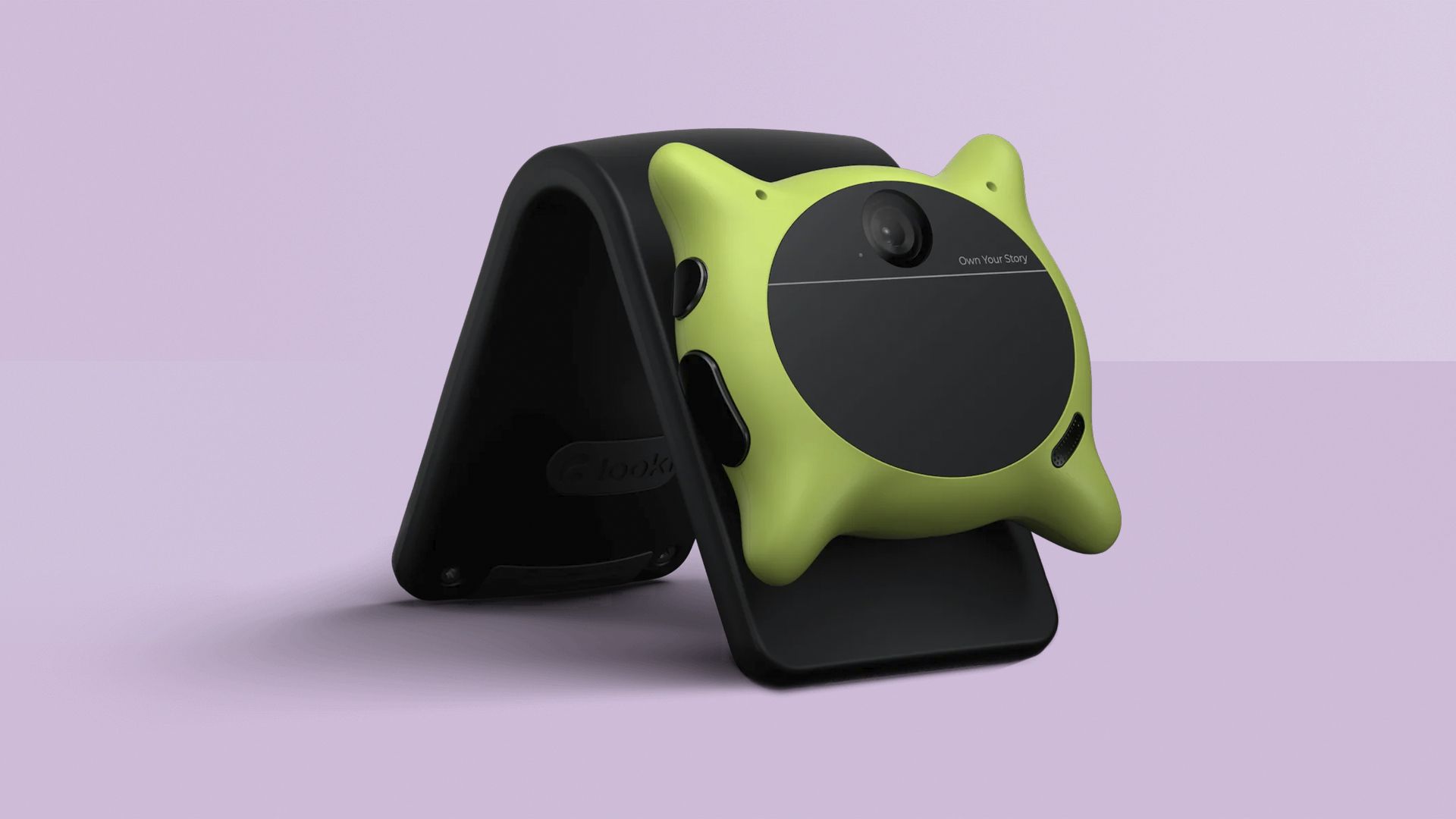
Looki unveiled the L1, a $199 AI wearable camera positioned as a ’second brain’ that passively records context-aware audio, vision and motion with up to 12 hours battery and 32GB onboard storage. The device processes data locally for up to five days and uploads user-approved content to AWS in-region, with features like an Expo Mode for automatic meeting recaps and follow-ups; Looki emphasizes filtering of “sensitive scenes” though independent verification is pending. Priced to be broadly accessible to travellers, creators and consumers wanting memory offload, commercial uptake will hinge on real-world utility, user consent norms, and how privacy/etiquette concerns are resolved.
Market structure: Low-cost ($199) AI wearables commoditize a category that previously targeted premium margins (Humane, Rabbit), creating winners in cloud storage (AWS/AMZN) and low-power vision SoC suppliers (Ambarella/AMBA, Qualcomm/QCOM) if volumes scale above ~500k units/yr. Downstream losers include premium hardware with weak UX and startups facing regulatory/legal costs; expect pricing pressure that could compress ASPs by 10–30% for non-differentiated wearables within 12–24 months. Supply/demand: NAND/flash and camera-sensor supply could tighten modestly if adoption accelerates, lifting spot memory prices by mid-single digits in 6–12 months.
Risk assessment: Tail risks include EU/UK privacy fines (GDPR penalties up to 4% of turnover) and venue-level bans that could erase TAM regionally; product recalls or data breaches could reduce demand by >30% for early entrants. Time horizons: immediate CES visibility (0–30 days), independent reviews/teardowns (30–90 days) that will materially re-rate hardware names, and ecosystem effects on cloud/semis over 12–36 months. Hidden dependencies: Looki’s reliance on AWS region contracts, model-update pipelines and flash suppliers; regulatory guidance and metadata handling are second-order determinants of adoption. Catalysts: CES demos, pre-order cadence, and any early regulatory statements (0–90 days).
Trade implications: Direct plays favor cloud infra (AMZN) and specialist semis (AMBA/QCOM) with small, staged allocations; cybersecurity vendors (CRWD) should benefit if regulation forces enterprise-grade controls. Options: use 6–12 month calls to lever upside around CES and first reviews; if implied vol spikes post-demo, consider selling premium into that spike. Sector rotation: overweight Cloud/Cloud Security/Semiconductors, underweight consumer discretionary retail ETF (XRT) exposure to low-margin hardware names; trim on 15–30% rallies.
Contrarian angles: Market may underprice the long-tail revenue from cloud storage+services tied to low-cost devices — 1M units/year would be a meaningful incremental revenue stream for AWS (est. $15–30m ARR at $15–30/user/year). Conversely, consensus may be complacent on regulatory risk; a single EU enforcement action could re-rate the space by >20%. Historical parallels: action cameras and smart speakers show low ASP can seed high-margin services later; unintended consequence: stricter privacy rules could accelerate demand for enterprise-grade security vendors, not consumer hardware vendors.
AI-powered research, real-time alerts, and portfolio analytics for institutional investors.
Request DemoOverall Sentiment
neutral
Sentiment Score
0.12
Ticker Sentiment
