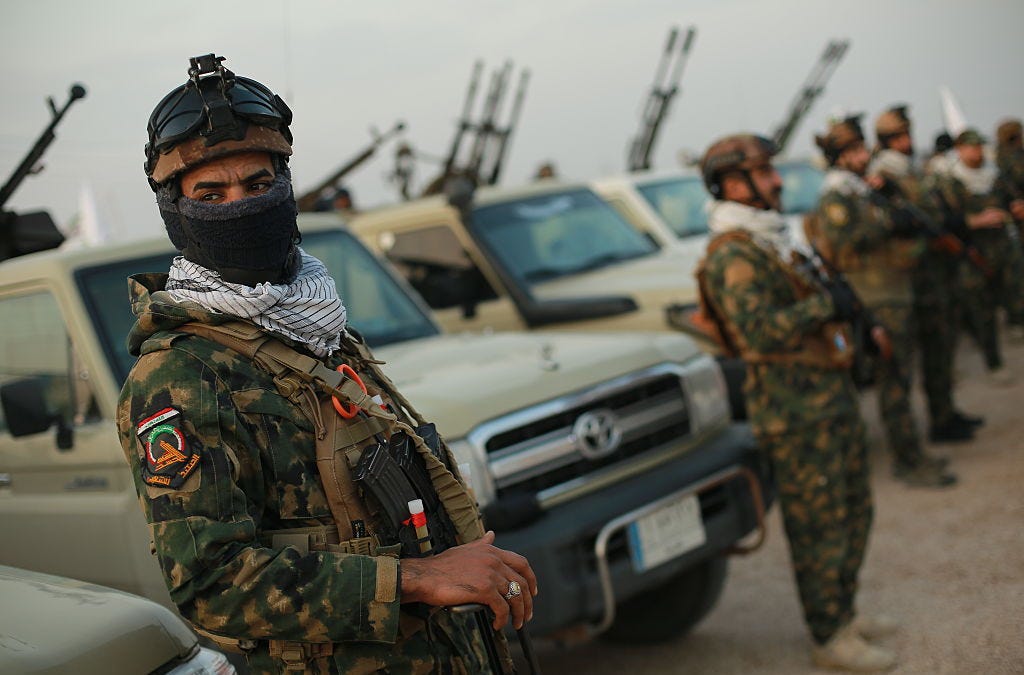
Iran-backed militias in Iraq have carried out more than 700 attacks on the Kurdistan region, U.S. bases, and civilian and energy infrastructure in Gulf states, according to the article. The violence has killed 16 people and injured more than 90, with drone strikes reported against the Kuwaiti and Emirati consulates. The escalation raises regional security risk and could weigh on energy infrastructure and broader Middle East market sentiment.
This is less a headline about isolated militia activity than an argument for a higher persistent regional security premium. The market usually prices these episodes as short-lived “geo shocks,” but the more important second-order effect is that repeated, low-cost harassment raises the expected operating cost for every energy, logistics, and industrial asset in the Gulf even without a formal state-to-state escalation. That means the impact is likely to show up first in insurance, rerouting, security spend, and capex delay, then later in a wider risk discount on Gulf-linked EM assets.
The biggest near-term loser is any business model dependent on frictionless Gulf throughput: refiners, shipping, port services, and contractors with meaningful exposure to Iraq/Kurdistan and the wider GCC. The asymmetry is that the attackers do not need to hit export terminals to matter; a sustained campaign against consulates, bases, and civilian infrastructure is enough to force higher force-protection spending and create decision latency for foreign capital. That is particularly damaging to frontier and quasi-sovereign projects where a small increase in perceived sovereign risk can defer financing or widen spreads materially.
The catalyst path is measured in weeks to months, not days: if attacks remain frequent and Baghdad stays unable or unwilling to suppress the militias, expect a gradual repricing in Gulf risk assets rather than a single selloff. The main reversal would be either a visible Iraqi crackdown or a broader de-escalation in the Iran channel; absent that, the risk premium can persist and even compound as insurers and operators re-underwrite the region. The contrarian point is that the immediate headline may overstate direct disruption to global oil supply, but understate the cumulative impact on investment allocation and project timelines across the Gulf.
From a portfolio perspective, this is more actionable as a relative-value and optionality setup than a blunt macro short. The best trade is to own defense and energy-security winners while fading assets most exposed to Gulf operational friction, especially where valuation does not reflect chronic security drag. If the market treats this as transient, there is room for the risk premium to expand further before any material supply interruption is required.
AI-powered research, real-time alerts, and portfolio analytics for institutional investors.
Request TrialOverall Sentiment
strongly negative
Sentiment Score
-0.55
