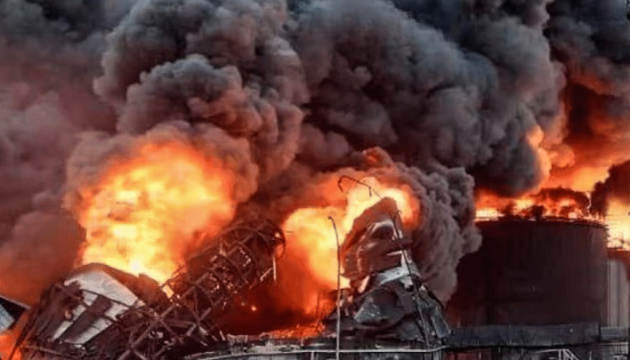
Ukraine says it struck the Volgograd oil refinery, a Lukoil asset processing around 14 million tonnes of oil a year, and halted production after fires hit primary and secondary units. It also reported a confirmed hit and fire at the Yaroslavl-3 oil pumping station, part of Transneft's pipeline network, with two large oil reservoirs reportedly burning. The attacks add fresh disruption risk to Russian energy infrastructure and could affect regional fuel supply and logistics.
This is less about one-off battlefield damage and more about a growing “throughput tax” on Russia’s domestic energy system. Repeated hits on refining and pumping assets force the market to price in a higher probability of intermittent product shortages, rerouting, and emergency logistics costs, which is typically more inflationary for diesel and jet fuel than for headline crude. The second-order effect is that Russia can still move some barrels, but it loses value capture at the refining and export-node level, compressing state and quasi-state cash flow even if upstream production holds up in the near term.
The most important market implication is regional distillate tightness. If refinery downtime persists even for days to weeks, Russia likely compensates by diverting more crude to export and importing more refined products from nearby markets where possible, tightening Baltic and Black Sea logistics and supporting crack spreads outside Russia. That matters for European refiners, product shippers, and anyone exposed to diesel/jet margins; the disruption is more constructive for non-Russian refining capacity than for outright crude prices, unless the attacks start affecting pipeline integrity or broader export availability.
The catalyst path is asymmetric: a single successful repair cycle would cap the move, but repeated strikes create a compounding maintenance burden and higher insurance/security costs over months. The key tail risk is escalation into persistent regional fuel shortages or export bottlenecks, which would make this less a military headline and more a supply-chain event. The contrarian view is that crude may not rally much because markets have become conditioned to Ukrainian drone attacks and global spare capacity is not zero; the real mispricing is likely in product differentials, not Brent beta.
AI-powered research, real-time alerts, and portfolio analytics for institutional investors.
Request TrialOverall Sentiment
strongly negative
Sentiment Score
-0.55
