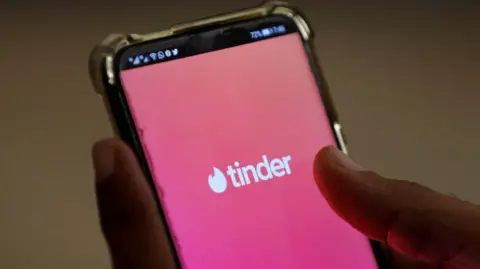
World unveiled a new World ID app and partnerships with Tinder and Zoom to let users verify they are human via iris scans, positioning the service as a response to rising AI-driven bots and deepfakes. The company says 18 million people have been verified and have used the verification 450 million times. The news is strategically positive for World and relevant to identity verification, but it is largely a product and partnership announcement rather than a near-term market-moving event.
This is less a product feature than a trust-layer arms race, and it likely helps the largest platforms before it helps the identity vendor. For MTCH, optional human verification is a modest positive because it lowers scam density and improves conversion quality, but it also raises friction in onboarding; the net effect should be better paid-user retention than top-line acceleration. In other words, this is a safety upgrade that supports pricing power more than raw user growth.
The second-order winner is any platform whose business model depends on identity-sensitive interactions, because the marginal cost of fraud is now becoming an operating-line item rather than an abstract reputation risk. If “proof of humanity” gains enough acceptance, smaller dating, gig, and community apps may be forced into a costly verification stack or accept a worse trust environment, widening the moat for incumbents with distribution and compliance budgets. That creates an interesting asymmetry: the value accrues to platforms that can selectively require verification without killing funnel conversion.
The contrarian view is that this could backfire if consumers perceive biometric verification as invasive or if a notable privacy incident hits the ecosystem. A single security failure would likely delay adoption by 6-12 months and force platforms back to softer controls like video selfies and device reputation scoring. There is also a durability question: deepfake quality is improving faster than identity proofs can scale, so the market may be underestimating how quickly today’s “human badge” becomes table stakes rather than a differentiated feature.
For MTCH, the near-term catalyst is sentiment, not earnings: this should reduce scam-related churn narratives and support multiples if management frames it as trust-led monetization. The risk/reward is better in the sector than in the verification vendor because the platforms capture the operating leverage while the vendor faces adoption, regulatory, and privacy overhangs.
AI-powered research, real-time alerts, and portfolio analytics for institutional investors.
Request DemoOverall Sentiment
neutral
Sentiment Score
0.10
Ticker Sentiment
