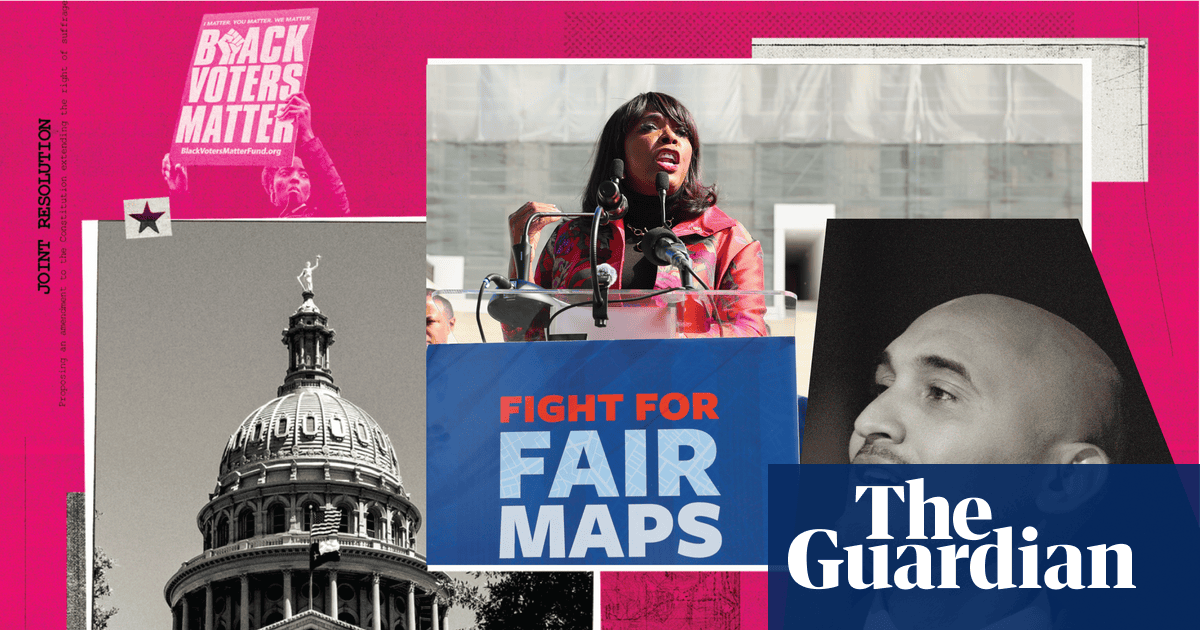
The Supreme Court’s 6-3 Louisiana v. Callais ruling weakens Section 2 of the Voting Rights Act and puts Alabama’s two majority-Black congressional districts at risk, with possible redraws after the 2026 midterms and ahead of 2028. Representatives Terri Sewell and Shomari Figures said the decision threatens not only congressional representation but also state and local elected offices across the South. The ruling could trigger broader litigation and redistricting fights, making it a significant political and legal shock.
This is not an immediate earnings event, but a medium-duration regime shift for southern political power structures. The investable implication is that state-level regulatory and procurement priorities in AL, LA, MS, GA, TX and SC can become more reliably one-party, increasing the odds of policy continuity on tax abatements, industrial siting, prison/education budgeting, and infrastructure allocation. That is supportive for incumbents with existing local footprints, but it also raises the probability of more frequent litigation, ballot-access disputes, and activist-driven governance risk around the 2026–2028 cycle.
The first-order market read is obvious: heightened polarization tends to benefit firms that monetize government relations, legal defense, and compliance complexity, while hurting businesses that depend on stable voting access and broad-based consumer turnout. The second-order effect is on municipal and county-level capital planning: if districting drives turnover in local offices, projects tied to school boards, transit authorities, and county commissions can face longer approval timelines and more bid uncertainty, particularly in majority-Black geographies. That creates a subtle headwind for small-cap regional contractors and a tailwind for larger firms with diversified public-sector backlogs.
The timing matters. Nothing changes for the next few months operationally, but the 2026 map cycle is the catalyst window; 2028 is when representation and spending priorities could start to show up in budget outcomes. The main reversal risk is federal legislation or a future court remedy, but that is a low-probability, multi-quarter process unless there is a rapid political response. In the interim, the trade is less about direct election outcomes and more about pricing an increase in governance friction, legal spend, and local policy volatility.
The consensus may be underestimating how much this strengthens the demand for election-adjacent services and legal/compliance capacity. Even if the political outcome is seen as bearish for democracy, it can be bullish for the ecosystem around disputes, redistricting, ballot verification, and government-relations spending. The underappreciated winner is not a single sector but a basket of companies with recurring revenue tied to public administration complexity.
AI-powered research, real-time alerts, and portfolio analytics for institutional investors.
Request DemoOverall Sentiment
strongly negative
Sentiment Score
-0.55
