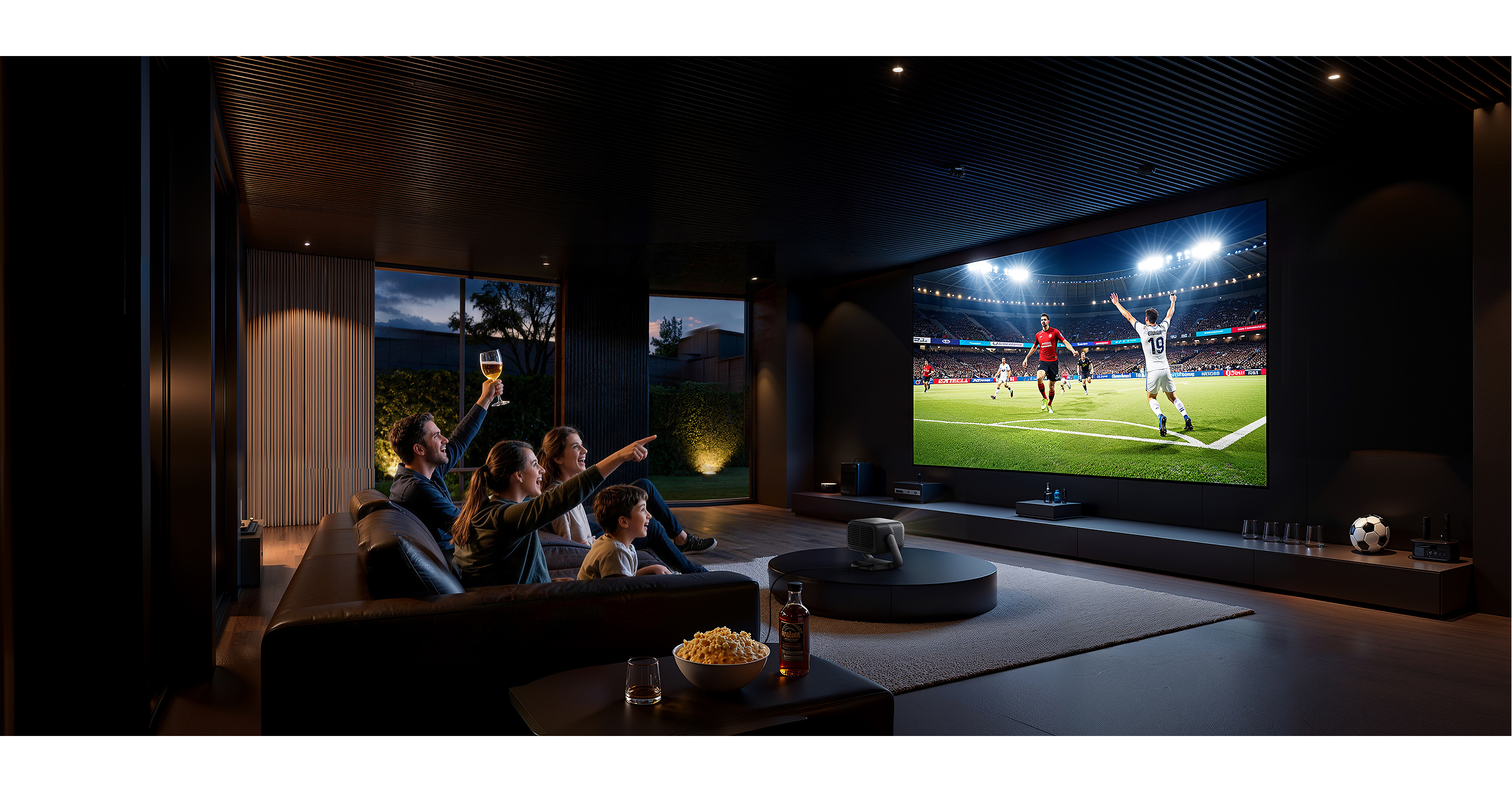
JMGO is running a limited-time promotion through July 19 on its 4K projector lineup tied to the tournament final, including 20% off the N3 Ultimate to $2,159 (with an extra 10% code) and ~46% off both the N1S 4K to $699 (from $1,299) and the N1S Ultimate to $1,499 (from $2,799). The article emphasizes improved viewing ease via optical/AI gimbal features and high-lumen triple-laser performance, but provides no company earnings or broader market catalysts. Overall, this is a retail/consumer incentive likely to support short-term unit demand rather than materially move markets.
This reads less like a demand inflection and more like a channel-clearing event in a niche discretionary category. The only meaningful listed-company read-through is Amazon: if the sale moves units, Amazon earns the transaction toll and maybe some high-margin accessory attach, but the dollar pool is too small to matter to group revenue. For GOOGL, the embedded Google TV license is the cleaner structural winner: every installed device expands the distribution footprint for the living-room operating system, even if near-term monetization is de minimis.
The second-order signal is more important than the promotion itself: premium projector brands are competing on discount depth rather than product scarcity, which implies weaker pricing power and a shorter replacement cycle than the branding suggests. That is mildly negative for adjacent consumer-electronics hardware names with any home-theater exposure, and it suggests the category’s growth is promotion-driven, not secularly captive. NFLX is only an indirect beneficiary via more screens in the home, but that is engagement support, not a measurable subscriber catalyst.
Time horizon matters: this is a days-to-weeks retail pulse, not a months-to-years thesis. The trade reverses quickly if Amazon category rank data or Google TV device activation data fail to show a visible bump once the promo window ends. The contrarian view is that the market may overread these commerce promotions as a sign of healthy discretionary demand; in reality, heavy discounting often means the seller needs to pull demand forward, which is more bearish for margins than bullish for volume.
AI-powered research, real-time alerts, and portfolio analytics for institutional investors.
Overall Sentiment
mildly positive
Sentiment Score
0.20
Ticker Sentiment
