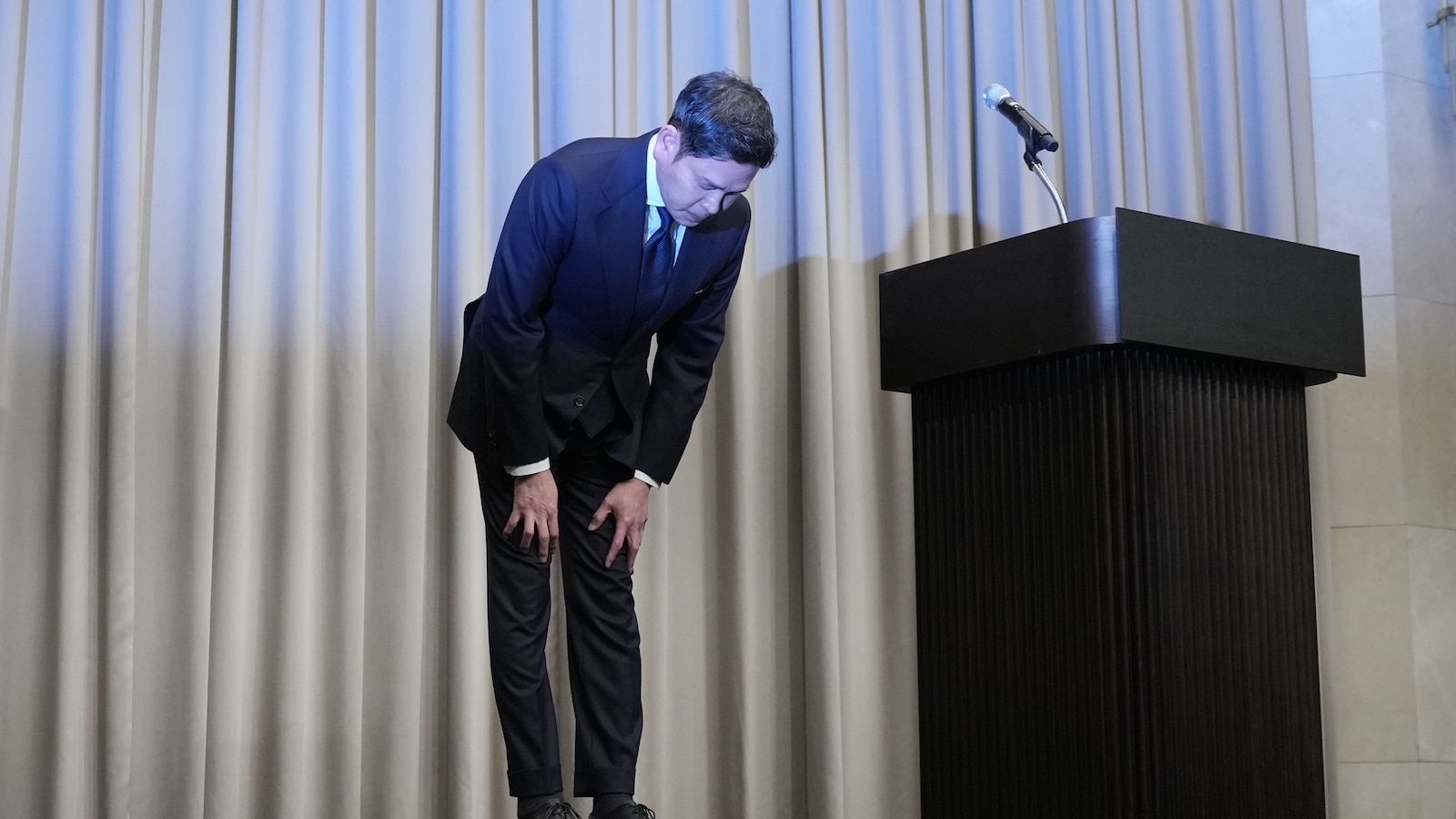
Starbucks Korea is facing a severe public backlash after a marketing campaign was widely perceived as mocking the 1980 Gwangju massacre, prompting a second apology from Shinsegae chairman Chung Yong-jin, the firing of Starbucks Korea's CEO, and a police investigation. The company canceled the promotion within hours and is now confronting boycott calls and government criticism over its "anti-historical behavior." The issue is primarily reputational and governance-related, with limited direct market-wide impact but potential pressure on local retail sales and brand equity.
This is not a typical brand-slap event; it is a governance and political-risk repricing that can outlive the campaign itself. The key second-order effect is not a near-term traffic hit at Korean stores, but a higher discount rate on the local franchise’s earnings stream as management credibility, labor relations, and regulator tolerance all deteriorate at once. In a market where consumer brands rely on social permission as much as store count, the damage can compound through boycotts, employee churn, and more conservative local merchandising decisions over the next 1-3 quarters.
The most important loser is the local partner structure, not the global brand. If Seoul authorities or public institutions continue signaling disapproval, Starbucks Korea may face weaker event catering, slower premium product uptake, and potentially higher compliance costs around approvals and ad review—small line items individually, but material when they hit a high-margin retail model. Competitors with locally controlled branding and less perceived foreign-style corporate insensitivity should see a relative lift in traffic and sentiment, especially domestic coffee chains and convenience-store coffee formats that can absorb switching customers quickly.
The overhang can also bleed into corporate governance questions at Shinsegae: the market may start pricing a higher probability of management distraction, more intrusive internal controls, and a lower willingness to let founder-led discretion drive marketing. That matters because the faster the company moves to centralize approvals, the more it risks slowing product launches and seasonal campaigns, creating a medium-term growth tax even if the headline scandal fades. The cleanest reversal would be a visible, credible remediation process and no further escalation from police or public officials; absent that, the reputational drag likely persists for months rather than days.
Consensus may be overestimating the direct earnings hit to Starbucks globally while underestimating the structural damage to the Korean venture's multiple. This looks like a localized event with an outsized valuation effect because it hits trust, not just quarterly sales, and trust-linked shocks usually take longer to mean-revert than investors expect.
AI-powered research, real-time alerts, and portfolio analytics for institutional investors.
Request DemoOverall Sentiment
strongly negative
Sentiment Score
-0.60
Ticker Sentiment
