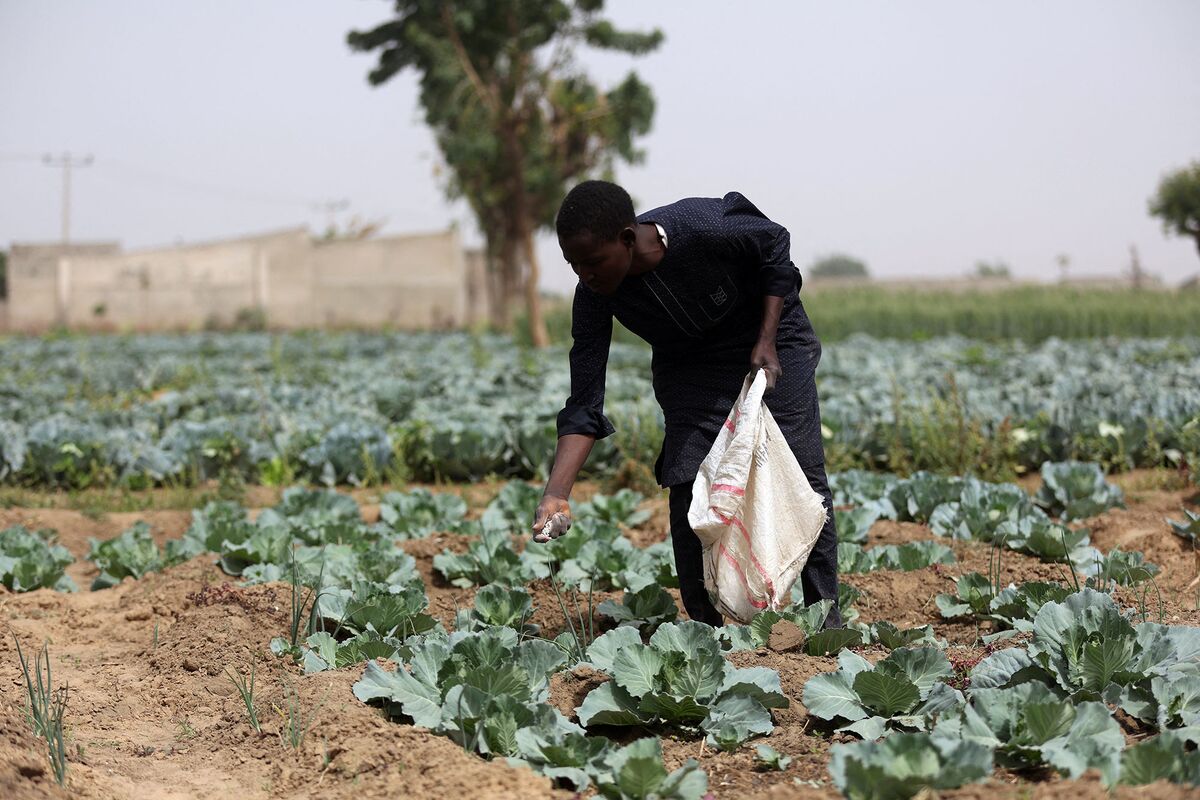
The war is worsening food security in poorer African countries, with Malawi facing an ominous planting season ahead. The article highlights second-highest fuel prices globally, scarce fertilizer, and impending food shortages that could pressure agricultural output and inflation across the region. The broader impact is negative for emerging markets and commodity-sensitive economies, with geopolitical spillovers extending far from the front lines.
This is a slow-burn shock, not a headline-driven one: the market impact is likely to show up first in input inflation and then in FX and sovereign risk across import-dependent African economies. The key second-order effect is that food stress tends to widen current-account deficits just as local currencies weaken, forcing central banks into a bad tradeoff between defending FX and supporting growth. That feedback loop usually matters more for asset prices than the original supply disruption because it compresses consumer real income, lifts non-performing loan risk, and crowds out fiscal space for subsidies.
The most exposed winners are upstream commodity and logistics proxies, but the cleaner trade is actually in the losers: domestic banks, consumer staples exposed to low-income demand, and sovereign debt of countries with thin reserves. The pressure is not uniform — markets with smaller food import dependency and better FX buffers should outperform on a relative basis, while landlocked importers with fuel-heavy transport chains are the highest-beta expression. Fertilizer scarcity also creates a lagged hit to next season’s yields, so the earnings/credit downdraft can extend 2-3 quarters beyond the initial price spike.
The catalyst path is asymmetric. In the next 2-6 weeks, the risk is panic buying and policy distortion; over 3-9 months, the real risk is a planting shortfall and rising fiscal subsidy bills; over 12+ months, the issue becomes social instability and weaker debt servicing capacity. Any de-escalation that normalizes trade routes, restores fertilizer flows, or brings donor-backed relief packages would reverse part of the move, but those fixes typically arrive after local pricing and credit spreads have already repriced.
The contrarian view is that some of the worst-case scenario may already be embedded in local assets, especially where valuations are distressed and foreign ownership is low. The bigger underappreciated risk may be not the food price itself but policy response risk: export bans, price caps, and subsidy programs can create artificial shortages and worsen margin pressure for listed distributors and banks. That means the trade should target second-order economic damage rather than attempt to front-run the commodity shock directly.
AI-powered research, real-time alerts, and portfolio analytics for institutional investors.
Request DemoOverall Sentiment
strongly negative
Sentiment Score
-0.72
