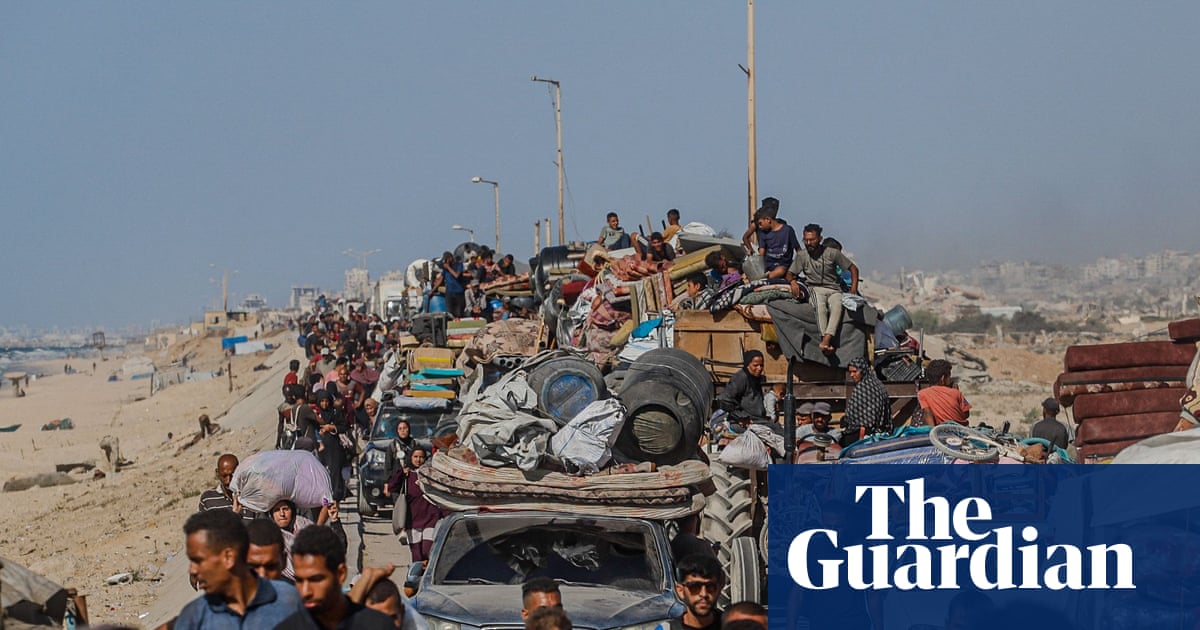
Israel's intensified ground offensive in Gaza City, following extensive air and artillery strikes, is causing widespread destruction and significant civilian displacement, with a UN report alleging genocide. Despite efforts to encourage evacuation, communication outages and residents' inability or reluctance to leave exacerbate the humanitarian crisis, while internal Israeli security officials express doubts about the offensive's strategic efficacy and the potential for Hamas to regroup, with some observers suggesting political motivations for the operation.
The intensified Israeli ground offensive in Gaza City, following 150 preliminary air and artillery strikes, signals a significant escalation with high-impact geopolitical and strategic implications. Despite the stated military objective of destroying Hamas, the operation's efficacy is being privately questioned by senior Israeli security officials, including the IDF chief of staff, who cite the human cost and low probability of success. Intelligence estimates suggesting that the 2,000-3,000 militants in the city represent only a 'small fraction' of surviving forces, combined with the absence of security checks on fleeing populations, indicate a high probability that Hamas will regroup elsewhere, undermining the long-term strategic goals. The situation is further complicated by a UN report accusing Israel of genocide and the revelation by Israeli observers that the offensive may be driven by domestic political motives—namely, prolonging the war to avert elections that could unseat the current government. This dynamic, coupled with a severe humanitarian crisis evidenced by a 65,000 death toll over two years and the bombing of designated 'humanitarian zones', creates a highly volatile environment with an extremely negative sentiment and a high market impact score of 0.8.
AI-powered research, real-time alerts, and portfolio analytics for institutional investors.
Overall Sentiment
extremely negative
Sentiment Score
-0.90
