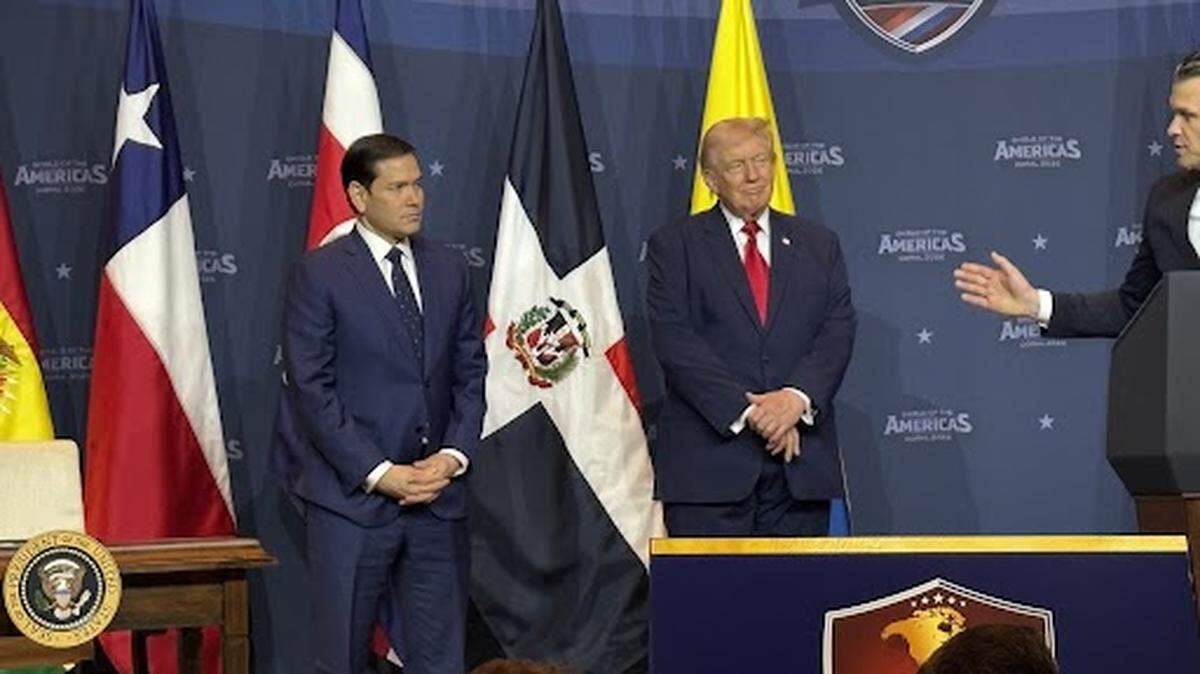
Trump signed an executive order that broadens U.S. sanctions on Cuba, authorizing blocking sanctions on foreign banks and companies operating in key sectors including energy, defense, mining and financial services. Foreign banks that facilitate transactions for the Cuban government or sanctioned parties could lose access to U.S. dollars, materially tightening Cuba’s external financing options. The order also expands authority to target entities that materially assist the Cuban government and even adult relatives of designated individuals.
This is less about Cuba-specific economics and more about the extraterritorial creep of U.S. sanctions into third-country banking balance sheets. The real transmission channel is correspondent banking: any institution with meaningful USD-clearing dependence now has to price a tail risk that a Cuba touchpoint can contaminate broader U.S. access, which should raise compliance costs and shrink the set of willing intermediaries long before formal designations expand.
The first-order losers are regional banks, trade financiers, and shipping/payment intermediaries with exposure to Latin America and the Caribbean, but the second-order impact is tighter liquidity for private-sector counterparties inside Cuba and in adjacent jurisdictions that use similar payment rails. Expect a substitution effect toward higher-fee, shorter-tenor, and more opaque payment structures, which tends to favor larger global banks with superior sanctions controls and hurt smaller banks that cannot absorb de-risking costs.
The market should view this as a warning shot on policy optionality rather than a Cuba GDP story: the administration is signaling that sanctions can widen quickly from sovereign targets to foreign enablers and even family networks, which increases the probability of incremental designations over the next 1-3 months. The main reversal catalyst would be a diplomatic concession package or explicit licensing carve-out, but absent that, the path of least resistance is tighter financial plumbing and more self-sanctioning by banks.
Contrarian angle: the move may be more effective as a signaling device than as an immediate economic squeeze. Because the Cuban system already operates under severe constraints, the incremental marginal pain is likely to show up first in offshore financing spreads, trade credit availability, and bank willingness rather than in headline macro data; that means the tradable impact is in financial intermediaries and EM risk appetite, not in Cuba-linked operating assets.
AI-powered research, real-time alerts, and portfolio analytics for institutional investors.
Request DemoOverall Sentiment
strongly negative
Sentiment Score
-0.55
