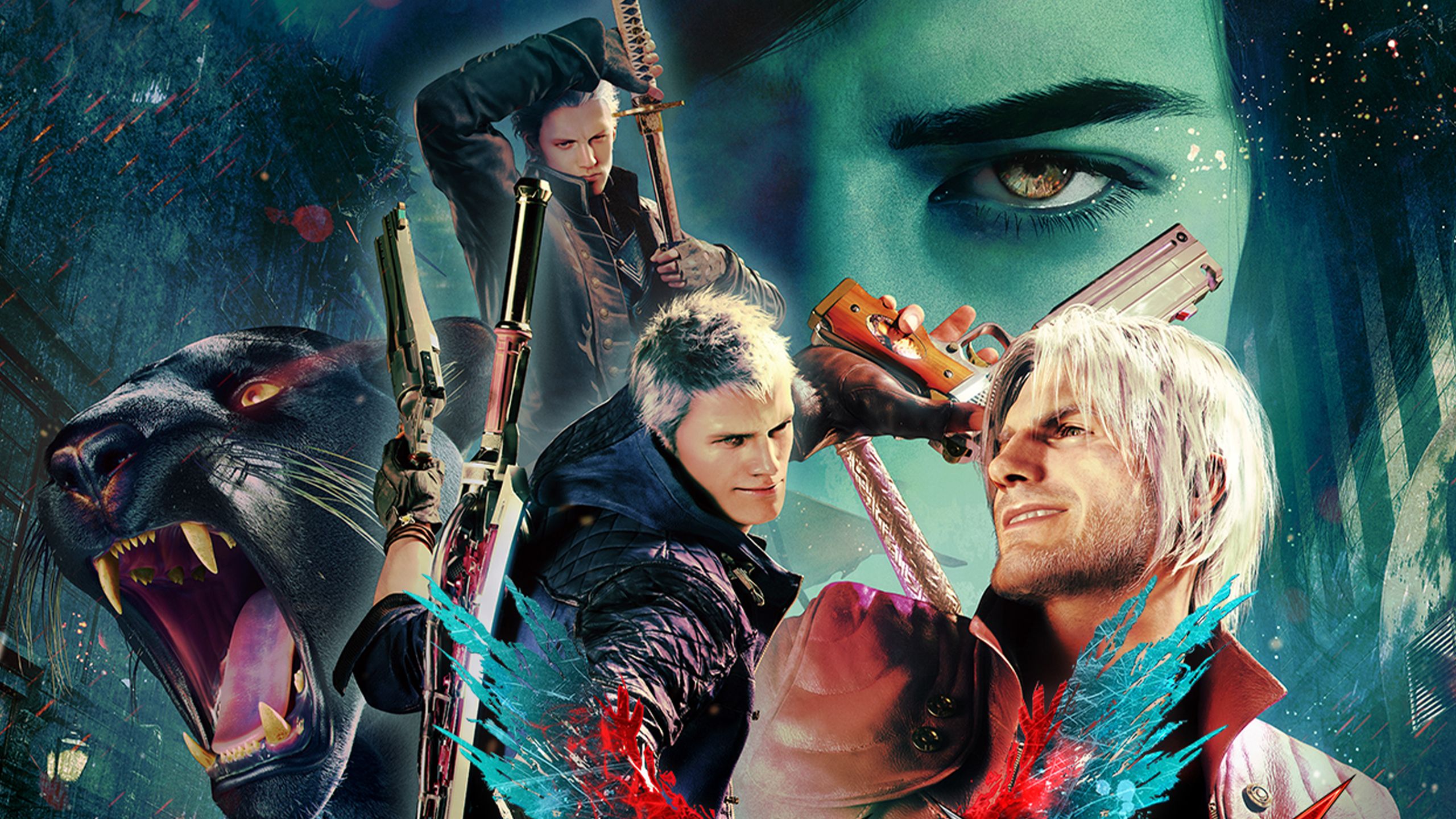
Devil May Cry 5: Devil Hunter Edition is praised as an excellent Switch 2 release, running at a smooth 60fps with strong handheld performance and the series' signature combat and boss design. The main drawback is the omission of PS5 modes like Turbo Mode and Legendary Dark Knight Mode, making it less definitive for existing owners. Overall, the review calls it one of the best action games available and a strong showcase for Capcom's RE Engine on Switch 2.
The market signal here is not about a game review; it’s about Capcom’s ability to convert a legacy title into a durable monetization event while still proving its engine stack scales to new hardware. That matters because it reinforces a portfolio-level thesis that Capcom’s content library has optionality beyond pure unit sales: every successful port widens the addressable install base, lifts attachment rates on DLC/definitive editions, and strengthens pricing power on future releases. In other words, this is a small but positive data point for recurring content monetization and low-risk software QA execution.
The second-order implication is competitive rather than category-specific: if Switch 2 continues to receive genuinely high-quality ports, the historical “portable is a watered-down version” discount becomes less defensible. That is bullish for publishers with strong engine portability and back catalogs, but negative for competitors whose pipelines depend on platform-specific optimization or whose content ages poorly in handheld use. It also raises the bar for Sony/Microsoft exclusivity narratives; if third-party AA/AAA games land well on Switch 2, incremental platform differentiation will need to come from first-party content, not just hardware capability.
The contrarian read is that the review’s enthusiasm may understate the install-base effect: missing modes are a niche complaint relative to the larger point that a fast, stable handheld port can stimulate double-dip behavior from lapsed owners. The key risk is time horizon—this is a sentiment tailwind that should show up in weeks via channel checks and digital attach, but it won’t move the business on a quarterly basis unless paired with broader Switch 2 software momentum. If the hardware base expands and Capcom repeats this with additional franchises, the multiple impact could persist for 6-12 months; if not, this fades into one-off nostalgia demand.
AI-powered research, real-time alerts, and portfolio analytics for institutional investors.
Request DemoOverall Sentiment
moderately positive
Sentiment Score
0.55
Ticker Sentiment
