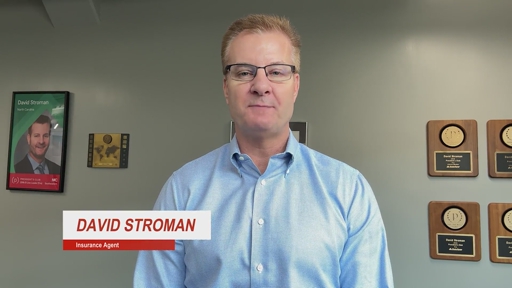
The article is educational, highlighting common homeowners insurance coverage gaps before a claim—especially around water damage (sudden vs. slow leaks), flood/earthquake exclusions, and mold tied to neglect. It also emphasizes liability, additional living expenses, documentation, and reviewing policy declarations and limits over time. No company financials or market-moving insurer policy changes are presented.
This reads more like low-beta financial literacy content than a tradable catalyst. The only plausible market mechanism is a modest, multi-quarter uptick in homeowners’ policy scrutiny, which can lift attach rates on endorsements, flood riders, scheduled personal property, and higher liability limits. That is more supportive for distribution platforms and agencies than for primary insurers, because the incremental premium is small, deferred, and mostly dependent on life events or renewal cycles rather than this article itself.
If there is any winner, it is the insurance brokerage layer and comparison-shopping stack: AJG, BRO, and potentially internet lead-gen or quote platforms can benefit if even a small fraction of first-time buyers re-shop coverage after being prompted to review exclusions. The loser set is more ambiguous; carriers with legacy homeowners books could see slightly higher loss-control questions and claim disputes, but there is no evidence of an adverse underwriting change. The second-order effect is behavioral, not financial: more policy awareness can raise persistency of add-on products, yet it can also nudge consumers toward higher deductibles and lower limits, muting premium growth.
Contrarian view: the market may be overestimating the monetization of consumer education content. Homeowners insurance buying is typically event-driven, and without a regulatory mandate, catastrophe event, or agent-led campaign, awareness seldom translates into near-term premium growth. Over 1-3 months, the thesis is uninvestable absent evidence of higher quote volume or endorsement take-up; over 6-18 months, the only meaningful catalyst would be a weather-loss cycle or rate reset that forces more policy shopping. The main falsifier is simply no change in broker conversion or homeowners renewal rates in the next reporting cycle.
AI-powered research, real-time alerts, and portfolio analytics for institutional investors.
Request DemoOverall Sentiment
neutral
Sentiment Score
0.05
Ticker Sentiment
